Many businesses invest heavily in marketing campaigns, website design, and customer acquisition strategies, only to lose potential buyers at the final stage of the purchasing process. One of the most common reasons for abandoned orders is slow delivery.
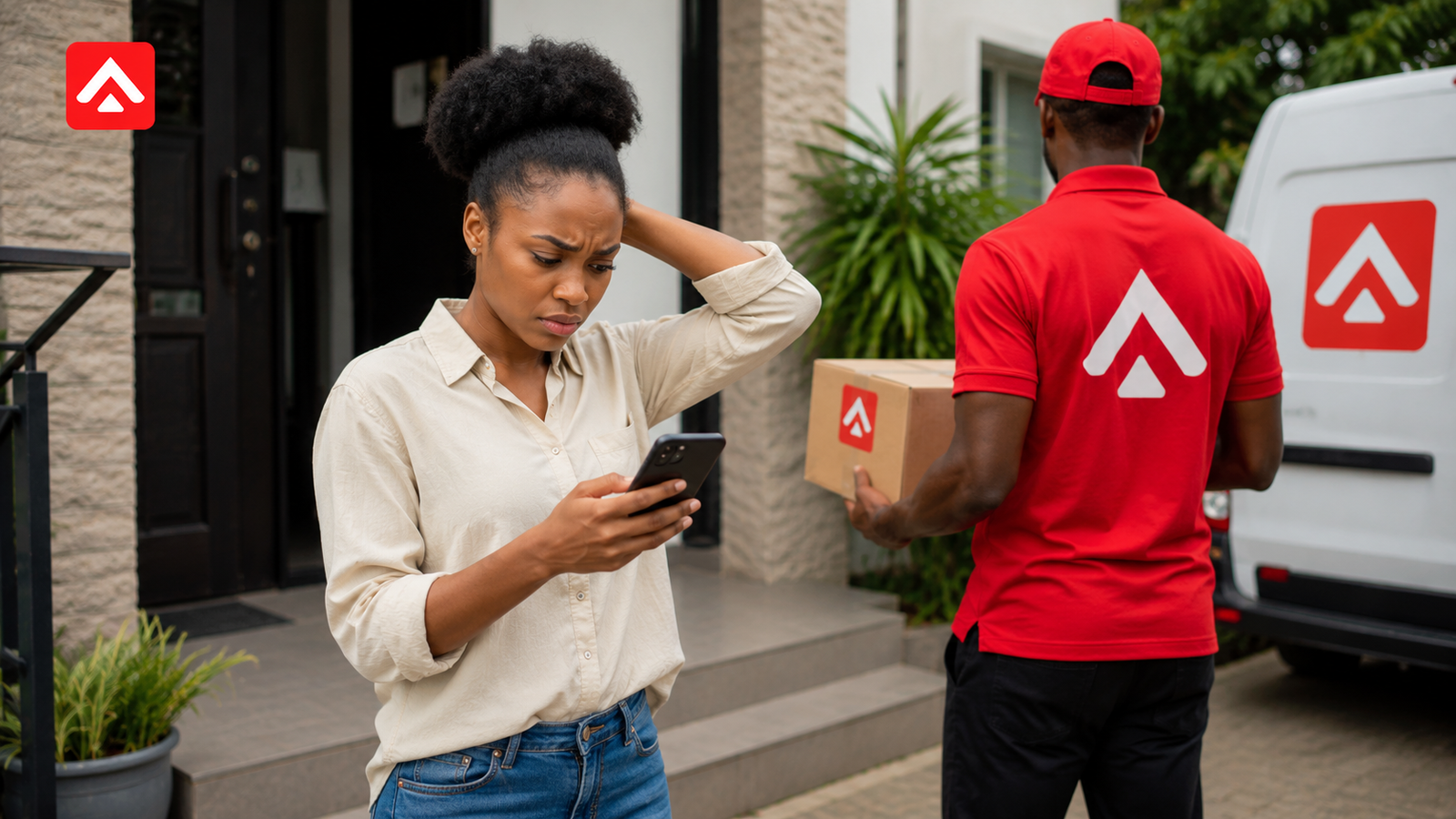
When customers believe an order will take too long to arrive, they often decide not to complete the purchase. Understanding why this happens can help businesses improve their delivery processes, increase conversion rates, strengthen customer trust, and boost overall customer satisfaction.
Services You May Like
The Modern Customer Expects Speed
Consumer expectations have changed dramatically over the last decade.
Major e-commerce platforms have conditioned customers to expect fast shipping, same-day delivery, next-day delivery, and real-time tracking updates. As a result, long delivery timelines now feel inconvenient and outdated to many shoppers.
When customers discover that a product may take several days or even weeks to arrive, they often begin searching for alternative sellers who can deliver the same item more quickly.
The reality is simple: delivery speed has become an essential part of the overall product experience.
Slow Delivery Creates Uncertainty
Customers value certainty and reliability.
When delivery timelines are vague, unclear, or excessively long, buyers begin to question whether the order will arrive on time—or arrive at all.
Questions quickly start forming in their minds:
1. Will my package be delayed?
2. Can I trust this business?
3. Is there a faster option available elsewhere?
4. What if I need the item urgently?
The longer the delivery window, the greater the uncertainty. Many customers prefer choosing a competitor that offers quicker, more transparent, and more predictable delivery services.
Impulse Purchases Depend on Quick Fulfillment
A significant percentage of online purchases are driven by impulse.
A customer sees a product, becomes excited about it, and decides to buy it immediately. However, that excitement can disappear just as quickly if they discover the item will take too long to arrive.
Fast delivery helps maintain purchasing momentum and reinforces the customer's decision to buy.
Slow delivery often gives customers additional time to reconsider their purchase, compare alternatives, read more reviews, or postpone the purchase altogether.
This is one of the key reasons why businesses offering faster delivery frequently achieve higher conversion rates and stronger sales performance.
Customers Have More Options Than Ever
Today's consumers are not limited to a single store or marketplace.
With countless online retailers and e-commerce platforms available, customers can easily find similar products from multiple sellers.
If two businesses offer the same item at comparable prices, delivery speed often becomes the deciding factor.
For many buyers, paying slightly more is acceptable if it means receiving their order sooner and with greater reliability.
Businesses that overlook delivery performance risk losing customers to competitors who prioritize speed, convenience, and customer experience.
Slow Delivery Reduces Customer Confidence
Trust plays a major role in every purchasing decision.
When a business advertises products but cannot deliver them within a reasonable timeframe, customers may begin to question the company's professionalism, efficiency, and reliability.
Slow delivery can create the impression that:
1. Operations are poorly organized
2. Inventory management is ineffective
3. Customer service may also be unreliable
Even if these assumptions are inaccurate, perception matters. Customers are far more likely to complete purchases when they feel confident about the entire buying experience from checkout to delivery.
Delivery Speed Impacts Special Occasions
Many purchases are time-sensitive and tied to important events.
Customers often order products for:
1. Birthdays
2. Weddings
3. Anniversaries
4. Business meetings
5. School events
6. Holiday celebrations
If delivery dates do not align with these occasions, customers may abandon their orders and search for faster alternatives.
For these buyers, delivery speed is not simply a convenience—it is an essential requirement.
Slow Delivery Can Increase Cart Abandonment Rates
Cart abandonment remains one of the biggest challenges facing online businesses.
Research consistently shows that unexpected delivery conditions contribute significantly to abandoned shopping carts.
Common triggers include:
1. Long delivery timelines
2. High shipping fees combined with slow delivery
3. Lack of clear delivery estimates
4. Limited delivery options
Customers who reach the checkout page only to discover lengthy delivery times often leave without completing the purchase, resulting in lost revenue and missed opportunities.
Faster Delivery Improves Customer Satisfaction
Customers remember positive experiences and are more likely to return when expectations are met or exceeded.
When orders arrive quickly and as promised, buyers are more likely to:
1. Leave positive reviews
2. Recommend the business to others
3. Make repeat purchases
4. Develop long-term loyalty
Fast and reliable delivery creates a competitive advantage that extends far beyond a single transaction.
Businesses that consistently meet delivery expectations often experience stronger customer retention, improved brand reputation, and higher lifetime customer value.
How Businesses Can Reduce Order Abandonment
Businesses looking to reduce abandoned orders should focus on improving delivery performance through several key strategies:
1. Partnering With Reliable Logistics Providers: A dependable delivery partner can help ensure orders arrive quickly, safely, and consistently.
2. Providing Accurate Delivery Estimates: Customers appreciate knowing exactly when to expect their packages and are more likely to complete purchases when delivery information is transparent.
3. Offering Multiple Delivery Options: Giving customers a choice between standard, express, and same-day delivery can improve conversions and accommodate different needs.
4. Using Real-Time Tracking: Tracking updates reduce uncertainty, improve communication, and increase customer confidence throughout the delivery process.
5. Improving Order Processing Speed: Even before a package leaves the warehouse, efficient order handling and fulfillment processes help shorten overall delivery times.
Final Thoughts
Slow delivery is no longer just a logistics issue—it is a sales and customer experience issue.
Customers expect convenience, transparency, reliability, and speed. When delivery timelines fail to meet these expectations, businesses risk losing sales before orders are even placed.
Companies that invest in faster, more reliable delivery services often benefit from higher conversion rates, lower cart abandonment, better customer reviews, stronger customer loyalty, and increased revenue.
In a marketplace where customers have endless choices and rising expectations, delivery speed can be the difference between winning a sale and losing it to a competitor.
Comments
No comments yet. Be the first to comment.