In a busy city like Lagos, where people are constantly moving between work, meetings, appointments, and personal commitments, it is not unusual for customers to become temporarily unavailable. While most deliveries are completed successfully, there are times when a rider cannot make contact with the recipient. When this happens, delivery companies follow specific procedures to protect both the parcel and the interests of the customer.
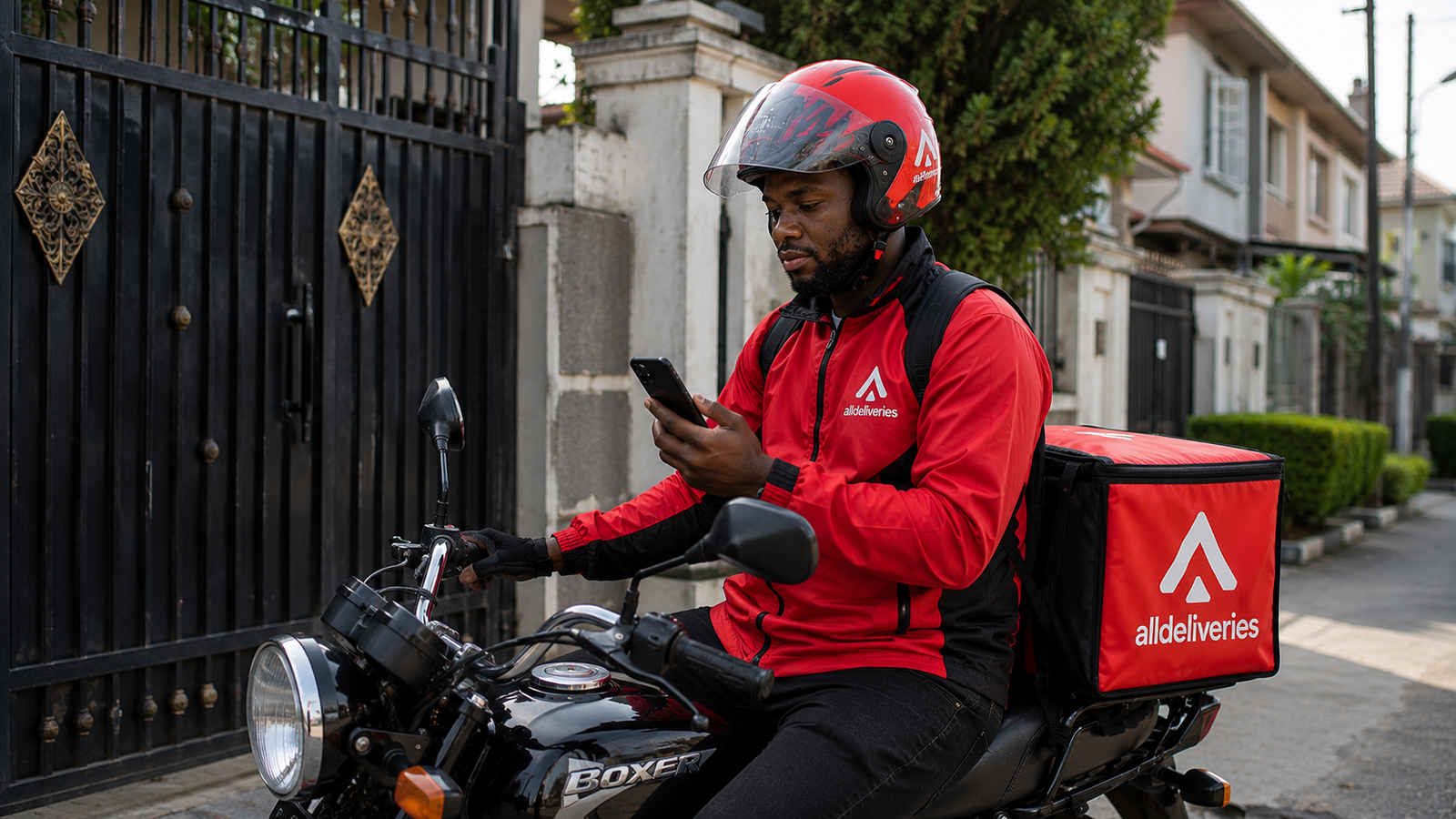
Understanding what happens when a delivery rider cannot reach the customer can help individuals and businesses avoid unnecessary delays and ensure smoother deliveries in the future.
Services You May Like
Why Riders Sometimes Cannot Reach Customers
There are several reasons why a delivery rider may struggle to contact a customer during a delivery.
1. The Customer Is Not Answering Calls
One of the most common reasons is that the customer simply does not answer their phone. They may be in a meeting, driving, sleeping, attending an event, or have their phone on silent mode.
Since riders often depend on phone communication to confirm exact locations and coordinate handovers, unanswered calls can slow down the delivery process significantly.
2. Incorrect Phone Number Was Provided
Sometimes customers accidentally provide the wrong phone number when placing an order. Even a single incorrect digit can prevent the rider from establishing contact.
This issue often results in delays, especially when the delivery address is incomplete or difficult to locate.
3. The Customer Is No Longer at the Delivery Location
There are situations where customers place orders and later move to a different location before the delivery arrives. If they fail to notify the delivery company, the rider may arrive only to discover that the recipient is no longer there.
4. Poor Network Coverage
Network problems can also affect communication. In some areas, weak mobile signals or temporary service disruptions may prevent riders and customers from connecting even when both parties are trying to communicate.
What Delivery Riders Usually Do First
Professional dispatch riders do not immediately abandon a delivery when they cannot reach a customer. Most delivery companies have procedures designed to resolve the situation before declaring the delivery unsuccessful.
1. Multiple Call Attempts
The rider will usually make several attempts to call the customer. This gives the recipient enough time to notice missed calls and respond.
Many customers eventually return the call after realizing they have missed it.
2. Sending a Text Message
If phone calls are unsuccessful, the rider may send a text message or WhatsApp message explaining that they have arrived at the delivery location.
This often helps customers who may not be able to answer calls immediately.
3. Waiting at the Location
Most riders wait for a reasonable period before leaving the area. This waiting time allows customers to respond to calls, return messages, or arrive at the location if they are nearby.
What Happens If the Customer Still Cannot Be Reached?
When all reasonable attempts to establish communication fail, the delivery company usually proceeds according to its delivery policy.
1. The Delivery Is Marked as Unsuccessful
The rider records that a delivery attempt was made but the customer could not be reached. This creates an official record showing that the parcel was transported to the destination and that contact attempts were made.
2. The Parcel Is Returned
In many cases, the package is returned to the sender, warehouse, office, or dispatch hub rather than being left unattended.
This protects the parcel from theft, damage, or delivery to the wrong person.
3. A Re-Delivery May Be Arranged
Once the customer becomes available, the delivery company may schedule another delivery attempt.
The customer may be asked to confirm their availability and verify their delivery details before the parcel is dispatched again.
4. Additional Charges May Apply
Some logistics companies charge additional fees for re-delivery, especially when the failed delivery was caused by customer unavailability or incorrect information.
This is because the company has already incurred transportation and operational costs during the initial delivery attempt.
How Businesses Handle These Situations
Businesses that regularly ship products understand that failed deliveries can affect customer satisfaction and profitability.
1. Pre-Delivery Confirmation
Many businesses contact customers before dispatching orders to confirm addresses, phone numbers, and availability.
This simple step helps reduce communication-related delivery failures.
2. Delivery Notifications
Automated notifications keep customers informed throughout the delivery process.
When customers know their package is on the way, they are more likely to remain available.
3. Real-Time Tracking
Modern tracking systems allow customers to monitor deliveries and estimate arrival times more accurately.
This improves coordination between customers and riders.
4. Address Verification
Many businesses verify delivery addresses before shipping, particularly for expensive or time-sensitive items.
This reduces confusion and improves delivery success rates.
How Customers Can Avoid Missed Deliveries
Customers can take a few simple steps to help ensure successful deliveries.
1. Double-Check Contact Information
Always verify your phone number before submitting an order. A small mistake can create significant delivery delays.
2. Provide Clear Address Details
Including landmarks, estate names, building numbers, and other location details helps riders find your destination quickly.
3. Keep Your Phone Nearby
If you are expecting a delivery, try to keep your phone charged and accessible throughout the delivery window.
4. Communicate Any Changes Early
If your schedule changes or you move to another location, notify the delivery company immediately.
This allows the rider to adjust plans before arriving.
Final Thoughts
When a delivery rider cannot reach a customer, it does not necessarily mean the parcel is lost or the delivery has failed permanently. Professional logistics companies follow a structured process that includes multiple contact attempts, waiting periods, customer support intervention, and possible re-delivery arrangements.
However, communication challenges can still cause delays, increase delivery costs, and create frustration for both customers and businesses. By providing accurate information, staying available during delivery periods, and responding promptly to delivery notifications, customers can significantly improve the chances of a successful delivery.
In Lagos, where same-day and urgent deliveries are becoming increasingly common, good communication remains one of the most important factors in ensuring reliable and efficient delivery services.
Comments
No comments yet. Be the first to comment.