A customer places an order, pays without hesitation and expects a smooth delivery. Then the business makes one small mistake: the address is not confirmed, the package is not ready, the rider arrives late or nobody updates the customer.
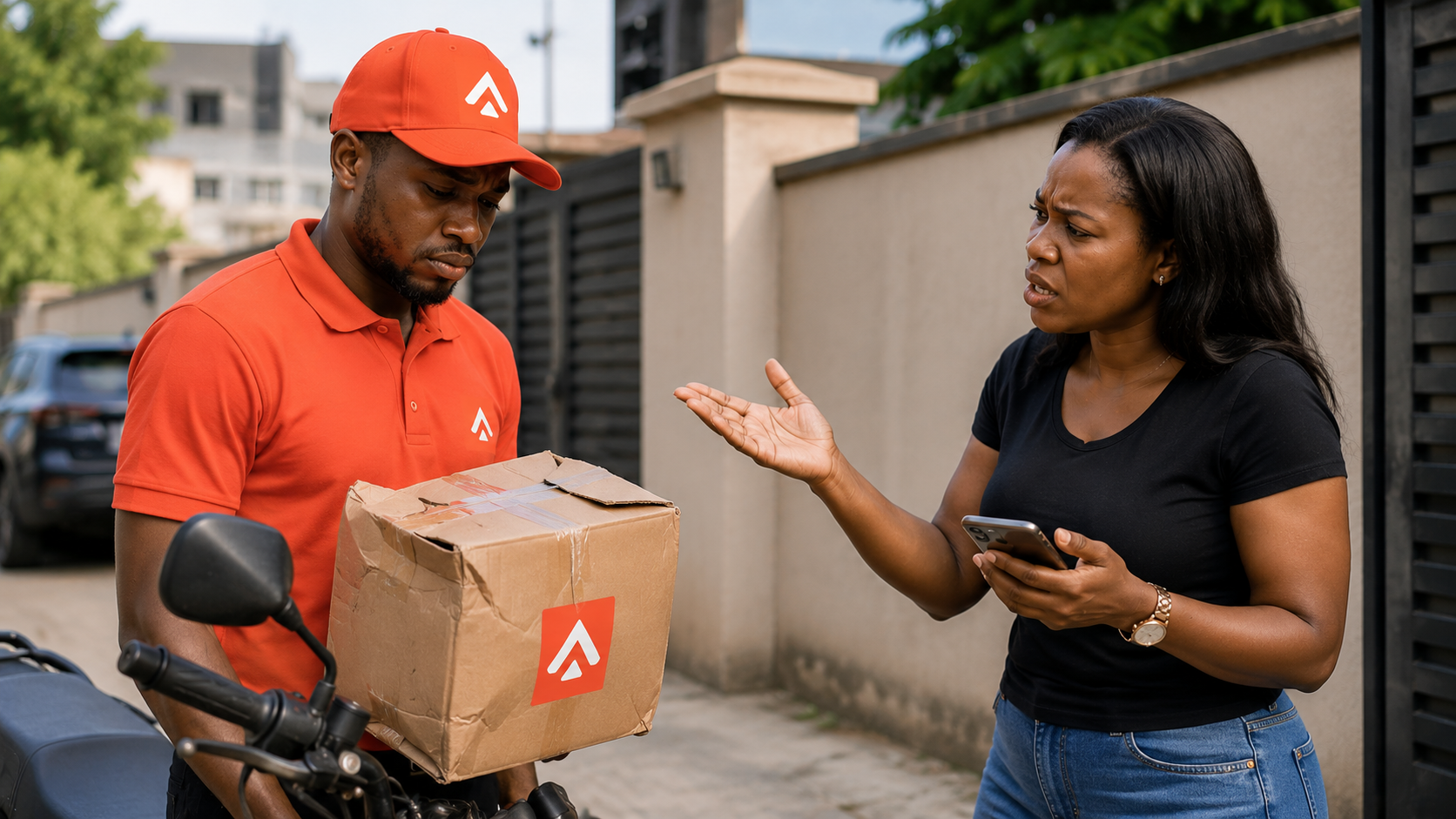
That single mistake may look minor, but it can cost more than the delivery fee. It can lead to complaints, rejected orders, negative reviews and the loss of a customer who might have bought again.
Many Nigerian businesses focus heavily on making sales but pay less attention to what happens after payment. Yet delivery is often the final impression a customer has of the business. Here are seven common mistakes that may be quietly pushing customers away.
Services You May Like
1. Booking a Rider Before the Order Is Ready
Some businesses request a rider while the item is still being packed, payment is still being confirmed or the product is not yet available.
This wastes time and may cause the rider to cancel or charge extra for waiting. It also delays every other delivery scheduled for that day.
Before booking, confirm the product, seal the package and prepare the customer’s details. Once everything is ready, you can book a delivery through AllDeliveries without keeping the rider waiting.
2. Sending Incomplete Customer Information
A street name alone is not always enough.
The rider may need the customer’s full address, active phone number, nearest landmark, preferred delivery time and alternative contact. Missing details can lead to repeated calls, wasted fuel and failed delivery attempts.
Always send the address back to the customer for confirmation before dispatching the package.
3. Using Weak or Unsuitable Packaging
A product may leave your shop in perfect condition and still arrive damaged because the packaging was too weak.
Clothing may require a waterproof delivery bag, while glassware, liquids and electronics need stronger protection. If the package can move freely inside the carton, it may be damaged during transportation.
Businesses handling delicate items should follow these practical tips on how to package fragile items for safe delivery in Nigeria.
4. Promising Unrealistic Delivery Times
Customers appreciate fast delivery, but they value honesty even more.
Promising delivery in one hour when the package is not ready or the destination is far away creates unnecessary pressure. Traffic, weather, rider availability and distance can all affect the timeline.
Give customers a realistic delivery window. When delays occur, explain them early instead of waiting for the customer to complain.
Learn more about how delivery delays affect customer trust and business reputation.
5. Failing to Explain Delivery Charges
Unexpected charges can quickly destroy trust.
The customer should know the delivery fee before the order is dispatched. If there may be extra charges for distance, waiting time, redelivery or a change of address, explain them clearly.
A customer who feels surprised at the point of delivery may reject the order, even when the product is exactly what they wanted.
6. Keeping Customers in the Dark
Silence makes every delay feel worse.
Customers want to know when the order is confirmed, when it has been dispatched and when they should expect delivery. A short update can prevent repeated calls and reduce anxiety.
Strong communication is one of the easiest ways to improve the customer experience. Read how to increase customer satisfaction with fast and reliable delivery for more practical ideas.
7. Choosing a Delivery Provider Based Only on Price
The cheapest option may become expensive when packages are delayed, damaged or repeatedly returned.
Before choosing a provider, consider reliability, coverage, communication, rider professionalism, customer support and package handling. The delivery person represents your business during the final stage of the sale.
Our guide on how to choose the right delivery service for your business explains what to check before making a decision.
Stop Letting Delivery Mistakes Reduce Your Sales
Customers remember businesses that make buying easy. They also remember businesses that waste their time.
Prepare orders early, confirm every detail, use proper packaging and keep customers informed. These simple habits can reduce failed deliveries and help turn first-time buyers into repeat customers.
You can download the AllDeliveries mobile app to access delivery services more conveniently. For more practical guides on logistics and business growth, visit the AllDeliveries Blog.
Frequently Asked Questions
What causes most failed deliveries?
Common causes include incorrect addresses, unavailable customers, poor communication and unexpected delivery charges.
Should an order be packaged before booking a rider?
Yes. The order should be sealed, labelled and ready for immediate pickup.
How can businesses reduce delivery complaints?
Give realistic timelines, provide regular updates and work with a reliable delivery provider.
Who should pay for redelivery?
This depends on the business policy and the reason the first attempt failed. The terms should be explained before dispatch.
Can poor delivery affect repeat sales?
Yes. Customers may stop buying when delivery is late, stressful, expensive or poorly handled.
Comments
No comments yet. Be the first to comment.