In today's competitive market, customers expect their orders to arrive on time and without complications. When deliveries fail, businesses not only incur additional operational expenses but also risk damaging their reputation.
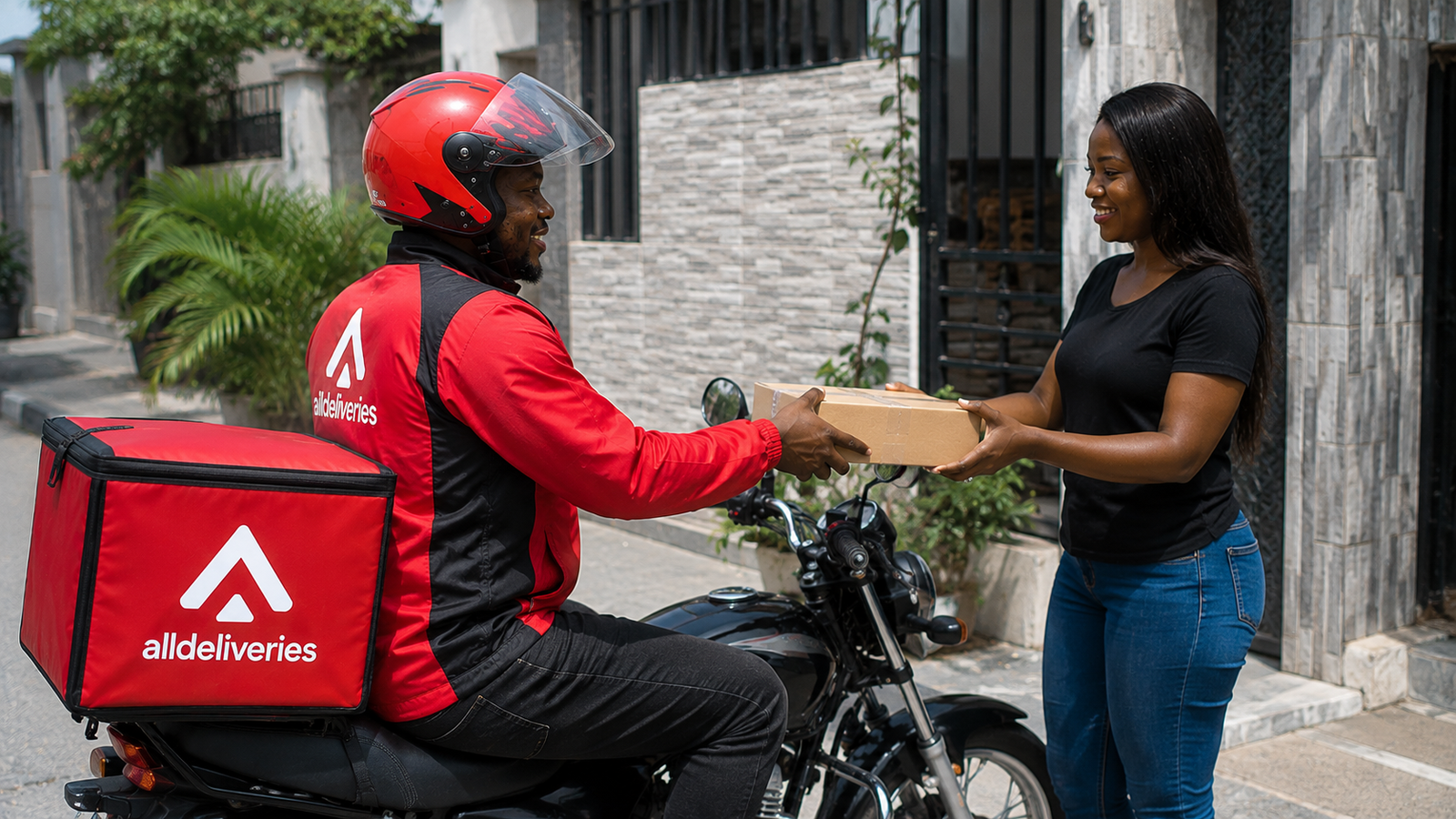
The good news is that most failed deliveries can be prevented with the right systems, communication practices, and logistics strategies. Here's how businesses can significantly reduce failed deliveries and improve overall customer satisfaction.
Services You May Like
What Is a Failed Delivery?
A failed delivery occurs when a package cannot be successfully delivered to the intended recipient during the scheduled delivery attempt.
Common reasons include:
1. Incorrect delivery addresses
2. Unreachable customers
3. Customer absence at the delivery location
4. Incomplete contact information
5. Delivery restrictions at certain locations
6. Refusal to accept the package
7. Payment issues for cash-on-delivery orders
Each failed delivery increases operational costs and often requires additional delivery attempts.
Why Reducing Failed Deliveries Matters
Failed deliveries affect more than just logistics.
They can lead to:
1. Increased delivery costs
2. Lower profit margins
3. Customer complaints
4. Negative reviews
5. Delayed order fulfillment
6. Higher workload for customer support teams
7. Reduced customer trust
Businesses that maintain high delivery success rates often enjoy stronger customer loyalty and better long-term growth.
Verify Customer Information Before Dispatch
One of the most common causes of failed deliveries is incorrect customer information.
Before dispatching an order, verify:
1. Customer name
2. Phone number
3. Delivery address
4. Landmark information
5. Preferred delivery time
A simple verification process can eliminate many delivery problems before they occur.
Contact Customers Before Delivery
Proactive communication significantly improves delivery success rates.
Before sending a dispatch rider, businesses should:
1. Confirm the customer's availability
2. Verify delivery instructions
3. Confirm the exact location
4. Notify customers about expected delivery times
Customers who know when to expect a delivery are more likely to be available when the rider arrives.
Request Accurate Location Details
In many cities, particularly large urban areas, address descriptions can sometimes be incomplete.
Encourage customers to provide:
1. Street names
2. House or building numbers
3. Nearby landmarks
4. Estate names
5. GPS location pins where possible
Detailed location information helps riders reach destinations faster and reduces unsuccessful delivery attempts.
Use Reliable Dispatch Services
Your logistics partner plays a critical role in delivery success.
Professional dispatch companies typically provide:
1. Experienced riders
2. Route optimization
3. Real-time communication
4. Faster response times
5. Better customer service
Working with a reliable courier service can dramatically reduce delivery-related issues.
Send Delivery Notifications
Keeping customers informed improves the likelihood of successful deliveries.
Businesses should provide updates such as:
1. Order confirmation
2. Dispatch notification
3. Estimated arrival time
4. Delivery completion confirmation
These updates help customers prepare to receive their orders.
Offer Flexible Delivery Scheduling
Not all customers are available at the same time.
Providing flexible delivery options allows customers to select:
1. Morning delivery
2. Afternoon delivery
3. Evening delivery
4. Same-day delivery
5. Next-day delivery
Matching delivery schedules to customer availability reduces failed delivery rates.
Improve Packaging and Labeling
Clear package labeling helps eliminate confusion during delivery.
Ensure every package contains:
1. Recipient name
2. Contact number
3. Delivery address
4. Order reference number
Proper labeling minimizes errors and improves delivery efficiency.
Train Customer Support Teams
Customer support staff can play an important role in preventing delivery failures.
Teams should be trained to:
1. Verify customer details
2. Confirm addresses
3. Communicate delivery expectations
4. Resolve customer concerns quickly
Effective customer service often prevents logistics issues before they occur.
Reduce Cash-on-Delivery Challenges
Cash-on-delivery orders sometimes result in failed deliveries when customers are unable or unwilling to make payment upon arrival.
To minimize this risk:
1. Encourage online payments
2. Confirm payment readiness beforehand
3. Send payment reminders
4. Offer multiple payment methods
Prepaid orders generally experience higher delivery success rates.
Utilize Real-Time Tracking
Modern delivery tracking systems provide visibility throughout the delivery process.
Benefits include:
1. Better communication
2. Faster issue resolution
3. Improved customer confidence
4. Reduced delivery disputes
Customers appreciate knowing exactly where their orders are and when they will arrive.
Analyze Failed Delivery Patterns
Businesses should regularly review failed delivery data to identify recurring issues.
Questions to consider include:
1. Which locations experience the highest failure rates?
2. Are certain delivery times problematic?
3. Do specific products have higher failure rates?
4. Are customer contact details frequently inaccurate?
Data-driven decisions help businesses improve their delivery processes over time.
Create a Clear Delivery Policy
A well-defined delivery policy sets expectations for customers and delivery teams.
Your policy should address:
1. Delivery timelines
2. Customer responsibilities
3. Re-delivery procedures
4. Contact requirements
5. Payment expectations
Clear policies reduce misunderstandings and improve delivery outcomes.
Build Strong Relationships with Customers
Customers who trust your business are more likely to cooperate during the delivery process.
Good communication, transparency, and excellent service help create stronger relationships and encourage successful deliveries.
When customers know they can rely on your business, they are more likely to provide accurate information and remain available during delivery windows.
Final Thoughts
Reducing failed deliveries is not just about logistics—it is about improving the entire customer experience. By verifying customer information, maintaining clear communication, using reliable dispatch services, offering flexible delivery options, and leveraging technology, businesses can significantly increase delivery success rates.
Every successful delivery strengthens customer trust, improves operational efficiency, and contributes to business growth. In today's competitive marketplace, businesses that consistently deliver orders accurately and on time gain a valuable advantage over their competitors.
Investing in better delivery processes today can lead to happier customers, lower operational costs, and stronger long-term business performance.
Comments
No comments yet. Be the first to comment.