Logistics and delivery are closely connected, but they do not mean exactly the same thing. Both are important when moving goods from one location to another, but they cover different parts of the process.
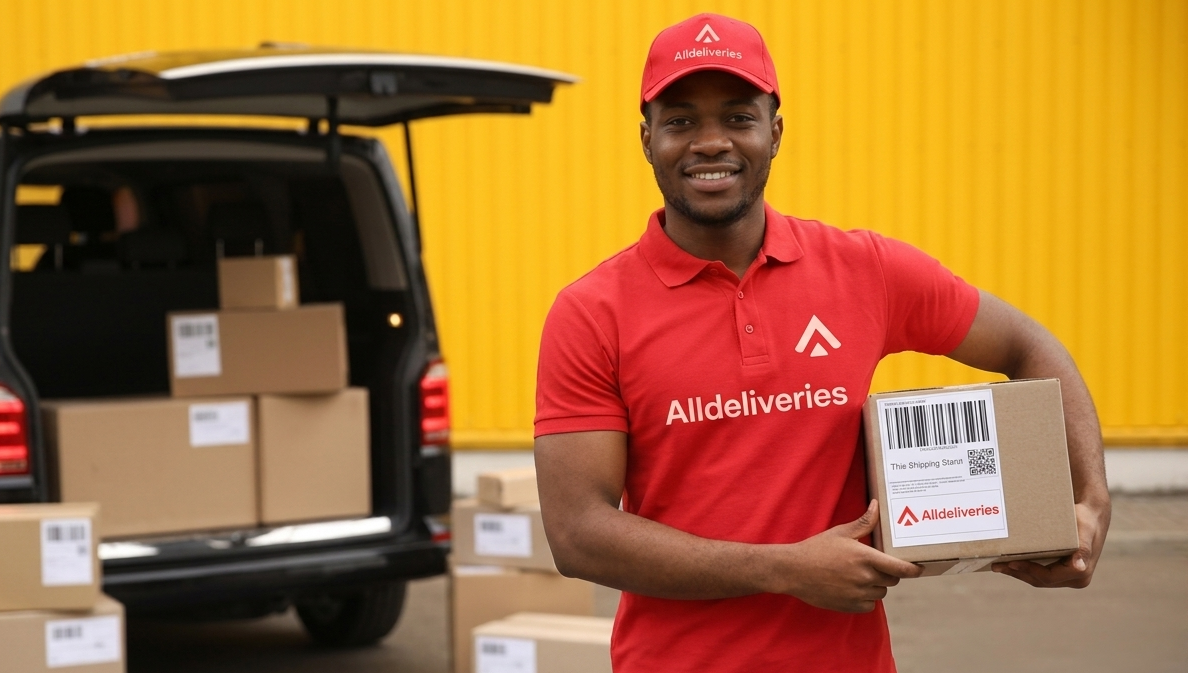
Delivery generally refers to the movement of a package or order to its final recipient. Logistics, on the other hand, involves the broader planning, coordination, storage, transportation, and management required to move goods efficiently from one point to another.
For Nigerian businesses and customers, understanding the difference can make it easier to choose suitable services and understand how products move through the supply chain.
Services You May Like
Knowing how logistics and delivery work together can also help businesses identify where delays, additional costs, or other problems may occur.
1. What Is Logistics?
Logistics is the process of planning, coordinating, and managing the movement and storage of goods.
It can involve several activities, including:
- Transportation planning.
- Warehousing and storage.
- Inventory management.
- Order processing.
- Packaging.
- Shipment coordination.
- Tracking goods.
- Managing the movement of products between different locations.
Logistics can therefore cover much more than simply taking a package to a customer.
2. What Is Delivery?
Delivery is the process of transporting a package, product, document, or other item to its intended recipient or destination.
For example, when a customer orders a product online, delivery may involve a courier collecting the package from the business and transporting it to the customer's home, office, or another agreed location.
Delivery is often considered one part of the wider logistics process.
3. Logistics Covers a Wider Process
The main difference between logistics and delivery is the scope of each term.
Logistics can cover the entire process of managing the movement and storage of goods, while delivery usually focuses on getting an item to its final destination.
For example, a business may receive products from a supplier, store them in a warehouse, process customer orders, prepare packages, arrange transportation, and eventually send them to customers.
All these activities can form part of logistics, while the final movement to the customer is the delivery stage.
4. Delivery Is Part of Logistics
Delivery can be viewed as one component of logistics.
A logistics operation may include several stages before a package reaches the customer.
These stages may include:
- Receiving goods.
- Storing products.
- Processing orders.
- Picking and packing items.
- Arranging transportation.
- Moving goods between facilities.
- Delivering orders to customers.
This means a business can have a logistics system that includes delivery as one of its activities.
5. Logistics Can Involve Warehousing
Warehousing is an important part of many logistics operations.
Products may need to be stored before they are sold or transported to another location.
A business may use a warehouse to organise inventory, prepare customer orders, and manage the movement of products.
Delivery usually begins after the product has been prepared for transportation to its intended destination.
6. Delivery Focuses on the Final Destination
Delivery is generally more focused on the destination and recipient.
The courier may need to determine the best way to reach the customer, confirm the address, contact the recipient, and hand over the package successfully.
This stage is particularly important because it directly affects the customer's experience with the business.
7. Logistics Involves Planning and Coordination
Logistics requires planning to ensure that goods move efficiently.
A business may need to determine:
- Where products should be stored.
- How much stock is available.
- When goods should be transported.
- Which transportation method is suitable.
- How orders should be processed.
- Which delivery arrangements are required.
- How shipments will be tracked.
Good planning can help reduce unnecessary delays and transportation costs.
8. Delivery Can Be Local or Nationwide
Delivery services can operate within a small area or across multiple locations.
For example, a business in Lagos may deliver orders to customers within the city, while another business may arrange deliveries to customers in Abuja, Port Harcourt, Ibadan, Kano, and other parts of Nigeria.
The delivery method may vary depending on the distance, destination, package type, and service selected.
9. Logistics Can Involve Multiple Locations
Logistics may involve moving goods through several locations before they reach the final customer.
A product could move from a supplier to a warehouse, from the warehouse to a distribution centre, and then to the customer.
This means logistics can involve a network of transportation and storage activities rather than a single journey.
10. Delivery Usually Happens After an Order Is Ready
In many businesses, delivery begins after an order has been processed and prepared.
The product may first need to be picked from inventory, checked, packaged, and labelled before it is handed over to a courier.
Once the package is ready, the delivery process can begin.
11. Logistics Helps Businesses Manage Inventory
Inventory management is closely connected to logistics.
Businesses need to know what products they have, where those products are stored, and when additional stock may be required.
Good inventory management can help prevent situations where customers place orders for products that are unavailable.
Delivery alone does not manage inventory, although it depends on accurate inventory and order information.
12. Logistics Can Include Reverse Movement
Logistics does not only involve moving products towards customers.
It can also involve the movement of goods back to a business or another location.
This may happen when:
- A customer returns a product.
- An order cannot be delivered.
- A damaged item needs to be returned.
- A product needs to be replaced.
- Unsold stock is moved between locations.
This part of logistics is sometimes referred to as reverse logistics.
13. Delivery Directly Affects Customer Experience
Although delivery is only one part of logistics, it has a major effect on how customers experience a business.
Customers generally care about whether their orders arrive:
- At the correct address.
- Within the expected delivery period.
- In good condition.
- With the correct items.
- With clear communication throughout the process.
A business may have an effective logistics system, but poor delivery execution can still result in customer dissatisfaction.
14. Logistics Is Important for Business Efficiency
An effective logistics system can help businesses manage their resources more efficiently.
Good logistics planning can reduce unnecessary transportation, improve inventory management, minimise delays, and help businesses coordinate different stages of the supply chain.
This is especially important for businesses that handle large numbers of orders or operate across multiple locations.
15. Delivery Is More Customer-Facing
Delivery is usually the part of the process that customers interact with most directly.
A customer may communicate with a courier about the delivery address, expected arrival time, or availability to receive the package.
As a result, delivery quality can have a direct impact on customer satisfaction and the reputation of a business.
16. Logistics and Delivery Work Together
Although logistics and delivery are different, they are closely connected.
A business needs effective logistics planning to ensure that products are available, prepared, transported, and eventually delivered.
At the same time, reliable delivery helps complete the logistics process by getting products to their intended destinations.
Both therefore contribute to the successful movement of goods.
Key Differences Between Logistics and Delivery
The main differences include:
- Logistics covers a broader range of activities, while delivery focuses mainly on transporting goods to their destination.
- Logistics can involve storage, inventory, transportation, order processing, and coordination.
- Delivery generally focuses on the final movement of a package to the recipient.
- Logistics may involve several stages and locations.
- Delivery is usually more directly connected to the customer's experience.
- Delivery can be one part of a larger logistics operation.
Understanding these differences can help businesses and customers know what to expect from each service.
Benefits of Understanding Logistics and Delivery
Better Business Planning
Understanding logistics helps businesses plan how products will be stored, transported, and delivered to customers.
More Efficient Deliveries
Good logistics planning can help businesses organise orders and transportation more effectively, which can support smoother deliveries.
Better Cost Management
Efficient logistics can help businesses identify unnecessary transportation, storage, and handling costs.
Improved Customer Experience
Reliable delivery can help customers receive their orders within the expected period and in good condition.
Easier Problem Solving
Understanding the different stages of the process can help businesses identify whether a problem occurred during storage, transportation, order processing, or final delivery.
Final Thoughts
Logistics and delivery are closely related, but they serve different purposes. Logistics covers the wider process of planning and managing the movement and storage of goods, while delivery generally focuses on transporting an item to its final recipient or destination.
For Nigerian businesses, understanding this difference can make it easier to manage orders, transportation, inventory, and customer expectations.
A business may rely on several logistics activities before an order reaches the customer, while delivery represents one of the final and most visible stages of that process.
When logistics and delivery are properly coordinated, businesses can move goods more efficiently, reduce avoidable problems, and provide customers with a more reliable experience.
Comments
No comments yet. Be the first to comment.