Last-mile delivery is the final stage of the delivery process, when a package moves from a local distribution point, warehouse, or delivery facility to the customer's location.
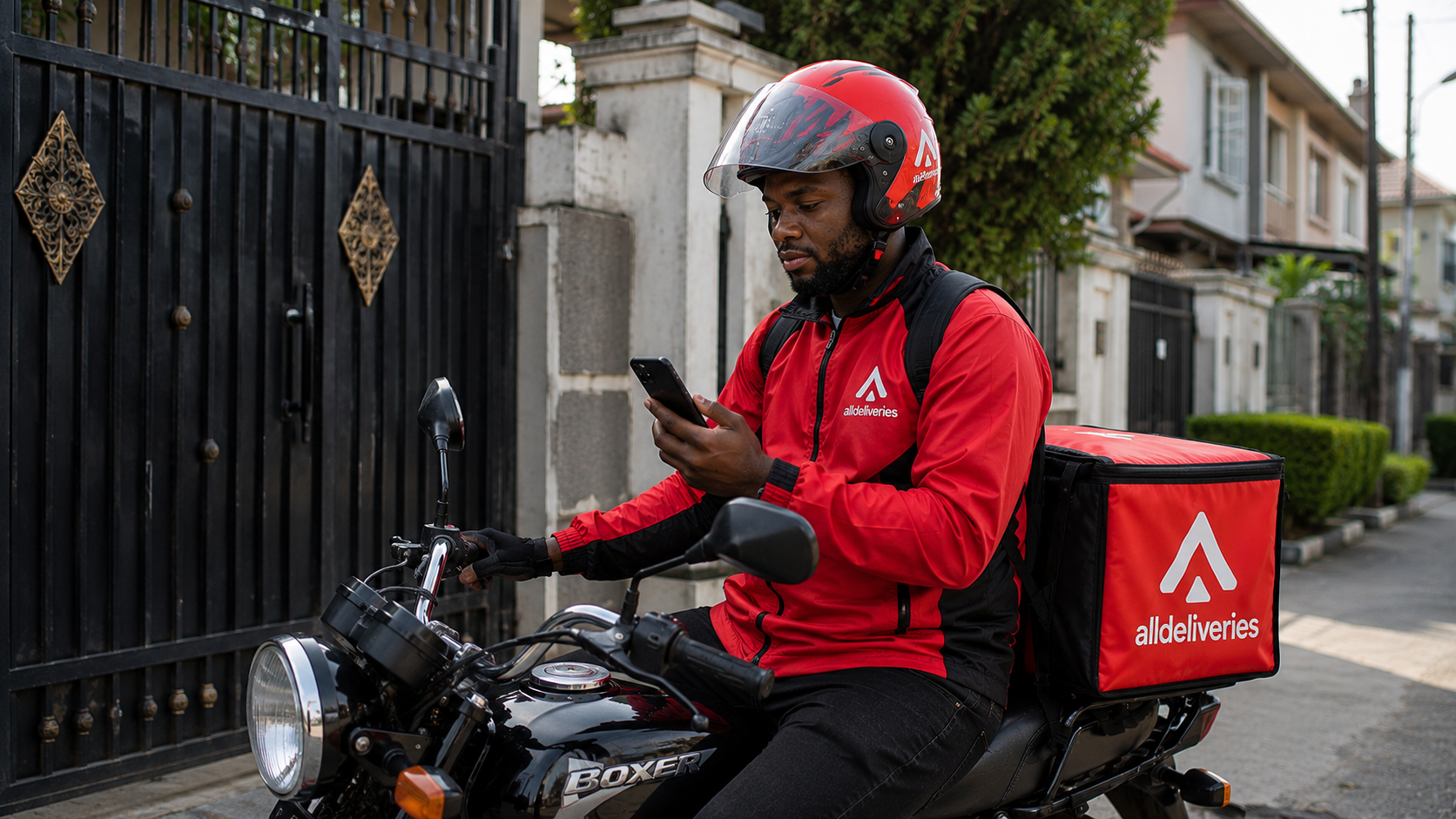
Although it is called "last-mile" delivery, the distance does not have to be exactly one mile. The term refers to the final part of a shipment's journey before it reaches the recipient.
For individuals, last-mile delivery is the part of the process that brings a package to their home, office, business, or another agreed location.
Services You May Like
For online businesses, last-mile delivery is particularly important because it is often the stage where customers directly experience the quality of the delivery service.
But what exactly happens during last-mile delivery?
Understanding how this stage works can help customers and businesses understand why delivery times can vary, what challenges couriers face, and how better last-mile operations can improve the overall delivery experience.
What Is Last-Mile Delivery?
Last-mile delivery refers to the final transportation stage between a local distribution point and the recipient's delivery location.
For example, a package ordered from an online store may go through several stages:
Online order → Package preparation → Pickup → Sorting → Transportation → Local delivery facility → Last-mile delivery → Customer
The last-mile stage begins when the package is ready to be delivered to its final destination.
It may involve:
- Home delivery
- Office delivery
- Business delivery
- Same-day delivery
- Next-day delivery
- Scheduled delivery
- Pickup-point delivery
The exact process depends on the courier and the delivery route.
1. The Package Reaches a Local Delivery Facility
Before last-mile delivery begins, the package usually needs to reach a location close to the recipient.
This could be:
- A local warehouse
- Distribution centre
- Sorting facility
- Courier branch
- Other designated delivery point
At this stage, shipments are organized according to their destinations and delivery routes.
2. Packages Are Sorted by Delivery Area
A courier may receive many packages that need to be delivered to different parts of a city.
The shipments can be sorted based on:
- Neighbourhood
- Delivery route
- Destination
- Delivery priority
- Service type
- Package characteristics
Effective sorting helps couriers organize their daily routes and reduce unnecessary travel.
3. A Courier Is Assigned to the Route
Once packages are ready for final delivery, a rider or driver may be assigned to a particular route.
The courier may receive information about:
- Recipient name
- Delivery address
- Phone number
- Package details
- Delivery instructions
- Required delivery timeframe
The courier then prepares to begin the final stage of the journey.
4. Route Planning Takes Place
Route planning is an important part of last-mile delivery.
The courier may need to determine the most practical sequence for multiple deliveries.
Factors can include:
- Distance
- Traffic
- Road conditions
- Number of deliveries
- Delivery deadlines
- Road closures
- Weather conditions
- Recipient locations
In busy Nigerian cities, effective route planning can be particularly important because traffic congestion can significantly affect travel time.
5. The Courier Starts the Final Delivery Journey
The courier leaves the delivery facility and begins travelling toward the recipients.
Depending on the package and location, last-mile delivery may be completed using:
- Motorcycles
- Cars
- Vans
- Other suitable vehicles
Motorcycles are commonly useful for navigating busy urban areas, while larger vehicles may be more appropriate for bigger shipments.
6. The Recipient May Receive a Notification
Many delivery services provide updates during the final stage of the shipment.
A recipient may receive information indicating that the package:
- Has arrived in the destination area
- Is out for delivery
- Is approaching the delivery location
- Has been delivered
Some couriers may also contact recipients directly by phone.
These updates can help customers prepare to receive their packages.
7. The Courier Locates the Delivery Address
Finding the correct destination is a major part of last-mile delivery.
A courier may use:
- GPS
- Digital maps
- Phone calls
- Landmarks
- Street information
- Directions provided by the recipient
Accurate addresses can make this process significantly easier.
An incomplete address may require the courier to spend additional time contacting the recipient or searching for the location.
8. The Package Is Delivered
Once the courier reaches the destination, the package is handed over to the recipient or an authorized person.
Depending on the courier's procedures, delivery may require:
- Signature
- Verification code
- Electronic confirmation
- Another approved form of proof of delivery
The courier then updates the shipment status.
9. The Delivery Is Recorded as Complete
After the recipient receives the package, the courier records the delivery.
The system may capture information such as:
- Delivery time
- Delivery status
- Recipient confirmation
- Courier information
- Proof of delivery
This information can be useful if the sender or recipient later needs to confirm that the package was delivered.
Why Is Last-Mile Delivery Important?
Last-mile delivery is important because it connects the logistics network to the final customer.
A package can move successfully through warehouses and transportation networks, but the delivery process is not complete until it reaches the recipient.
For businesses, the last-mile experience can affect:
- Customer satisfaction
- Repeat purchases
- Customer reviews
- Delivery costs
- Brand reputation
For customers, it can determine whether an order arrives conveniently and within the expected timeframe.
Why Is Last-Mile Delivery Often Challenging?
The final stage of delivery can be more complicated than it appears.
A courier may have to make several deliveries across a large area while dealing with unpredictable conditions.
Some common challenges include:
Traffic Congestion
Heavy traffic can significantly increase travel time.
This is particularly relevant in busy urban areas where road congestion can change throughout the day.
Difficult Addresses
Some locations may be difficult to identify because of incomplete addresses, unnamed streets, or unclear directions.
Recipient Availability
A courier may reach the destination but be unable to complete the delivery if the recipient is unavailable.
Poor Road Conditions
Poor roads can slow down transportation and make some locations difficult to access.
Weather
Heavy rain and flooding can affect routes and make delivery more difficult.
Multiple Deliveries
A courier handling many packages must organize the route carefully to avoid unnecessary delays.
How Traffic Affects Last-Mile Delivery in Nigeria
Traffic is one of the major factors that can influence delivery times in Nigerian cities.
A route that normally takes a short time may take significantly longer during peak traffic periods.
Couriers may therefore need to consider:
- Time of day
- Traffic levels
- Alternative routes
- Road closures
- Construction
- Accidents
- Weather conditions
Good route planning can help reduce the effect of congestion, although it cannot eliminate traffic-related delays completely.
How Technology Improves Last-Mile Delivery
Technology has become increasingly useful in managing final-mile deliveries.
Courier companies can use technology for:
- GPS tracking
- Route planning
- Online booking
- Delivery notifications
- Electronic proof of delivery
- Driver management
- Shipment tracking
Customers can benefit by receiving better visibility into where their packages are and when they may arrive.
Businesses can also use delivery information to monitor performance and respond to customer enquiries.
What Is the Difference Between Last-Mile and Nationwide Delivery?
Nationwide delivery refers to moving packages between different locations across a country.
Last-mile delivery refers specifically to the final stage before the package reaches its recipient.
For example:
Lagos warehouse → Transportation to Abuja → Abuja delivery facility → Recipient's address
The transportation from Lagos to Abuja is part of the broader delivery journey.
The movement from the Abuja delivery facility to the recipient's address is the last-mile stage.
This means last-mile delivery can be part of a nationwide delivery process.
What Is the Difference Between Last-Mile and First-Mile Delivery?
First-mile and last-mile delivery describe different stages of the logistics process.
First-mile delivery generally refers to the initial movement of goods from the sender, seller, or supplier into the logistics network.
Last-mile delivery refers to the final movement from a local facility to the recipient.
A simple example is:
First mile → Seller sends package to courier facility
Middle mile → Package moves between cities or distribution facilities
Last mile → Courier takes package from local facility to customer
Each stage plays a different role in completing the delivery.
How Businesses Can Improve Last-Mile Delivery
Businesses can take several steps to make final delivery more efficient.
Use Accurate Customer Information
Make sure customer addresses and phone numbers are correct before dispatch.
Provide Clear Delivery Instructions
Landmarks, building descriptions, and access information can help couriers find difficult locations.
Set Realistic Delivery Times
Avoid promising customers delivery times that the courier cannot reliably meet.
Offer Tracking
Shipment tracking gives customers greater visibility and can reduce repeated enquiries.
Prepare Orders Quickly
Fast last-mile delivery is difficult if the order takes too long to prepare before dispatch.
Work With Reliable Couriers
A dependable delivery partner can help businesses maintain a consistent customer experience.
How Customers Can Help With Last-Mile Delivery
Customers also have a role to play in making the final stage successful.
Before delivery:
- Provide a complete address
- Include a useful landmark
- Give an active phone number
- Keep your phone available
- Follow tracking updates
- Make sure someone can receive the package
- Provide clear access instructions when necessary
These simple steps can help prevent failed delivery attempts.
What Happens When Last-Mile Delivery Fails?
A last-mile delivery may fail for several reasons.
For example:
- Recipient is unavailable
- Address is incorrect
- Courier cannot locate the destination
- Recipient's phone is unreachable
- Location is inaccessible
- Package cannot be safely handed over
When this happens, the courier's procedure may include contacting the recipient, making another delivery attempt, holding the package for collection, or returning it to the sender.
The exact procedure depends on the courier's policies.
How Last-Mile Delivery Affects Online Businesses
For an online business, the delivery experience is part of the customer's overall shopping experience.
A customer may have a smooth experience selecting a product and completing payment, but poor delivery can still affect how they view the business.
Common customer complaints may involve:
- Late delivery
- Poor communication
- Difficulty contacting the courier
- Incorrect delivery
- Damaged packages
- Failed delivery attempts
Businesses should therefore pay attention to last-mile performance rather than focusing only on order processing and sales.
How Businesses Can Reduce Last-Mile Delivery Problems
Businesses can reduce avoidable delivery problems by improving the information they provide to couriers.
Useful practices include:
- Confirming customer addresses
- Checking phone numbers
- Using suitable packaging
- Providing delivery instructions
- Preparing orders promptly
- Monitoring delivery status
- Communicating delays
- Maintaining a clear returns process
Better preparation can make the courier's job easier and improve the customer's experience.
Common Mistakes to Avoid
Last-mile delivery problems are not always caused by the courier.
Some can result from incomplete information or poor preparation.
Common mistakes include:
- Providing an incomplete address
- Giving an incorrect phone number
- Failing to provide useful landmarks
- Not being available to receive the package
- Choosing an unrealistic delivery timeframe
- Using unsuitable packaging
- Ignoring tracking updates
- Failing to communicate changes to delivery instructions
Avoiding these mistakes can make the final delivery stage much smoother.
Frequently Asked Questions
What does last-mile delivery mean?
Last-mile delivery is the final stage of the delivery process, when a package moves from a local delivery facility or distribution point to the recipient's location.
Why is last-mile delivery important?
It is important because it is the stage where the package reaches the customer. For businesses, the quality of this experience can influence customer satisfaction and the overall perception of the brand.
Why can last-mile delivery be difficult?
Traffic, difficult addresses, poor roads, weather, recipient availability, and multiple delivery stops can all make the final stage challenging.
How can customers make last-mile delivery easier?
Customers can provide accurate addresses, working phone numbers, useful landmarks, clear directions, and make sure someone is available to receive the package.
Can last-mile delivery be tracked?
Many courier services provide tracking information that allows customers to monitor their shipments, although the available tracking features vary between providers.
Final Thoughts
Last-mile delivery is the final and highly important stage of getting a package into the hands of its recipient.
It begins when a shipment reaches a local delivery facility and continues through route planning, transportation, address location, recipient contact, and final handover.
For customers, effective last-mile delivery means receiving packages conveniently and within the expected timeframe.
For businesses, it is an important part of the customer experience and can influence satisfaction, repeat purchases, and brand reputation.
Nigeria's traffic, road conditions, weather, rapidly growing urban areas, and varying address systems can make last-mile delivery challenging. However, accurate customer information, good route planning, technology, effective communication, and reliable delivery partners can help reduce many of these difficulties.
The goal of last-mile delivery is simple: move the package from the local delivery point to the right recipient as efficiently and reliably as possible.
When businesses, couriers, and customers each play their part, the final stage of delivery can become smoother, faster, and more dependable.
Comments
No comments yet. Be the first to comment.