Delivery is an important part of running a business in Nigeria, but not every location presents the same logistics challenges. Delivering an order within a busy city can be very different from delivering the same order to a rural community.
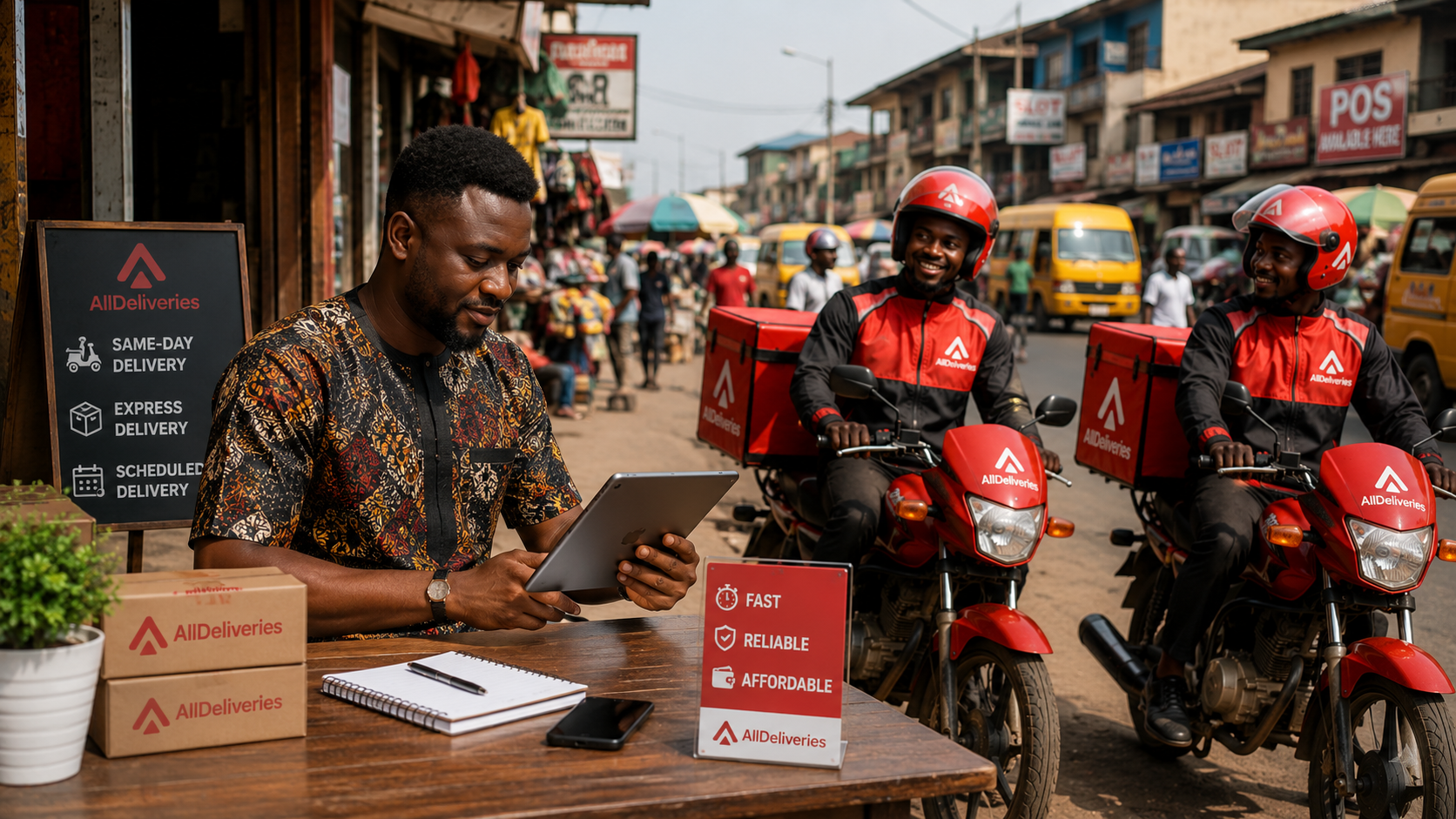
Urban areas may have better road networks, more delivery providers, and easier access to customers, but they can also experience heavy traffic, congestion, parking difficulties, and high delivery demand. Rural areas may have less traffic, but longer distances, difficult roads, limited addressing systems, and fewer delivery options can make deliveries more challenging.
For businesses serving customers across Nigeria, understanding these differences can help improve delivery planning, manage costs, and provide more realistic delivery expectations.
Services You May Like
1. Urban Areas Usually Have More Delivery Options
Businesses operating in major cities often have access to several delivery providers.
Urban areas may have:
- More courier companies.
- More delivery riders.
- More transport options.
- Greater access to logistics hubs.
- More opportunities for same-day delivery.
This competition can make it easier for businesses to compare providers and select services based on speed, cost, and coverage.
However, having more delivery options does not always mean deliveries will be faster.
2. Traffic Can Make Urban Deliveries Difficult
One of the biggest challenges of urban delivery is traffic congestion.
In cities such as Lagos, Abuja, Port Harcourt, Ibadan, and other busy urban centres, congestion can significantly increase travel time.
A short-distance delivery may take much longer than expected when roads are busy.
Businesses can manage urban traffic by:
- Planning routes carefully.
- Considering peak traffic periods.
- Using real-time traffic information where available.
- Giving customers realistic delivery windows.
- Grouping nearby deliveries where practical.
3. Rural Deliveries Often Involve Longer Distances
Rural customers may live farther away from warehouses, shops, or major distribution centres.
This can make rural delivery more expensive and time-consuming.
Businesses may need to account for:
- Greater travel distances.
- Fuel costs.
- Fewer available delivery providers.
- Additional travel time.
- Difficult road conditions.
Delivery fees and estimated delivery times should therefore reflect the actual logistics involved.
4. Rural Addresses Can Be More Difficult to Locate
Addressing is another important difference between urban and rural deliveries.
Urban customers may have street names, building numbers, estates, and other formal address information. In some rural communities, locations may be easier to identify using villages, landmarks, local names, or directions.
Businesses should collect as much useful information as possible, including:
- Customer's full name.
- Active phone number.
- Community or village.
- Local government area where relevant.
- Nearby landmarks.
- Clear directions.
- Alternative contact information where appropriate.
Good location information can save delivery personnel significant time.
5. Road Conditions Can Affect Rural Deliveries
Some rural routes may have roads that are more difficult to navigate, particularly during periods of heavy rainfall.
Poor road conditions can increase travel time and may also affect the type of vehicle suitable for the delivery.
Businesses should consider road accessibility before accepting delivery orders to locations that may require special transportation arrangements.
6. Urban Delivery Can Be More Expensive in Some Areas
Although urban locations are often closer to warehouses and businesses, delivery costs can still be high.
Factors such as traffic, parking difficulties, congestion, fuel consumption, and the amount of time required to complete deliveries can increase operating expenses.
A courier may spend considerable time travelling a relatively short distance because of congestion.
This means distance alone should not be the only factor businesses consider when calculating delivery costs.
7. Rural Delivery May Require More Planning
Rural deliveries often benefit from additional preparation.
Before dispatching an order, businesses should confirm:
- The exact destination.
- Customer availability.
- Phone number.
- Road accessibility.
- Suitable delivery method.
- Expected delivery timeframe.
This reduces the likelihood of sending a courier to a location that is difficult to reach or poorly described.
8. Customer Availability Can Affect Both Areas
Customers in urban and rural locations may be unavailable when delivery personnel arrive.
This can result in failed deliveries and additional transportation costs.
Businesses can reduce this problem by informing customers about expected delivery periods and confirming that someone will be available to receive the order.
For locations that are difficult to revisit, confirming customer availability before dispatch can be particularly useful.
9. Delivery Speed May Differ
Urban customers may have access to faster delivery options because more couriers and logistics services operate within cities.
Rural customers may need to wait longer because of distance, fewer delivery routes, or the need to combine shipments.
Businesses should avoid promising the same delivery timeframe to every location unless their logistics system can realistically support it.
Instead, provide delivery estimates based on the customer's location.
10. Delivery Costs Can Vary by Location
Businesses should consider the actual cost of serving different areas.
Urban deliveries may involve:
- Traffic-related costs.
- Shorter distances.
- Higher delivery volumes.
- More courier availability.
Rural deliveries may involve:
- Longer distances.
- Higher fuel consumption.
- Fewer available couriers.
- Additional travel time.
- More complicated routes.
Clear delivery pricing helps customers understand why charges may differ between locations.
11. Packaging Is Important in Both Urban and Rural Areas
Regardless of the destination, products should be packaged appropriately.
However, businesses may need to consider the length and conditions of rural journeys when preparing packages.
Products that are fragile, liquid, electronic, or sensitive to moisture may require additional protection.
Good packaging can help reduce the risk of damage during longer or more challenging journeys.
12. Reliable Delivery Partners Matter
The delivery provider should have suitable experience and coverage for the areas where the business operates.
When selecting a logistics partner, consider:
- Coverage area.
- Reliability.
- Delivery time.
- Tracking.
- Customer support.
- Package handling.
- Experience with rural routes.
A provider that performs well in an urban environment may not necessarily offer the same level of service in remote locations.
13. Tracking Is Useful for Both Urban and Rural Deliveries
Tracking provides greater visibility into the delivery process.
For urban deliveries, it can help customers monitor arrival times when traffic causes changes.
For rural deliveries, tracking can help businesses monitor longer journeys and identify delays.
Where available, businesses should provide customers with appropriate tracking information.
14. Communication Becomes More Important for Difficult Locations
Good communication can make a major difference when a delivery location is difficult to find.
Delivery personnel may need to contact customers for directions or confirmation.
Businesses should encourage customers to remain reachable around the expected delivery period.
If a delay occurs, the business should also communicate with the customer rather than leaving them uncertain about the status of the order.
15. Use Different Delivery Strategies for Different Locations
A business does not have to use exactly the same delivery strategy everywhere.
For urban areas, it may be practical to use:
- Same-day delivery.
- Multiple daily delivery runs.
- Motorcycle delivery.
- Scheduled delivery windows.
For rural areas, businesses may consider:
- Longer delivery windows.
- Scheduled delivery days.
- Collection points where available.
- Appropriate transport options.
- Consolidated deliveries where practical.
The right approach depends on the product, location, customer demand, and available logistics services.
16. Consider Pickup Points Where Appropriate
Some rural customers may live far from a business's normal delivery routes.
Where suitable options exist, pickup points can provide an alternative to door-to-door delivery.
Customers can collect their orders from a convenient location rather than requiring a courier to travel to a difficult-to-access address.
This approach may reduce delivery costs and make some orders easier to fulfil.
17. Plan for Weather Conditions
Weather can affect both urban and rural deliveries, but its effect may be more significant on roads that are difficult to navigate during heavy rainfall.
Businesses should consider weather conditions when planning deliveries and protect packages against moisture where necessary.
When severe conditions are likely to cause significant delays, customers should be informed as early as possible.
18. Keep Delivery Estimates Realistic
Businesses should avoid using a single delivery timeframe for every customer.
Instead, delivery estimates should consider:
- Customer location.
- Distance.
- Road conditions.
- Traffic.
- Courier availability.
- Order processing time.
- Weather conditions where relevant.
Realistic estimates help businesses avoid disappointing customers.
Common Mistakes Businesses Should Avoid With Urban and Rural Deliveries
Businesses should avoid:
- Charging the same delivery fee without considering actual logistics costs.
- Assuming every location has easy road access.
- Providing incomplete customer addresses.
- Promising the same delivery time across all locations.
- Choosing delivery partners without checking coverage.
- Ignoring rural customers when planning logistics.
- Failing to protect products for longer journeys.
- Not confirming customer availability.
- Failing to communicate delivery delays.
- Using inefficient routes.
Avoiding these mistakes can make delivery operations more reliable across different parts of Nigeria.
Benefits of Adapting Delivery to Different Locations
Better Cost Management
Understanding the differences between urban and rural delivery can help businesses set more realistic delivery charges.
More Accurate Delivery Estimates
Location-specific planning makes it easier to provide customers with realistic timeframes.
Fewer Failed Deliveries
Better address information and customer communication can reduce unsuccessful delivery attempts.
Improved Customer Satisfaction
Customers are more likely to appreciate a business that provides clear expectations and reliable service.
Wider Market Reach
A well-planned delivery system can make it easier for businesses to serve customers outside major cities.
Final Thoughts
Urban and rural delivery in Nigeria present different challenges, and businesses should not assume that one delivery strategy will work equally well everywhere.
Urban areas may offer more courier options and shorter distances but can be affected by heavy traffic and congestion. Rural deliveries may have less traffic but can involve longer distances, difficult roads, limited delivery services, and harder-to-locate addresses.
Businesses can manage these differences by confirming customer information, choosing appropriate delivery partners, planning routes carefully, protecting products properly, and providing realistic delivery estimates.
For businesses looking to expand beyond major cities, understanding rural logistics is particularly important. A reliable delivery system can help connect businesses with customers in more communities across Nigeria.
Good logistics is not about treating every destination the same. It is about adapting the delivery process to the conditions of each location while maintaining a consistent standard of service.
Comments
No comments yet. Be the first to comment.