A product does not usually move directly from the place where it is produced to the person who buys it. Before it reaches the customer, it may pass through suppliers, manufacturers, warehouses, distributors, retailers, and delivery providers.
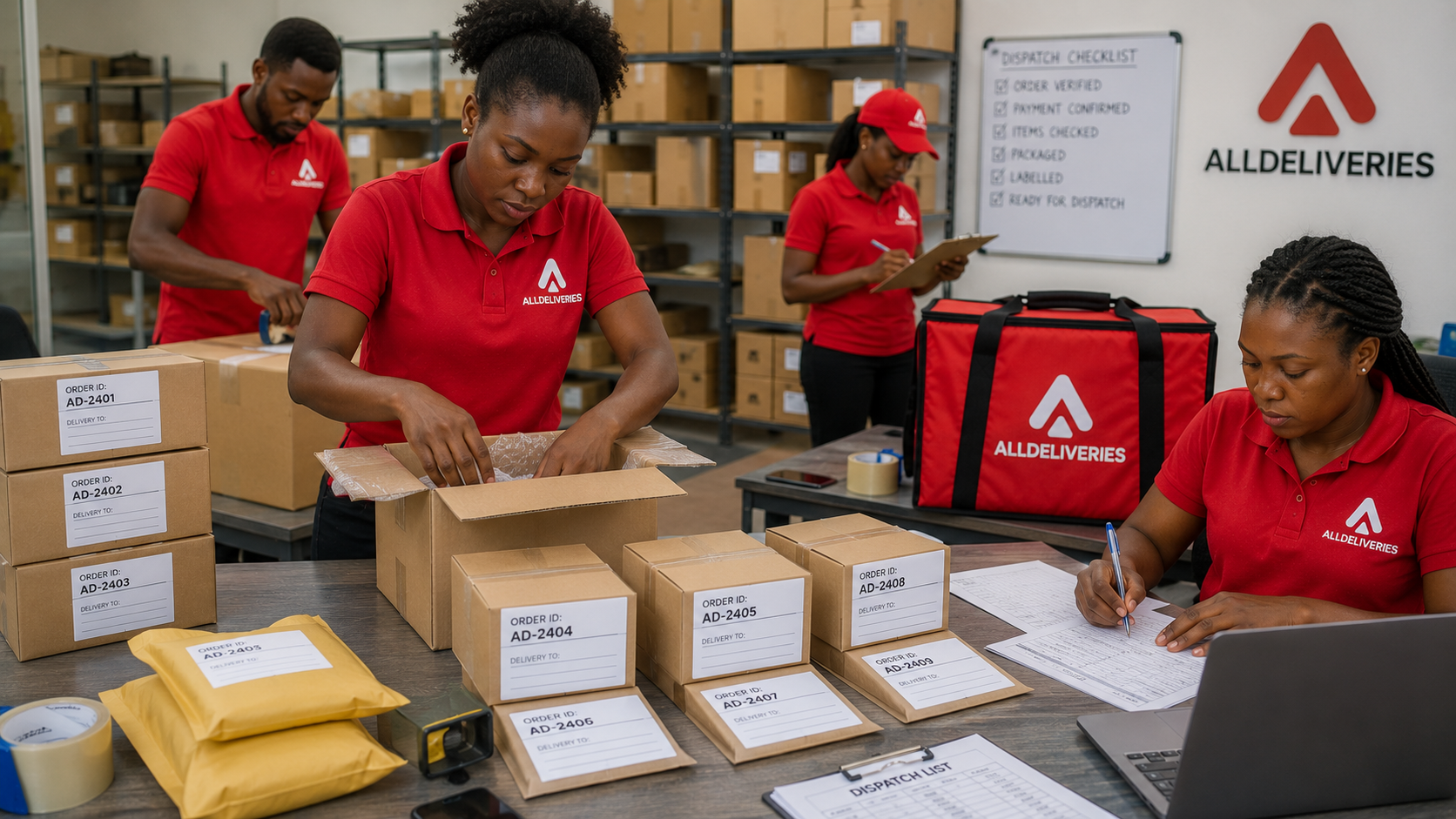
All the activities involved in moving a product from its source to the final customer form part of the supply chain.
For Nigerian businesses, understanding the supply chain can make it easier to manage products, control costs, plan inventory, and deliver orders to customers more efficiently.
Services You May Like
A well-managed supply chain can also help businesses respond to changes in demand, reduce unnecessary delays, and provide customers with a more reliable experience.
1. What Is a Supply Chain?
A supply chain is the network of people, businesses, resources, processes, and activities involved in producing and moving a product or service to the final customer.
It can include activities such as:
- Sourcing raw materials.
- Manufacturing products.
- Purchasing goods.
- Storing inventory.
- Transporting products.
- Processing orders.
- Distributing goods.
- Delivering products to customers.
The exact structure of a supply chain depends on the type of business and product involved.
2. How Does a Supply Chain Work?
A supply chain generally begins with sourcing the materials or products needed by a business.
The goods may then be manufactured, purchased, stored, transported, distributed, and eventually delivered to the customer.
For example, a clothing business may purchase clothes from a manufacturer, store them in a warehouse or shop, receive customer orders, package the products, and arrange delivery to customers.
Each stage contributes to getting the product to the person who needs it.
3. Suppliers Are an Important Part of the Supply Chain
Suppliers provide businesses with the materials, products, or resources they need to operate.
A supplier could provide raw materials to a manufacturer or finished products to a retailer.
Businesses need reliable suppliers to maintain adequate stock and avoid unnecessary interruptions to their operations.
4. Manufacturing Can Be Part of the Supply Chain
Manufacturing is the process of turning raw materials or components into finished products.
For example, a manufacturer may purchase materials, process them, assemble products, and prepare them for distribution.
Once the products are ready, they can move to warehouses, distributors, retailers, or directly to customers.
5. Warehousing Helps Store Products
Warehousing involves storing goods before they are needed or delivered.
A warehouse can help businesses organise inventory and keep products available until orders are placed.
Depending on the business, goods may be stored in a dedicated warehouse, distribution centre, shop, or another suitable location.
6. Transportation Moves Goods Between Locations
Transportation is another important part of the supply chain.
Products may need to move between suppliers, manufacturers, warehouses, distribution centres, shops, and customers.
Different transportation methods may be used depending on the distance, type of product, cost, and delivery requirements.
7. Logistics Helps Coordinate the Supply Chain
Logistics is closely connected to supply chain management.
It involves planning and managing the movement and storage of goods, as well as coordinating activities needed to get products where they are required.
Logistics can therefore support several stages of the supply chain, from transportation and warehousing to order fulfilment and delivery.
8. Distribution Connects Products With Customers
Distribution involves moving products from a supplier, manufacturer, or central location towards the places where they will be sold or used.
A business may distribute products through wholesalers, retailers, distribution centres, or other channels.
Effective distribution helps ensure that products are available in the right locations when customers need them.
9. Retailers Can Be Part of the Supply Chain
Retailers sell products directly to consumers.
For example, a customer may buy a product from a supermarket, shop, online store, or another retailer.
The retailer may receive products from manufacturers, wholesalers, or distributors before selling them to customers.
10. Delivery Is Often the Final Stage
Delivery is usually one of the final stages of the supply chain, particularly for businesses that sell directly to customers.
After a customer places an order, the product may be picked from inventory, packaged, handed over to a courier, and transported to the customer's location.
This final stage can have a major effect on the customer's experience.
11. Customers Are Part of the Supply Chain
The customer is the final recipient in many supply chains.
Customer demand influences how businesses purchase, manufacture, store, and distribute products.
When businesses understand what customers want and when they want it, they can make better decisions about inventory and supply chain planning.
12. Inventory Management Is Important
Inventory management involves monitoring the products and materials a business has available.
Businesses need enough stock to meet customer demand without unnecessarily holding more products than they can sell or use.
Poor inventory management can result in:
- Products running out of stock.
- Excess inventory.
- Delayed orders.
- Increased storage costs.
- Missed sales opportunities.
Keeping accurate inventory information can help businesses make better supply chain decisions.
13. Demand Affects the Supply Chain
Customer demand can change over time.
A business may experience higher demand during festive periods, promotions, special events, or other busy seasons.
If a business does not prepare for increased demand, it may run out of stock or struggle to fulfil orders on time.
Monitoring demand can help businesses plan purchasing, inventory, staffing, transportation, and delivery requirements.
14. Information Moves Through the Supply Chain
The supply chain is not only about moving physical products.
Information is also important.
Businesses may need to share information about:
- Customer orders.
- Inventory levels.
- Product availability.
- Delivery locations.
- Shipment status.
- Expected demand.
- Transportation arrangements.
Accurate information helps different parties coordinate their activities more effectively.
15. Technology Can Improve Supply Chain Management
Technology can help businesses manage different parts of their supply chain.
Depending on the size and needs of a business, technology may be used for:
- Inventory management.
- Order processing.
- Shipment tracking.
- Customer communication.
- Warehouse management.
- Sales forecasting.
- Delivery coordination.
These tools can improve visibility and make it easier to identify problems.
16. Supply Chain Problems Can Cause Delays
A problem at one stage of the supply chain can affect other stages.
For example, if a supplier delivers materials late, a manufacturer may produce goods later than planned. This can affect inventory, distribution, and eventually customer delivery.
Other possible problems include:
- Transportation delays.
- Stock shortages.
- Incorrect orders.
- Damaged goods.
- Poor communication.
- Warehouse problems.
- Unexpected changes in demand.
Businesses should identify potential risks and develop practical ways to manage them.
17. Supply Chains Can Be Local or International
Not every supply chain operates within one city or country.
A Nigerian business may source products locally or purchase goods and materials from suppliers in other countries.
International supply chains can involve additional transportation, customs, documentation, currency, and regulatory considerations.
Local supply chains may involve fewer stages, although they can still face transportation and distribution challenges.
18. Why Is Supply Chain Management Important?
Supply chain management helps businesses coordinate the different activities involved in obtaining, storing, moving, and delivering products.
Effective management can help businesses:
- Reduce unnecessary costs.
- Maintain appropriate inventory levels.
- Improve order fulfilment.
- Reduce delays.
- Respond to customer demand.
- Improve coordination with suppliers.
- Provide better customer service.
A well-managed supply chain can therefore contribute to overall business efficiency.
Common Supply Chain Mistakes Businesses Should Avoid
Businesses should avoid:
- Relying on inaccurate inventory information.
- Failing to monitor customer demand.
- Depending too heavily on a single supplier where alternatives are practical.
- Poor communication with suppliers and delivery partners.
- Failing to plan for periods of high demand.
- Using unsuitable storage arrangements.
- Ignoring transportation delays.
- Failing to track important shipments.
- Processing orders inaccurately.
- Not preparing for possible supply chain disruptions.
Avoiding these mistakes can help businesses maintain smoother operations and reduce preventable problems.
Benefits of Understanding the Supply Chain
Better Inventory Management
Understanding how products move through the supply chain can help businesses determine how much stock they need and when to replenish it.
Improved Business Planning
Businesses can make better decisions when they understand how suppliers, inventory, transportation, distribution, and delivery are connected.
Reduced Delays
Identifying potential problems at different stages can help businesses take action before they significantly affect customers.
Better Cost Control
Efficient supply chain management can help businesses reduce unnecessary storage, transportation, purchasing, and operational costs.
Improved Customer Satisfaction
When products are available and delivered reliably, customers are more likely to have a positive experience.
Final Thoughts
The supply chain is the connected system through which products, information, and resources move from suppliers to businesses and eventually to customers.
It can involve sourcing, manufacturing, purchasing, warehousing, transportation, distribution, order processing, and delivery. Each stage can affect the next, which means a problem in one part of the supply chain can create challenges elsewhere.
For Nigerian businesses, understanding the supply chain can provide a clearer picture of how products reach customers and where improvements can be made.
Businesses that manage their suppliers, inventory, transportation, information, and delivery processes effectively can reduce avoidable problems and operate more efficiently.
By understanding the supply chain in simple terms, businesses can make better decisions, prepare for potential disruptions, control costs, and provide customers with a more reliable experience.
Comments
No comments yet. Be the first to comment.