Sending valuable items requires more care than sending ordinary packages. Electronics, jewellery, important gifts, collectibles, high-value fashion items, and other expensive products can be costly to replace if they are lost, damaged, or delivered to the wrong person.
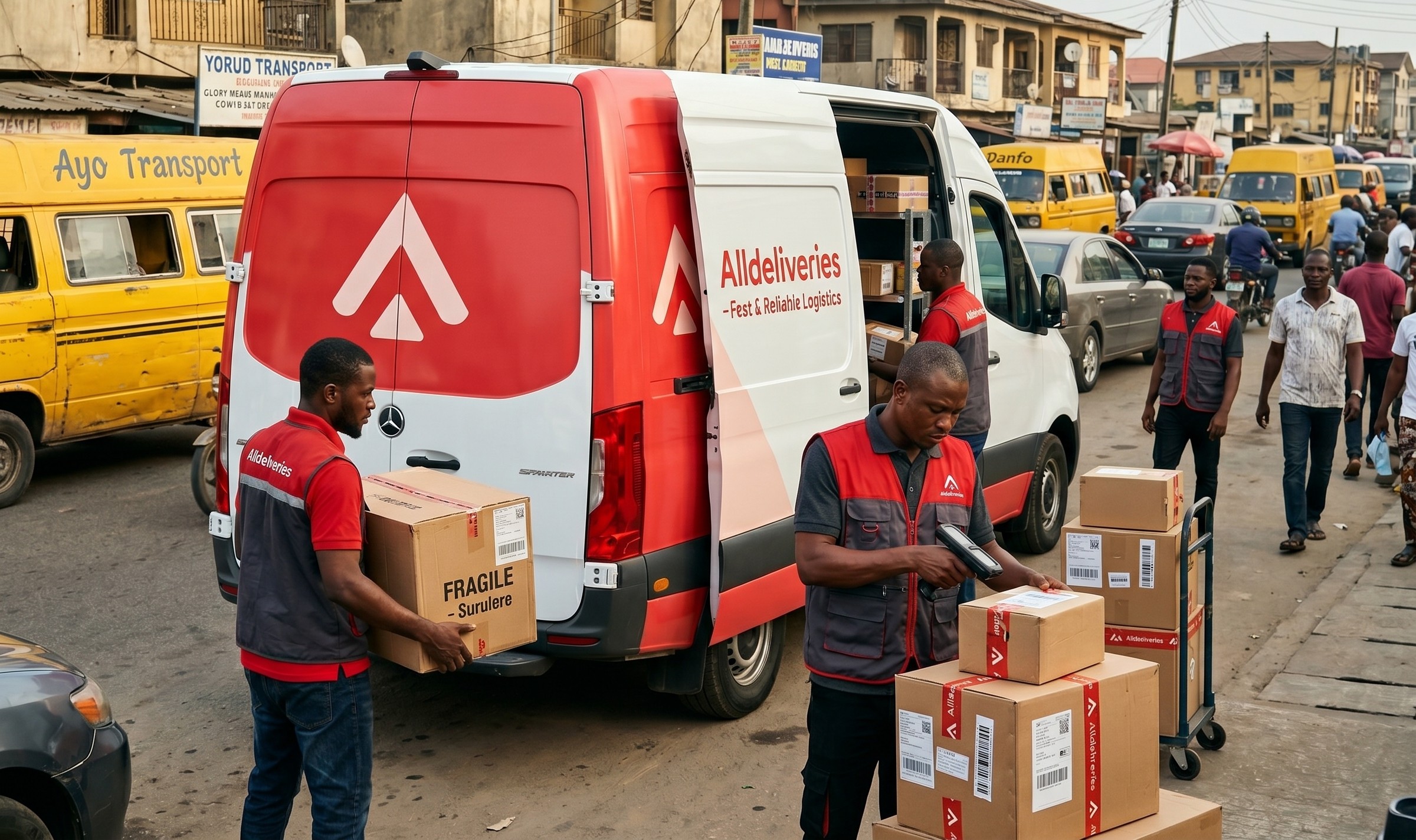
A valuable item can be affected by poor packaging, rough handling, moisture, theft, or delivery errors. Taking the right precautions before the package leaves your hands can help reduce these risks.
For individuals and businesses in Nigeria, safe delivery of valuable items starts with suitable packaging, accurate recipient information, reliable transportation, and proper shipment records.
Services You May Like
Here are practical tips to help you send valuable items more safely.
1. Choose Suitable Packaging
The packaging should match the item's size, weight, fragility, and value.
Depending on the product, suitable packaging may include:
- Strong cardboard boxes.
- Padded envelopes.
- Bubble wrap.
- Foam.
- Protective sleeves.
- Corrugated inserts.
- Suitable inner bags.
Avoid using weak, damaged, or oversized packaging that does not provide adequate protection.
2. Add Enough Cushioning
Valuable items should be protected from unnecessary movement and impact.
Use suitable cushioning around the item to reduce the effect of bumps during transportation.
Make sure the item is reasonably secure without applying excessive pressure that could damage it.
3. Protect Fragile Items Individually
If you are sending more than one valuable item, consider wrapping each item separately.
This can help prevent products from hitting or scratching each other during transportation.
Individual protection is especially useful for:
- Glass items.
- Watches.
- Jewellery.
- Electronics.
- Decorative products.
- Other delicate goods.
4. Protect Items From Moisture
Moisture can damage certain valuable products and their packaging.
Where appropriate, place the item inside suitable moisture-resistant packaging before using the outer package.
This can provide an additional layer of protection against rain, spills, and damp conditions.
5. Use a Strong Outer Package
A sturdy outer package can provide additional protection during transportation.
Choose packaging that can support the weight of the item and withstand normal handling.
Check the box or outer packaging before use and avoid packages with major tears, crushed sections, or weakened seams.
6. Prevent Movement Inside the Package
Too much empty space can allow an item to move around during delivery.
Use suitable cushioning to fill unnecessary gaps and keep the item reasonably secure.
The goal is to reduce movement without putting excessive pressure on the contents.
7. Seal the Package Securely
After placing the item inside, make sure the package is properly sealed.
Check:
- All openings.
- Box seams.
- Flaps.
- Tape.
- Other vulnerable sections.
For heavier or valuable packages, additional reinforcement may be appropriate.
8. Keep the Contents Private
Avoid unnecessarily displaying information about the value or contents of a package.
Use suitable outer packaging that protects the contents from unnecessary exposure.
The delivery label should contain the information needed to complete the delivery without revealing more sensitive details than necessary.
9. Verify the Recipient's Information
Accurate delivery information is essential when sending valuable items.
Confirm:
- Recipient's full name.
- Phone number.
- House or building number.
- Street.
- Area.
- City.
- State.
- Useful landmarks or directions.
An accurate address can reduce the risk of failed or misdirected delivery.
10. Confirm the Recipient's Phone Number
A working phone number gives the delivery provider a way to contact the recipient when necessary.
Check the number before dispatch and make sure it is complete and accurate.
For valuable shipments, reliable communication can be particularly important.
11. Choose a Reliable Delivery Service
Do not select a delivery provider based only on price.
Consider:
- Reliability.
- Delivery coverage.
- Package handling.
- Tracking.
- Customer support.
- Delivery speed.
- Experience handling valuable shipments.
Choose a provider whose service is appropriate for the value and type of item being transported.
12. Use Tracking Where Available
Tracking can help you monitor the package from dispatch to delivery.
Keep the tracking information until the recipient has confirmed that the item was received.
If the shipment appears to be delayed or stops showing expected progress, contact the delivery provider promptly.
13. Keep Records of the Item
For valuable items, maintain appropriate records before dispatch.
Depending on the item, records may include:
- Description of the item.
- Purchase information where relevant.
- Serial number.
- Product condition.
- Photographs.
- Package condition.
- Tracking information.
- Dispatch date.
These records can be useful when investigating a delivery problem.
14. Photograph the Package Before Dispatch
Consider taking clear photographs of the item and its packaging before handing the package to the delivery provider.
The photographs can document the condition of the item and the way it was packaged at the time of dispatch.
Keep these records securely for as long as they may be useful.
15. Consider Appropriate Insurance or Protection
For particularly valuable shipments, check whether the delivery provider offers an appropriate insurance or declared-value option.
Understand the provider's terms, limits, exclusions, and requirements before choosing such protection.
Do not assume that every delivery service automatically covers the full value of a lost or damaged item.
16. Choose the Appropriate Delivery Speed
Consider how long the item needs to remain in transit.
If the item is time-sensitive or particularly valuable, a delivery option with suitable handling and tracking may be preferable to an unnecessarily slow service.
Allow enough time for unexpected delays rather than relying on the last possible delivery date.
17. Communicate With the Recipient
Let the recipient know that the package has been sent.
Where tracking is available, provide the relevant tracking information.
This allows the recipient to monitor the delivery and prepare to receive the package.
18. Confirm Delivery
For valuable items, confirm that the intended recipient actually received the package.
Where available, use the delivery provider's proof-of-delivery information and keep the confirmation for your records.
This can provide additional assurance that the shipment reached its destination.
19. Be Careful With Returns
If a valuable item needs to be returned, package it with the same level of care used for the original shipment.
Use suitable protective materials and verify the return address before dispatch.
For expensive items, keep appropriate records of the return shipment and tracking details.
20. Report Delivery Problems Quickly
If a valuable package is delayed, damaged, or appears to be missing, contact the delivery provider as soon as possible.
Provide relevant information such as:
- Tracking number.
- Recipient details.
- Dispatch date.
- Description of the package.
- Available photographs or records.
Prompt reporting can make it easier to investigate the issue.
Common Mistakes to Avoid When Sending Valuable Items
Avoid:
- Using weak packaging.
- Leaving too much empty space inside the package.
- Failing to protect fragile items.
- Exposing the contents unnecessarily.
- Providing incomplete delivery information.
- Choosing a delivery service based only on price.
- Sending valuable items without keeping appropriate records.
- Assuming all shipments have full-value compensation.
- Ignoring tracking information.
- Waiting too long to report a missing or damaged package.
These mistakes can increase the risk of loss, damage, delays, and financial loss.
Benefits of Sending Valuable Items Carefully
Better Product Protection
Suitable packaging can help reduce damage caused by impact, movement, moisture, and normal handling.
Lower Risk of Loss
Accurate addressing, tracking, and reliable delivery can help reduce delivery problems.
Greater Peace of Mind
Keeping proper records and monitoring a valuable shipment can provide greater confidence throughout the delivery process.
Easier Problem Resolution
Photographs, tracking details, and other records can be useful when investigating delivery issues.
Better Customer Experience
For businesses, safely delivering valuable products can improve customer confidence and strengthen the reputation of the business.
Final Thoughts
Valuable items require careful preparation because replacing them may be expensive or difficult. Whether you are sending electronics, jewellery, important gifts, collectibles, or other high-value products, proper packaging and reliable delivery are essential.
Before dispatch, use suitable protective materials, secure the package, verify the recipient's information, and keep appropriate records of the item and its condition.
Choose a reliable delivery service and use tracking and proof of delivery where available. For particularly valuable shipments, review any insurance or declared-value options carefully rather than assuming the full value is automatically covered.
By taking these precautions, individuals and businesses in Nigeria can reduce avoidable delivery risks and give valuable items a better chance of reaching their destination safely.
Comments
No comments yet. Be the first to comment.