Modern delivery involves more than moving a package from one location to another. Businesses need to know where their deliveries are, whether drivers are following planned routes, and when customers can expect their orders to arrive.
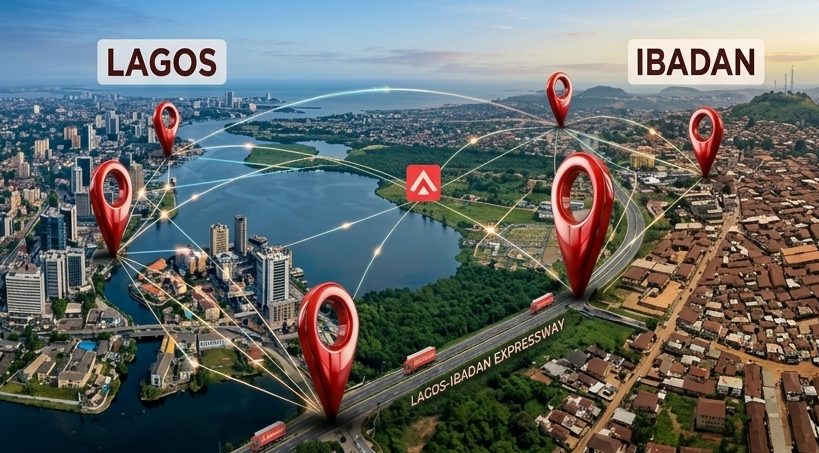
This is where GPS tracking becomes useful. GPS tracking allows businesses and delivery companies to monitor the location of vehicles and, in some cases, provide customers with updates about their deliveries.
For businesses in Nigeria, where traffic, long travel distances, and changing road conditions can affect delivery times, GPS tracking can make delivery operations easier to monitor and manage. Understanding its role can help businesses improve efficiency and provide customers with a more reliable delivery experience.
Services You May Like
1. What Is GPS Tracking?
GPS tracking is a technology that uses signals from global positioning systems to determine the location of a device, vehicle, or other tracked object.
In delivery operations, GPS tracking devices or mobile applications can help businesses monitor delivery vehicles and see their approximate location during a trip.
2. How Does GPS Tracking Improve Delivery?
GPS tracking gives businesses better visibility into the movement of deliveries. Instead of relying entirely on phone calls or waiting for a driver to provide an update, businesses can monitor the delivery journey through a tracking system.
This can make it easier to identify delays, estimate arrival times, and respond to problems when they occur.
3. Real-Time Delivery Visibility
One of the main advantages of GPS tracking is improved visibility. Businesses can see where a delivery vehicle is while an order is being transported.
This information can help staff answer customer enquiries more accurately and identify whether a delivery is progressing as expected.
4. Better Route Planning
GPS technology can help delivery companies plan routes based on destinations and available roads.
Efficient route planning can reduce unnecessary travel and help drivers reach customers more directly. This is particularly useful when a driver has several deliveries to complete during the same trip.
5. GPS Tracking Helps Reduce Delays
Delivery delays can happen because of traffic, wrong turns, road closures, or other unexpected issues. GPS tracking can help businesses identify when a vehicle has stopped for an unusually long period or moved away from its expected route.
Once a problem is identified, the business can contact the driver or adjust the delivery plan where possible.
6. Easier Estimated Arrival Times
GPS tracking can help businesses provide customers with more useful information about when their orders may arrive.
Instead of giving a broad delivery window without updates, businesses can use the vehicle's location and journey progress to provide a more informed estimated arrival time.
However, an estimated arrival time can change because of traffic, weather, road conditions, or other factors.
7. Better Communication With Customers
Customers often want to know where their orders are, particularly when they are waiting for an important delivery.
Tracking information can reduce uncertainty by allowing businesses to provide updates about the progress of an order.
This can also reduce the number of calls and messages customer service teams receive asking for delivery updates.
8. GPS Tracking Helps Prevent Wrong Routes
Drivers may occasionally take an inefficient route or travel towards the wrong location because of incorrect directions or other issues.
GPS tracking can help businesses identify route deviations and contact the driver when necessary. This can prevent avoidable delays and help keep deliveries on schedule.
9. Improved Delivery Management
GPS tracking can give delivery managers a clearer view of their operations. They can monitor multiple vehicles and identify where deliveries are taking longer than expected.
This information can help businesses make better decisions about routes, delivery schedules, vehicle allocation, and staffing.
10. GPS Tracking Supports Multiple Deliveries
When a driver has several packages to deliver, route efficiency becomes more important. GPS technology can help organise destinations and determine practical routes between different delivery points.
This can reduce unnecessary movement and allow drivers to complete more deliveries within the available working period.
11. Better Proof and Records of Delivery Movement
GPS data can provide useful records about where a delivery vehicle travelled and when it reached particular areas.
While GPS tracking does not by itself prove that a package was handed directly to the recipient, location information can support other delivery records such as delivery confirmations, signatures, photographs, or electronic proof of delivery.
12. GPS Tracking Improves Fleet Management
Businesses that operate several delivery vehicles can use GPS tracking to monitor their fleet more effectively.
Tracking information can help managers understand vehicle usage, identify inefficient routes, and monitor how vehicles move throughout the day.
This can support better planning and more efficient use of delivery resources.
13. GPS Tracking Can Improve Driver Safety
GPS tracking can help businesses know where their drivers and vehicles are during delivery operations.
If a vehicle experiences a problem or stops unexpectedly, the business may be able to identify its location and respond more quickly.
However, businesses should use tracking responsibly and respect applicable privacy and employment requirements.
14. GPS Tracking Helps Businesses Understand Delivery Performance
Tracking data can provide useful information about delivery operations over time.
Businesses can review factors such as route efficiency, delivery times, recurring delays, and areas where vehicles frequently experience problems.
This information can help businesses identify weaknesses and improve their delivery processes.
15. GPS Tracking Works With Other Delivery Technologies
GPS tracking is often more useful when combined with other digital delivery tools.
For example, a business may connect GPS information with order management, inventory systems, customer notifications, and electronic proof of delivery.
When these systems work together, businesses can have a clearer view of an order from processing to final delivery.
16. GPS Tracking Does Not Eliminate Every Delivery Problem
GPS tracking can improve visibility, but it cannot prevent every delivery delay.
Traffic congestion, poor road conditions, vehicle problems, weather, inaccurate addresses, customer unavailability, and other issues can still affect delivery times.
The main benefit of GPS tracking is that it gives businesses better information, allowing them to respond to problems more effectively.
17. What Businesses Should Consider Before Using GPS Tracking
Businesses should consider several factors before introducing GPS tracking into their delivery operations, including:
-
The number of vehicles that need to be tracked
-
The type of tracking system required
-
The reliability of the tracking service
-
Data and privacy considerations
-
The cost of devices and software
-
How tracking information will be shared with customers
-
Integration with existing delivery systems
-
Training for drivers and delivery staff
Choosing a system that matches the size and needs of the business can make GPS tracking more useful and cost-effective.
Common GPS Tracking Mistakes to Avoid
Businesses should avoid common tracking problems that can reduce the usefulness of GPS technology, including:
-
Using unreliable tracking devices
-
Failing to maintain tracking equipment
-
Ignoring privacy considerations
-
Providing customers with inaccurate tracking information
-
Relying entirely on GPS without human oversight
-
Failing to train drivers and staff
-
Not reviewing tracking data to improve operations
-
Assuming GPS can prevent every delivery delay
Benefits of GPS Tracking in Delivery
Better Delivery Visibility
Businesses can monitor vehicle locations and have a clearer understanding of delivery progress.
Improved Route Efficiency
Tracking and route-planning tools can help drivers avoid unnecessary travel and improve delivery schedules.
Better Customer Communication
Businesses can provide more useful updates and estimated arrival times to customers.
Improved Fleet Management
Tracking information can help businesses monitor vehicles and identify opportunities to improve operations.
Faster Response to Problems
When delays or route issues occur, businesses can identify them sooner and take appropriate action.
Final Thoughts
GPS tracking has become a useful part of modern delivery operations because it gives businesses greater visibility into the movement of vehicles and orders. It can support route planning, improve communication, help manage fleets, and make it easier to respond to delivery problems.
For businesses in Nigeria, GPS tracking can be particularly useful when managing deliveries across busy cities, long-distance routes, and different locations. However, the technology works best when it is combined with good delivery planning, accurate customer information, reliable drivers, and effective communication.
GPS tracking does not guarantee faster delivery on its own. Its main value is the information it provides. When businesses use that information properly, they can make better decisions, reduce avoidable delays, and provide customers with a more reliable delivery experience.
Comments
No comments yet. Be the first to comment.