Delivery services are becoming increasingly important to businesses and consumers across Nigeria. As more businesses sell products online and customers become more comfortable ordering goods remotely, the need for reliable and efficient delivery services continues to grow.
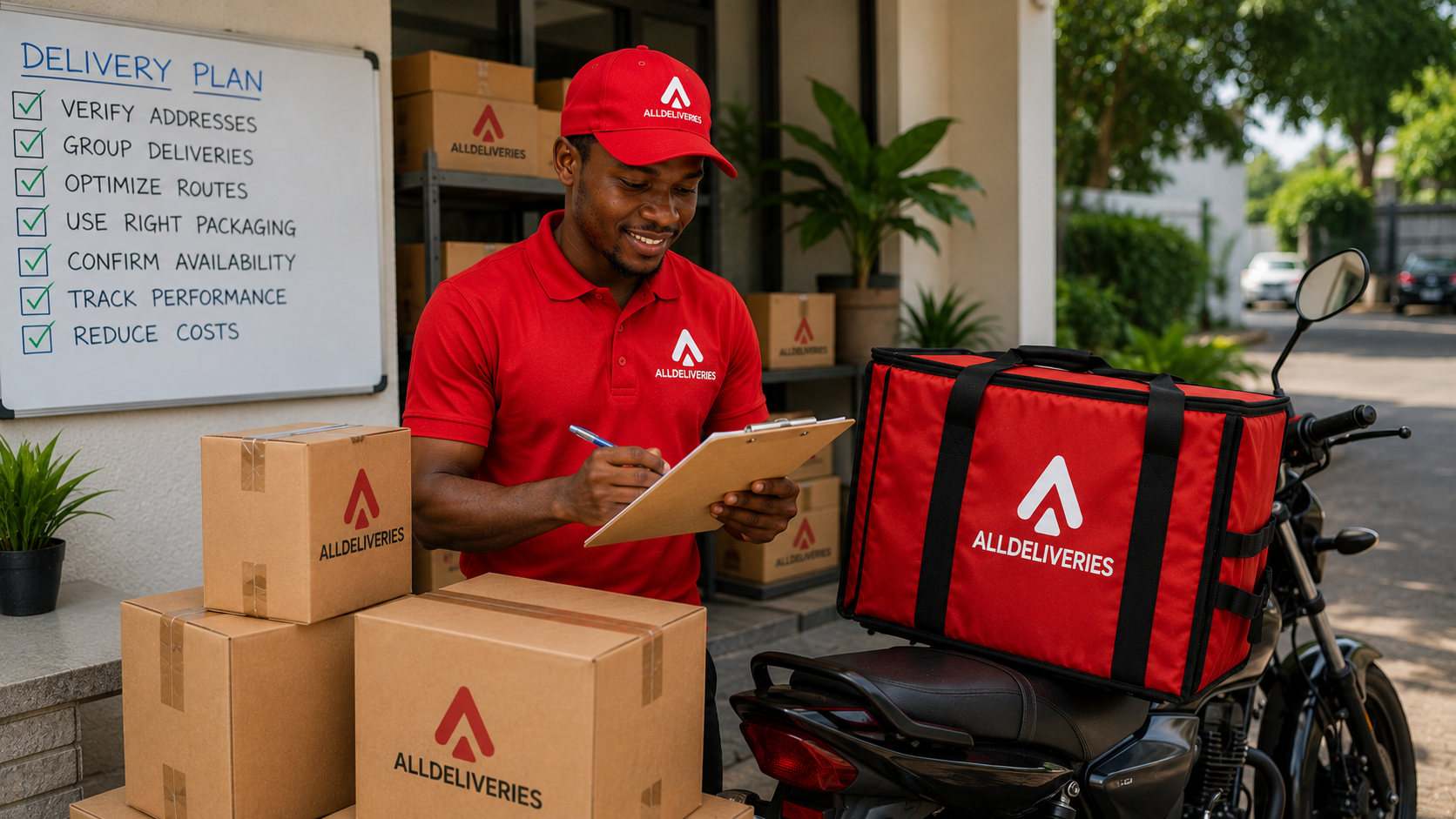
The delivery industry is also changing. Technology is making it easier to track shipments, manage orders, plan routes, communicate with customers, and coordinate delivery personnel. At the same time, businesses are looking for ways to reduce costs and provide faster, more convenient services.
Nigeria's growing digital economy, expanding e-commerce sector, and increasing use of digital payments are likely to continue influencing how goods are moved from businesses to customers.
Services You May Like
The future of delivery services will not depend on speed alone. Reliability, affordability, technology, customer experience, safety, and the ability to serve different parts of the country will all remain important.
1. E-commerce Will Continue to Influence Delivery Demand
As more Nigerian businesses sell products online, delivery will remain an important part of the customer experience.
Customers may order products through websites, social media platforms, online marketplaces, and other digital channels.
This means businesses will need delivery systems that can handle increasing numbers of orders while maintaining reasonable costs and reliable service.
2. Technology Will Play a Bigger Role
Technology is likely to become even more important in delivery operations.
Businesses and logistics providers can use digital tools for:
- Order management.
- GPS tracking.
- Route planning.
- Inventory management.
- Customer communication.
- Digital proof of delivery.
- Payment processing.
As these systems become more accessible, smaller businesses may also be able to use technology that was previously more common among larger companies.
3. Real-Time Tracking Will Become More Common
Customers increasingly want to know what is happening with their orders.
Real-time or near-real-time tracking can provide information about shipment progress and help customers understand when an order is likely to arrive.
For businesses, tracking can also make it easier to monitor delivery operations and identify delays.
Greater visibility can make the delivery process more transparent for everyone involved.
4. Faster Delivery Will Remain Important
Speed will continue to matter, particularly for customers buying products they need quickly.
Same-day and next-day delivery may become more available in areas where logistics networks can support them.
However, faster delivery must be balanced against cost.
A business should not promise extremely fast delivery if doing so makes the service unnecessarily expensive or difficult to maintain.
5. Customers Will Expect Better Delivery Experiences
The future of delivery will involve more than simply getting a package to the customer.
Customers may increasingly expect:
- Clear delivery estimates.
- Order notifications.
- Shipment tracking.
- Convenient payment options.
- Flexible delivery arrangements.
- Easy communication.
- Reliable customer support.
Businesses that provide a smooth delivery experience can create a stronger relationship with their customers.
6. Delivery Services Will Need to Serve More Locations
Nigeria's customer base extends far beyond major urban centres.
As businesses expand, they will need delivery solutions that can serve customers in smaller towns and rural communities.
This may require different strategies depending on the location, including longer delivery windows, collection points, regional distribution arrangements, and suitable transportation options.
Expanding delivery coverage can allow businesses to reach customers who were previously difficult to serve.
7. Local Knowledge Will Remain Valuable
Even as technology improves, local knowledge will continue to play an important role.
Digital maps and GPS systems can provide useful navigation information, but delivery personnel may still need practical knowledge of roads, landmarks, communities, traffic patterns, and difficult-to-locate addresses.
The future of delivery is therefore likely to involve a combination of technology and human experience.
8. Route Optimisation Will Help Control Costs
Fuel and transportation expenses are important considerations for delivery businesses.
Route optimisation technology can help businesses organise multiple deliveries more efficiently and reduce unnecessary travel.
Better route planning can help businesses:
- Reduce travel distances.
- Save fuel.
- Complete more deliveries.
- Improve delivery schedules.
- Reduce unnecessary vehicle use.
As delivery volumes increase, efficient routing will become increasingly important.
9. More Businesses May Use On-Demand Delivery
Small businesses may increasingly rely on on-demand delivery services instead of maintaining their own delivery fleets.
This can allow businesses to request delivery services when orders are received without having to purchase and maintain delivery vehicles themselves.
For businesses with irregular order volumes, this approach can provide greater flexibility.
10. Digital Payments Will Support Delivery Operations
Digital payment methods are likely to remain an important part of the delivery ecosystem.
Customers can pay for products and delivery services electronically, while businesses can maintain digital transaction records.
Digital payments can also make it easier to connect orders, payments, and fulfilment information within a single system.
11. Delivery Data Will Become More Valuable
As businesses use more digital logistics tools, they will generate more information about their delivery operations.
Businesses can use this data to understand:
- Which areas receive the most orders.
- Average delivery times.
- Common causes of delays.
- Delivery costs.
- Failed delivery rates.
- Customer preferences.
This information can help businesses make better decisions about routes, delivery providers, pricing, and service areas.
12. Artificial Intelligence May Improve Logistics Planning
Artificial intelligence and other advanced technologies may play a larger role in logistics planning.
Businesses could use intelligent systems to analyse delivery information and help with tasks such as demand forecasting, route planning, inventory management, and scheduling.
These technologies are likely to be most useful when combined with accurate data and human oversight.
13. Delivery Hubs and Collection Points May Become More Important
Delivering every order directly to a customer's home can be expensive or difficult in some locations.
Collection points and local delivery hubs can provide an alternative.
Customers may collect orders from a convenient location instead of waiting for a courier to reach a difficult-to-access address.
This approach could be particularly useful for businesses serving areas with challenging delivery routes.
14. Sustainable Delivery Practices May Gain Attention
Environmental considerations may become more important as delivery volumes increase.
Businesses may explore ways to reduce unnecessary journeys, improve vehicle efficiency, use appropriate packaging, and consolidate deliveries where practical.
Route optimisation can also help reduce unnecessary fuel consumption by making delivery journeys more efficient.
Sustainability should be balanced with affordability, reliability, and the practical requirements of the Nigerian market.
15. Electric and Alternative Delivery Vehicles May Expand Gradually
As technology and infrastructure develop, electric motorcycles, vehicles, and other alternative transportation options may become more relevant to delivery operations.
Their adoption will depend on factors such as:
- Purchase costs.
- Charging infrastructure.
- Battery performance.
- Maintenance.
- Availability of suitable vehicles.
- Operating conditions.
For some delivery businesses, alternative vehicles may eventually provide another way to manage transportation costs.
16. Better Packaging Will Become More Important
As delivery volumes increase, businesses will need packaging that protects products while remaining practical and cost-effective.
Packaging will need to reflect the type of product, delivery distance, handling requirements, and environmental conditions.
Businesses may also pay more attention to reducing unnecessary packaging while maintaining adequate protection.
17. Logistics Providers Will Need Greater Flexibility
Customers and businesses do not all have the same delivery requirements.
One customer may need a standard delivery, while another may require urgent delivery, special handling, or a scheduled arrival.
Delivery providers that can offer different service options may be better positioned to meet changing customer expectations.
Flexibility can become an important part of remaining competitive.
18. Customer Communication Will Become Even More Important
Technology can make communication faster, but businesses will still need to provide useful and accurate information.
Customers should be informed when:
- An order has been received.
- A package has been dispatched.
- A delivery is delayed.
- A courier is approaching.
- A delivery has been completed.
Clear communication can reduce uncertainty and help businesses maintain customer trust.
Common Mistakes Businesses Should Avoid When Preparing for the Future of Delivery
Businesses should avoid:
- Focusing only on delivery speed.
- Adopting technology without understanding its purpose.
- Ignoring customers outside major cities.
- Choosing delivery providers based only on price.
- Failing to monitor delivery data.
- Making unrealistic delivery promises.
- Ignoring customer communication.
- Using inefficient delivery routes.
- Failing to adapt as order volumes grow.
- Assuming technology can solve every logistics problem.
Businesses that combine technology with practical logistics planning are more likely to build sustainable delivery operations.
Benefits of a More Advanced Delivery System
Better Customer Experience
Tracking, communication, flexible delivery options, and reliable service can make ordering more convenient.
Improved Efficiency
Technology and better planning can help businesses process and deliver orders more efficiently.
Lower Operating Costs
Efficient routes, better inventory management, and appropriate delivery methods can help control unnecessary expenses.
Wider Market Reach
Better logistics can make it easier for businesses to serve customers in more locations.
Better Business Decisions
Delivery data can help businesses understand their operations and identify areas that need improvement.
Final Thoughts
The future of delivery services in Nigeria is likely to be shaped by technology, e-commerce growth, changing customer expectations, better logistics planning, and the need for more efficient transportation.
GPS tracking, digital payments, route optimisation, automated communication, inventory systems, data analysis, and other digital tools can help businesses improve how they manage deliveries.
However, technology will not remove every challenge. Traffic, road conditions, weather, addressing difficulties, transportation costs, and differences between urban and rural locations will continue to influence delivery operations.
The most successful delivery systems will likely combine technology with local knowledge, reliable people, practical planning, and good customer service.
For Nigerian businesses, investing in dependable delivery operations can become an important part of long-term growth. As customers continue to shop through digital channels, businesses that can move products safely, efficiently, and reliably will be better positioned to compete.
The future of delivery is not simply about getting packages to customers faster. It is about creating a delivery system that is reliable, affordable, flexible, transparent, and capable of serving the changing needs of Nigerian businesses and consumers.
Comments
No comments yet. Be the first to comment.