Logistics plays an important role in the success of businesses in Nigeria. From moving raw materials to delivering finished products, businesses depend on reliable transportation and supply chain operations to keep their activities running smoothly.
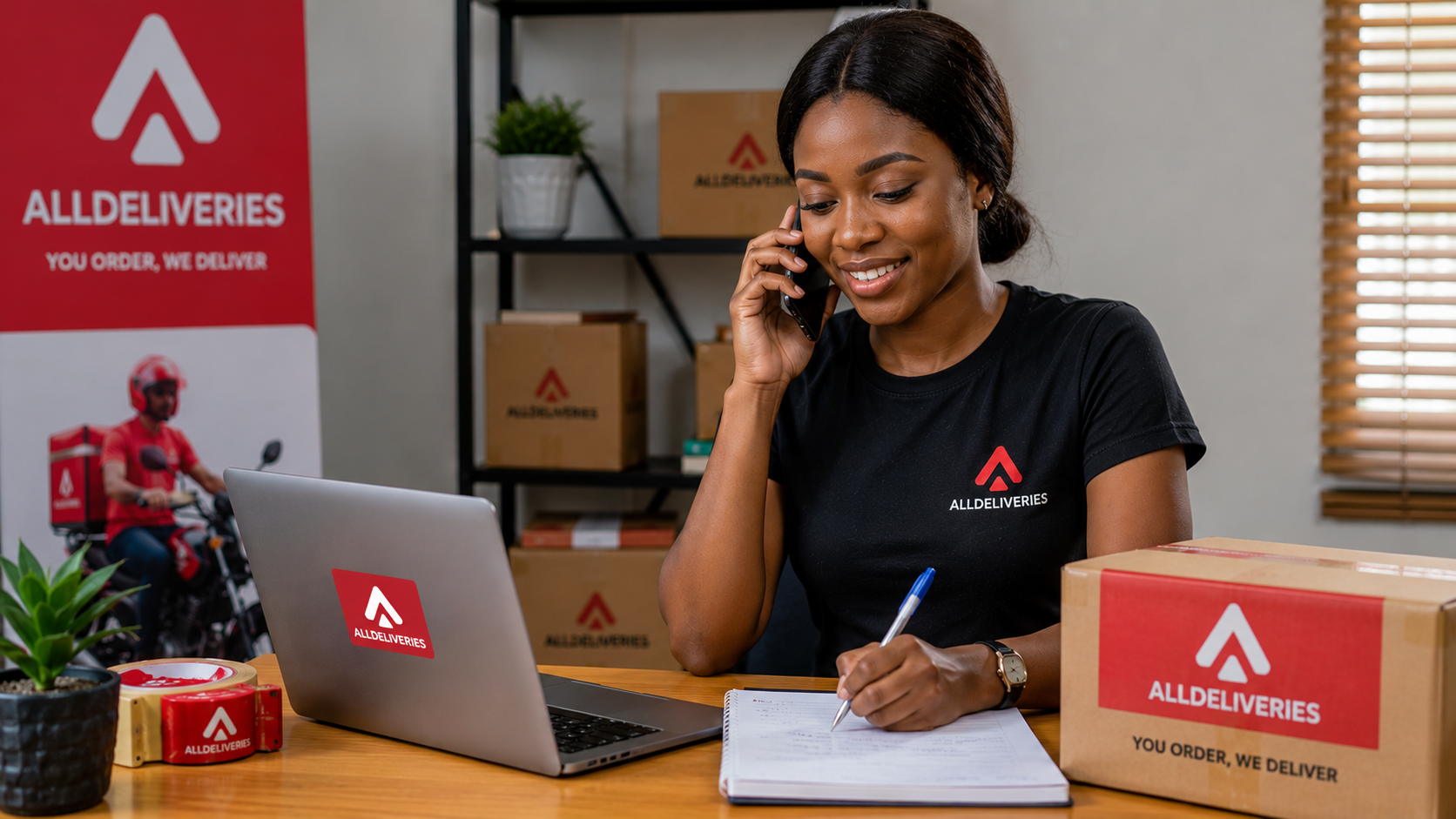
For online businesses, logistics is even more important because customers expect their orders to arrive safely and within the promised timeframe. However, Nigerian businesses can face several challenges that make the movement of goods more difficult and expensive.
Transportation costs, traffic congestion, inadequate infrastructure, difficult-to-locate addresses, delays, failed deliveries, and supply chain disruptions can all affect business operations.
Services You May Like
Understanding these challenges can help businesses develop practical strategies for improving their logistics processes and providing better service to customers.
1. High Transportation Costs
Transportation is a major expense for many Nigerian businesses.
The cost of moving products can be affected by factors such as:
- Fuel expenses.
- Distance.
- Vehicle maintenance.
- Delivery volume.
- Road conditions.
- Package size and weight.
High transportation costs can reduce profit margins, particularly for small businesses that have limited operating budgets.
Businesses can manage these costs by planning delivery routes carefully, comparing delivery providers, and grouping nearby deliveries where practical.
2. Traffic Congestion
Traffic congestion can significantly affect the movement of goods, especially in major commercial cities.
A delivery that should take a relatively short time can become much longer when roads are congested. This can delay customers and increase fuel consumption.
Businesses can reduce the impact of traffic by:
- Planning routes in advance.
- Allowing extra time for busy periods.
- Monitoring traffic conditions.
- Using appropriate delivery vehicles.
- Providing realistic delivery estimates.
Good planning can make delivery schedules more manageable even when traffic conditions are unpredictable.
3. Poor Road Conditions
Road conditions can affect both delivery times and transportation costs.
Damaged roads, potholes, unpaved routes, and difficult-to-access areas can slow down vehicles and increase wear and tear.
For businesses, this may result in:
- Longer delivery times.
- Higher maintenance costs.
- Increased fuel consumption.
- Greater risk of product damage.
- Difficulty reaching certain locations.
Businesses should consider road accessibility when planning routes and choosing suitable delivery vehicles.
4. Difficult-to-Locate Addresses
Not every delivery location is easy to find.
Some customers may provide incomplete addresses or locations that are better identified using nearby landmarks rather than formal street details.
This can cause delivery personnel to spend additional time searching for the destination.
Businesses can reduce this problem by collecting:
- Complete addresses.
- Customer phone numbers.
- Area or neighbourhood names.
- Estate or building names.
- Nearby landmarks.
- Clear directions.
Confirming difficult addresses before dispatch can help prevent unnecessary delays.
5. Failed Deliveries
A delivery can fail for several reasons.
The customer may be unavailable, the phone number may be unreachable, the address may be incorrect, or the delivery location may be difficult to access.
Failed deliveries can increase costs because the business or courier may need to make another trip.
To reduce failed deliveries:
- Confirm customer information before dispatch.
- Communicate the expected delivery period.
- Contact customers when necessary before arrival.
- Have a clear process for rescheduling unsuccessful deliveries.
- Confirm difficult locations in advance.
6. Unreliable Delivery Services
A business can experience logistics problems if its delivery partner is unreliable.
Repeated delays, poor communication, inadequate package handling, or limited delivery coverage can negatively affect the customer experience.
When selecting a logistics provider, businesses should consider:
- Reliability.
- Delivery coverage.
- Tracking.
- Customer support.
- Package handling.
- Delivery speed.
- Pricing.
The cheapest provider may not always offer the best value if poor service results in complaints and lost customers.
7. Delayed Order Processing
Logistics problems can begin before a package leaves the business.
Poor inventory management, slow order preparation, or disorganised dispatch procedures can delay orders.
Businesses can improve their internal logistics by:
- Organising inventory.
- Processing orders promptly.
- Preparing frequently ordered products efficiently.
- Checking orders before dispatch.
- Establishing a clear handover process for delivery personnel.
A faster internal process can help reduce the total time between order placement and delivery.
8. Product Damage During Transportation
Products can be damaged when they are not packaged appropriately or are handled poorly during transportation.
Common problems include:
- Broken containers.
- Scratched products.
- Crushed packages.
- Leaking goods.
- Damaged electronic devices.
Businesses should choose packaging based on the product's weight, size, fragility, and transportation requirements.
Fragile products may require additional cushioning, while heavy products may require stronger packaging.
9. Poor Inventory Management
Logistics and inventory management are closely connected.
If a business does not know what products are available, it may accept orders for items that are out of stock or struggle to locate products that have already been sold.
Poor inventory management can lead to:
- Order cancellations.
- Dispatch delays.
- Incorrect orders.
- Customer complaints.
- Increased operational costs.
Maintaining accurate inventory records can make order fulfilment more efficient.
10. Long Delivery Distances
Businesses serving customers across different parts of Nigeria may have to transport products over significant distances.
Long-distance deliveries can involve additional transportation time, higher costs, and more opportunities for delays or handling issues.
Businesses should provide realistic delivery estimates and choose delivery methods that are appropriate for the destination and product.
For valuable or fragile items, additional packaging and shipment protection may also be appropriate.
11. Poor Communication
Communication is an important part of logistics.
Customers can become frustrated when they do not know whether an order has been processed, dispatched, delayed, or delivered.
Businesses should provide relevant updates throughout the delivery process.
Useful communication may include:
- Order confirmation.
- Dispatch notification.
- Delivery estimate.
- Delay notification.
- Tracking information where available.
- Delivery confirmation.
Good communication can help customers understand what is happening with their orders.
12. Limited Shipment Tracking
Without tracking, it can be difficult for businesses and customers to know where an order is during transportation.
Tracking can provide useful information about the progress of a shipment and make it easier to investigate delays.
For valuable or time-sensitive shipments, tracking can be particularly useful.
Businesses should consider delivery providers that offer appropriate tracking options for their needs.
13. Weather-Related Disruptions
Weather conditions can affect transportation and delivery operations.
Heavy rainfall and flooding can make some roads difficult to use and may increase travel times.
Businesses can prepare by:
- Using suitable waterproof packaging.
- Monitoring weather conditions.
- Allowing additional time when necessary.
- Communicating significant delays.
- Protecting moisture-sensitive products.
A flexible delivery plan can help businesses respond to weather-related disruptions.
14. Rising Operating Costs
Logistics involves more than the cost of transporting a single package.
Businesses may also have expenses related to:
- Vehicle maintenance.
- Fuel.
- Packaging materials.
- Storage.
- Staff.
- Returns.
- Failed deliveries.
When these costs increase, businesses may need to review their logistics processes to identify unnecessary expenses.
Efficient route planning, better inventory management, and appropriate delivery partnerships can help control operating costs.
15. Managing Returns
Returns can create additional logistics work for businesses.
When a customer returns a product, the business may need to arrange transportation back to its location, inspect the item, process the return, and possibly send another product.
Businesses should establish a clear return process that explains:
- Return conditions.
- Eligible products.
- Return timeframes.
- Return procedures.
- Delivery responsibilities.
A clear system can reduce confusion and make returns easier to manage.
16. Difficulty Scaling Delivery Operations
A delivery system that works for a small number of daily orders may become inefficient when order volume increases.
As a business grows, it may need better systems for:
- Order processing.
- Inventory management.
- Route planning.
- Customer communication.
- Courier coordination.
- Tracking.
Businesses should gradually improve their logistics processes as order volume grows rather than waiting until existing systems become overwhelmed.
Common Logistics Mistakes Nigerian Businesses Should Avoid
Businesses should avoid:
- Choosing delivery providers based only on price.
- Using poor-quality packaging.
- Failing to confirm customer addresses.
- Ignoring transportation costs.
- Making unrealistic delivery promises.
- Keeping inaccurate inventory records.
- Failing to communicate delays.
- Ignoring failed delivery patterns.
- Using inefficient delivery routes.
- Not having a clear process for returns.
Avoiding these mistakes can help businesses reduce unnecessary costs and provide a more reliable service.
Benefits of Improving Logistics Operations
Lower Operating Costs
Better planning can help businesses reduce unnecessary transportation, packaging, and delivery expenses.
Faster Order Fulfilment
Efficient processes can reduce the time between receiving an order and delivering it.
Fewer Delivery Problems
Accurate information, appropriate packaging, and reliable delivery partners can reduce common logistics issues.
Higher Customer Satisfaction
Customers are more likely to be satisfied when their orders arrive safely and within the expected timeframe.
More Repeat Customers
A smooth logistics experience can encourage customers to continue buying from the business.
Final Thoughts
Logistics can be challenging for Nigerian businesses because several factors can affect the movement of goods, from transportation costs and traffic congestion to road conditions, difficult addresses, failed deliveries, and supply chain disruptions.
However, businesses can manage many of these challenges through better planning and organisation.
Using appropriate packaging, maintaining accurate inventory records, confirming customer information, choosing reliable delivery partners, planning routes efficiently, and communicating clearly can make logistics operations more effective.
As a business grows, its logistics system should grow with it. Investing in better processes can reduce unnecessary costs, improve delivery performance, and create a more dependable experience for customers.
Good logistics is not simply about moving products from one location to another. It is about making sure the right product reaches the right customer, in the right condition, at the expected time.
Comments
No comments yet. Be the first to comment.