Fast delivery is important to both customers and businesses. When people place an order, they generally expect it to arrive within the promised timeframe. However, getting products from a business to the customer quickly involves more than transportation. Where products are stored and how they are prepared for delivery can also have a major impact on delivery speed.
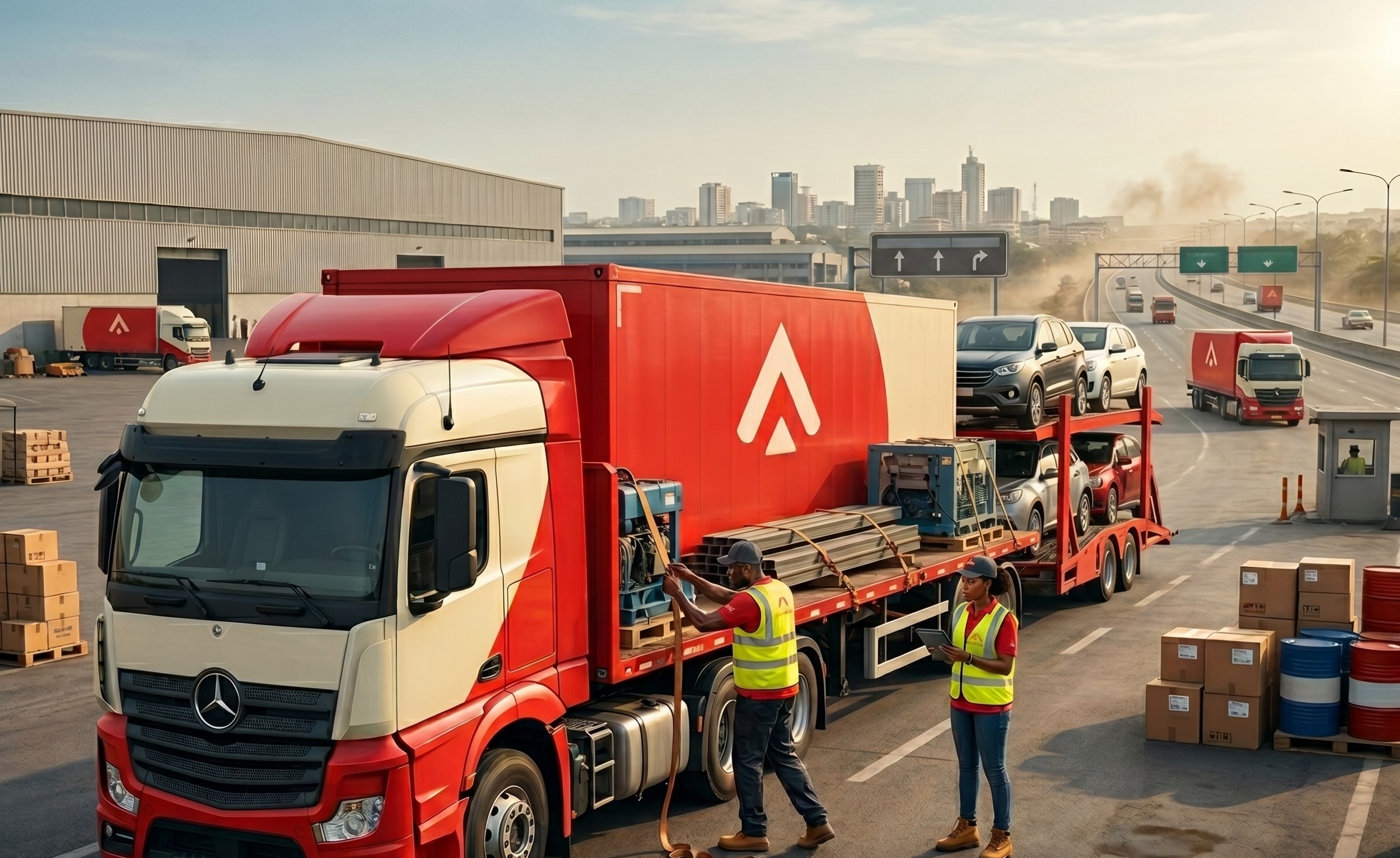
This is where warehousing becomes important. A well-organised warehouse allows businesses to store products properly, manage inventory, prepare orders quickly, and send them to customers without unnecessary delays.
For businesses in Nigeria, effective warehousing can make delivery operations more efficient, especially when customers are located in different cities or regions. Understanding how warehousing improves delivery speed can help businesses make better decisions about storage, order fulfilment, and distribution.
Services You May Like
1. What Is Warehousing and Why Does It Matter?
Warehousing is the process of storing goods in a designated facility before they are sold, distributed, or delivered to customers. A warehouse may be used to receive products from suppliers, organise inventory, prepare customer orders, and support distribution.
Warehousing is not simply about keeping products in a building. A properly managed warehouse helps businesses control their stock, prepare orders efficiently, and move products towards customers faster.
2. How Does Warehousing Affect Delivery Speed?
The location and organisation of a warehouse can directly affect how quickly an order reaches a customer. When products are stored close to the areas where they are needed, delivery distances can be reduced.
An organised warehouse also makes it easier for workers to find, pick, pack, and dispatch products. This reduces the time spent processing each order before it is handed over to a delivery company.
3. Keeping Products Available and Ready for Delivery
One of the main benefits of warehousing is that products can be kept ready for customer orders. Instead of waiting for products to arrive from a supplier every time an order is received, businesses can keep commonly purchased items in stock.
This allows orders to move directly from storage to processing and then to delivery. Accurate inventory records also help businesses know what is available and when more stock needs to be ordered.
4. Faster Picking, Packing and Order Processing
Order processing can become a major source of delay when inventory is poorly organised. Workers may spend too much time searching for products, confirming stock levels, or looking for packaging materials.
A well-organised warehouse places products in logical locations and keeps necessary packaging materials available. This allows workers to pick products, check orders, pack them properly, and prepare them for dispatch more quickly.
5. Strategic Warehouse Locations Reduce Delivery Time
Where a warehouse is located can make a significant difference to delivery times. Businesses serving customers in different parts of Nigeria may choose warehouse locations that provide easier access to their major customer markets.
For example, a business serving customers across several regions may use more than one storage location instead of sending every order from a single distant warehouse.
Shorter delivery distances can reduce transportation time and make deliveries more efficient.
6. Warehousing Supports Bulk Orders and Busy Periods
Businesses that receive many orders at once need systems that can handle large volumes efficiently. A properly managed warehouse can process multiple orders without allowing every order to become a separate source of delay.
This is especially useful during busy periods when order volumes increase. Organised storage, clear picking processes, and adequate staff can help businesses maintain faster fulfilment even when demand is high.
7. Warehousing Reduces Delivery Errors
Delivery delays do not always happen because of transportation. Incorrect products, missing items, or poorly prepared orders can also cause problems.
Proper warehouse procedures allow workers to confirm products, quantities, addresses, and packaging before orders are dispatched. This reduces the risk of sending incorrect or incomplete orders and having to arrange another delivery.
8. Technology Improves Warehouse Efficiency
Technology can improve the way products are received, stored, tracked, picked, and dispatched.
Businesses may use inventory management software, barcode systems, scanners, and other digital tools to track stock and locate products more quickly.
Better information reduces manual errors and helps warehouse workers process orders more efficiently. It also makes it easier for businesses to monitor stock levels and plan replenishment.
9. Warehousing Improves Coordination With Delivery Companies
A warehouse is often the point where completed orders are handed over to a courier or logistics provider.
When orders are properly prepared and organised before collection, delivery companies can collect them more efficiently. Clear information about packages, destinations, and quantities can also reduce confusion during dispatch.
Good coordination between the warehouse and delivery provider helps orders move smoothly from storage to transportation.
10. Warehousing Helps Manage Returns
Returns are another part of delivery operations that businesses need to manage properly. Returned products may need to be inspected, stored, replaced, or prepared for resale.
A warehouse can provide a dedicated process for handling returned goods. This prevents returned products from becoming mixed with normal inventory and helps businesses process replacement orders more efficiently.
11. Warehousing Supports Faster Delivery Options
Same-day and next-day delivery require businesses to process and dispatch orders quickly. Warehousing can support these services by keeping products close to customers and creating efficient fulfilment processes.
When an order is received, workers can quickly locate the product, package it, and hand it over for delivery.
However, delivery speed also depends on factors such as the delivery location, order time, traffic, weather, and the capabilities of the delivery provider.
12. Warehousing Improves the Customer Experience
Customers may not see what happens inside a warehouse, but warehouse operations can have a direct effect on their experience.
When products are available, orders are processed quickly, and the correct items are dispatched on time, customers are more likely to receive their purchases within the expected timeframe.
Consistent delivery performance can improve customer satisfaction and encourage repeat purchases.
Common Warehousing Mistakes to Avoid
Businesses should avoid common warehouse problems that can slow down delivery, including:
-
Poor organisation of products
-
Incorrect inventory records
-
Storing popular products in difficult-to-reach areas
-
Running out of packaging materials
-
Delaying order processing
-
Failing to check orders before dispatch
-
Poor communication with delivery companies
-
Mixing returned products with available stock
-
Relying entirely on manual inventory records
-
Choosing warehouse locations without considering customer demand
Benefits of Efficient Warehousing
Faster Order Processing
A well-organised warehouse allows products to be picked, packed, checked, and prepared for dispatch more quickly.
Reduced Delivery Delays
Strategic warehouse locations and efficient fulfilment processes can reduce unnecessary waiting and transportation time.
Better Inventory Control
Accurate stock records help businesses know what is available and prevent avoidable order problems.
Fewer Delivery Errors
Proper organisation and order checks reduce the risk of sending incorrect or incomplete orders.
Improved Customer Experience
When orders are processed and dispatched efficiently, customers are more likely to receive their purchases within the expected timeframe.
Final Thoughts
Warehousing plays an important role in improving delivery speed. Although transportation is responsible for moving products to customers, the process starts much earlier with how goods are received, stored, organised, picked, packed, and prepared for dispatch.
For businesses in Nigeria, an efficient warehouse can reduce order processing time, improve inventory management, support regional distribution, and make it easier to work with delivery companies.
Businesses do not necessarily need large warehouses to improve delivery speed. What matters most is having suitable storage, accurate inventory records, organised processes, and a warehouse location that supports the needs of the business and its customers.
When warehousing and delivery operations work together effectively, businesses can fulfil orders faster, reduce avoidable delays, and provide a more reliable experience for their customers.
Comments
No comments yet. Be the first to comment.