Every delivery comes with some level of risk. Packages can be delayed, damaged, delivered to the wrong address, or returned when the recipient cannot be reached. While not every delivery problem can be prevented, careful planning can significantly reduce the chances of something going wrong.
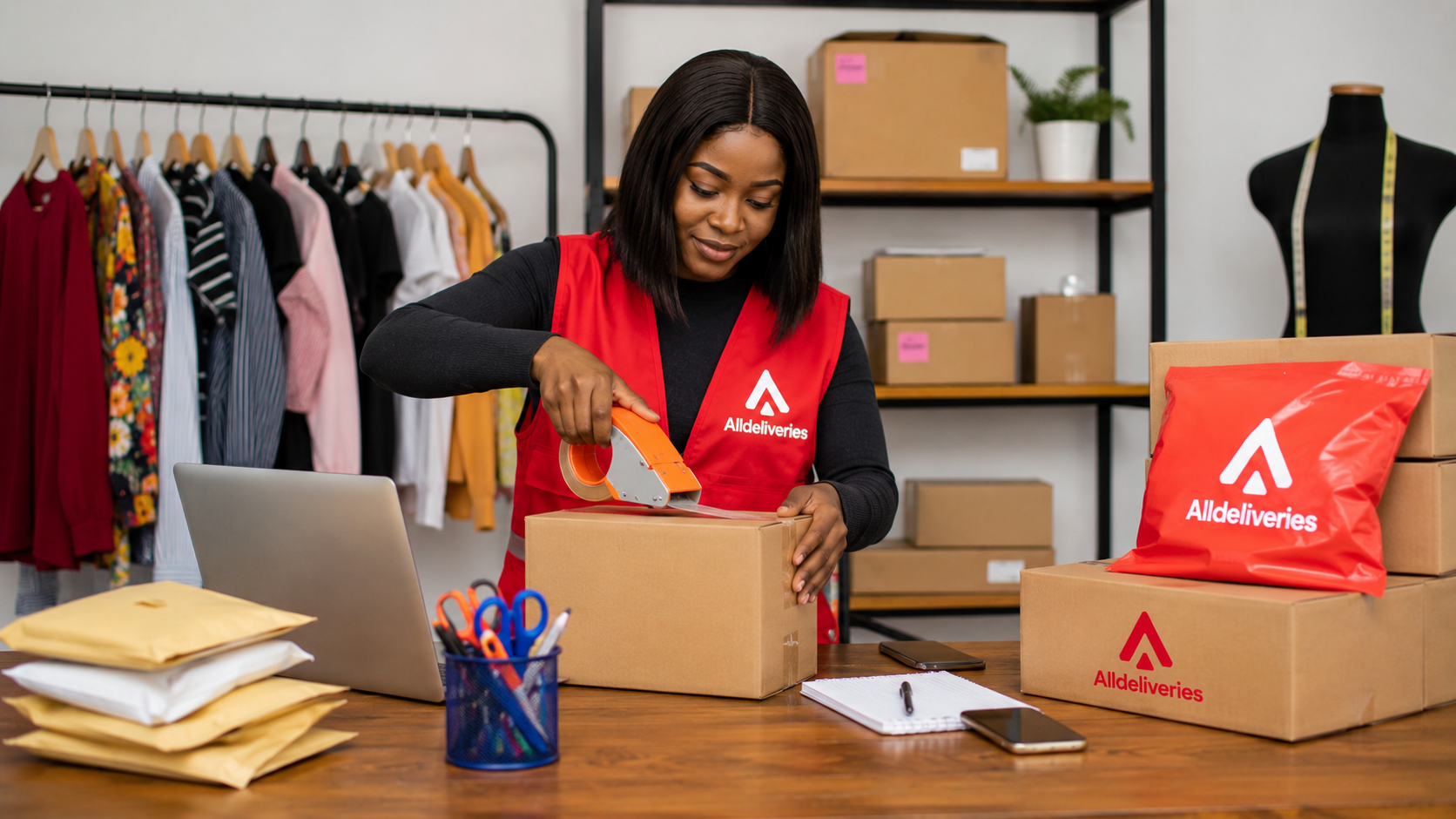
Businesses and individuals can take practical steps before, during, and after a delivery to protect their packages and improve the chances of successful delivery.
For customers and businesses in Nigeria, where traffic, difficult-to-locate addresses, weather conditions, and other logistical challenges can affect deliveries, preparing properly is particularly important.
Services You May Like
Understanding the common risks involved in delivery and knowing how to manage them can help reduce unnecessary delays, losses, additional costs, and customer complaints.
1. Provide Accurate Delivery Information
One of the simplest ways to reduce delivery risks is to provide accurate information from the beginning.
Incorrect names, phone numbers, house numbers, street names, or locations can make it difficult for couriers to complete deliveries.
Before a package is dispatched, check that all relevant information is correct and complete.
2. Use Secure Packaging
Proper packaging can reduce the risk of products being damaged during transportation.
The packaging should be appropriate for the size, weight, and nature of the item. Packages should also be properly sealed so that their contents remain secure while being handled and transported.
Using suitable packaging materials can provide additional protection against common handling risks.
3. Protect Fragile Items Properly
Fragile products require extra care during delivery.
Items such as glassware, electronics, ceramics, and other delicate goods can be damaged if they move around inside a package or are not adequately protected.
Customers and businesses should use suitable cushioning and protective materials where necessary and inform the courier about relevant handling requirements.
4. Confirm the Recipient's Phone Number
A working phone number can make communication during delivery much easier.
Couriers may need to contact recipients to confirm directions, announce their arrival, or resolve an issue with the delivery location.
Always check that the phone number provided is correct and active before the package is sent.
5. Provide Clear Directions
Some delivery addresses can be difficult to locate, particularly in areas with similar street names or locations that are not easily identified.
Providing useful directions can reduce the risk of failed deliveries.
Customers can include:
- Nearby landmarks.
- Estate or building names.
- Gate numbers.
- Apartment or office details.
- Directions from a recognisable location.
- Other useful information that can help identify the destination.
6. Verify the Package Before Dispatch
A package should be checked before it leaves the sender's possession.
Businesses should confirm that the correct product, quantity, size, colour, or variation has been included. Individuals should also check that the intended item and any necessary documents are inside.
A simple verification process can prevent wrong or incomplete deliveries.
7. Choose a Suitable Delivery Service
The right delivery service depends on the needs of the shipment.
Consider factors such as:
- Delivery speed.
- Distance.
- Package size.
- Item type.
- Destination.
- Cost.
- Required handling or delivery conditions.
Choosing a service that matches the package and delivery requirements can reduce avoidable risks.
8. Check Courier Policies Before Sending
Different courier companies may have different rules concerning the items they accept, packaging requirements, delivery areas, delivery attempts, returns, and other conditions.
Customers and businesses should understand these requirements before handing over a package.
Checking the courier's policies in advance can prevent a shipment from being rejected or delayed because of an avoidable issue.
9. Keep the Recipient Informed
A recipient who does not know that a package is coming may not be available when the courier arrives.
Send the recipient relevant information about the delivery and, where possible, let them know when the package has been dispatched or is expected to arrive.
Good communication can reduce the risk of missed delivery attempts.
10. Monitor the Delivery
Tracking information can help customers and businesses stay informed about the progress of a shipment.
Monitoring a delivery may make it easier to identify delays, unsuccessful delivery attempts, or other issues before they become more difficult to resolve.
Businesses should also monitor important shipments rather than assuming that every package will arrive without problems.
11. Keep Communication Channels Open
Delivery problems are often easier to resolve when the sender, recipient, and courier can communicate quickly.
Customers should remain reachable when expecting an important package. Businesses should also respond promptly when couriers or customers request clarification.
Keeping communication channels open can help resolve address problems, delivery instructions, and other issues more efficiently.
12. Prepare for Possible Delays
Not every delivery will arrive exactly when expected.
Traffic, weather, operational problems, incorrect addresses, high delivery volumes, and other circumstances can affect delivery times.
Customers and businesses should allow reasonable time for deliveries and avoid making unrealistic assumptions about exact arrival times.
13. Use Appropriate Handling Instructions
Some packages require specific handling because of their contents.
Where the courier permits such instructions, businesses and customers should communicate relevant information clearly.
This can help the courier understand that an item requires additional care during transportation and handling.
14. Confirm Delivery Details Before Handover
Before a package is handed over to the courier, review the important details one more time.
Check the recipient's:
- Full name.
- Phone number.
- Delivery address.
- Building or apartment information.
- Special delivery instructions where applicable.
This final check can identify mistakes before the package begins its journey.
15. Keep Records of Important Deliveries
Keeping relevant delivery records can be useful when dealing with valuable or business-related shipments.
Depending on the circumstances, records may include order details, tracking information, dispatch information, receipts, or proof of delivery.
These records can help when a delivery needs to be investigated or when information must be confirmed later.
16. Have a Plan for Failed Deliveries
A failed delivery attempt does not always mean that a package is lost.
Businesses and customers should understand what happens if the recipient is unavailable, the address cannot be located, or the courier cannot complete the delivery.
Knowing whether another delivery attempt, collection, or return is possible can make it easier to respond quickly when a problem occurs.
17. Respond Quickly When Problems Occur
Waiting too long to address a delivery problem can make the situation more difficult.
If tracking information shows an issue or a courier reports an unsuccessful delivery attempt, contact the relevant party as soon as possible.
Quick communication can help prevent unnecessary delays and may reduce the chance of the package being returned.
18. Work With Reliable Delivery Partners
Businesses that regularly send packages should carefully consider the delivery companies they work with.
A suitable delivery partner should have processes for handling shipments, communicating delivery updates, addressing failed attempts, and resolving delivery problems.
Businesses should also review their delivery experience over time and identify recurring issues that may require attention.
Common Delivery Risks to Avoid
Customers and businesses should avoid:
- Providing incorrect delivery information.
- Using weak or unsuitable packaging.
- Failing to protect fragile items.
- Providing an inactive phone number.
- Giving unclear delivery directions.
- Sending the wrong product or incomplete order.
- Choosing an unsuitable delivery service.
- Ignoring courier policies.
- Failing to inform the recipient.
- Ignoring tracking updates.
- Being unreachable during an important delivery.
- Making unrealistic delivery promises.
- Failing to keep delivery records where necessary.
- Waiting too long to respond to delivery problems.
- Assuming every delivery problem will resolve automatically.
Avoiding these mistakes can reduce the likelihood of delays, damage, failed deliveries, and other common delivery problems.
Benefits of Reducing Delivery Risks
Fewer Failed Deliveries
Accurate information, clear directions, and good communication can help couriers complete deliveries successfully on the first attempt.
Better Package Protection
Proper packaging and appropriate handling can reduce the risk of products being damaged during transportation.
Lower Delivery Costs
Reducing failed attempts, returns, damaged products, and other preventable problems can help customers and businesses avoid unnecessary expenses.
Improved Customer Satisfaction
Customers are more likely to have a positive experience when their packages arrive safely and within the expected delivery period.
Better Business Operations
For businesses, an organised delivery process can make it easier to monitor orders, manage customer expectations, and resolve problems when they occur.
Final Thoughts
Delivery risks cannot always be eliminated, but many of them can be reduced through proper preparation and communication.
Providing accurate customer information, using suitable packaging, protecting fragile items, choosing the right delivery service, and monitoring shipments can all contribute to a safer and more reliable delivery process.
For customers and businesses in Nigeria, paying attention to delivery details is particularly useful when sending packages between different locations or to addresses that may be difficult to identify.
Businesses should also have clear processes for checking orders, communicating with customers, monitoring deliveries, and responding to failed delivery attempts.
By taking these practical steps before and during delivery, customers and businesses can reduce avoidable risks, minimise delays, protect their packages, and create a better delivery experience.
Comments
No comments yet. Be the first to comment.