Preparing a package properly is an important part of the delivery process. Whether you are sending an item to a friend, shipping a customer's order, or running an online business in Nigeria, good preparation can help protect the package from damage, delays, and other delivery problems.
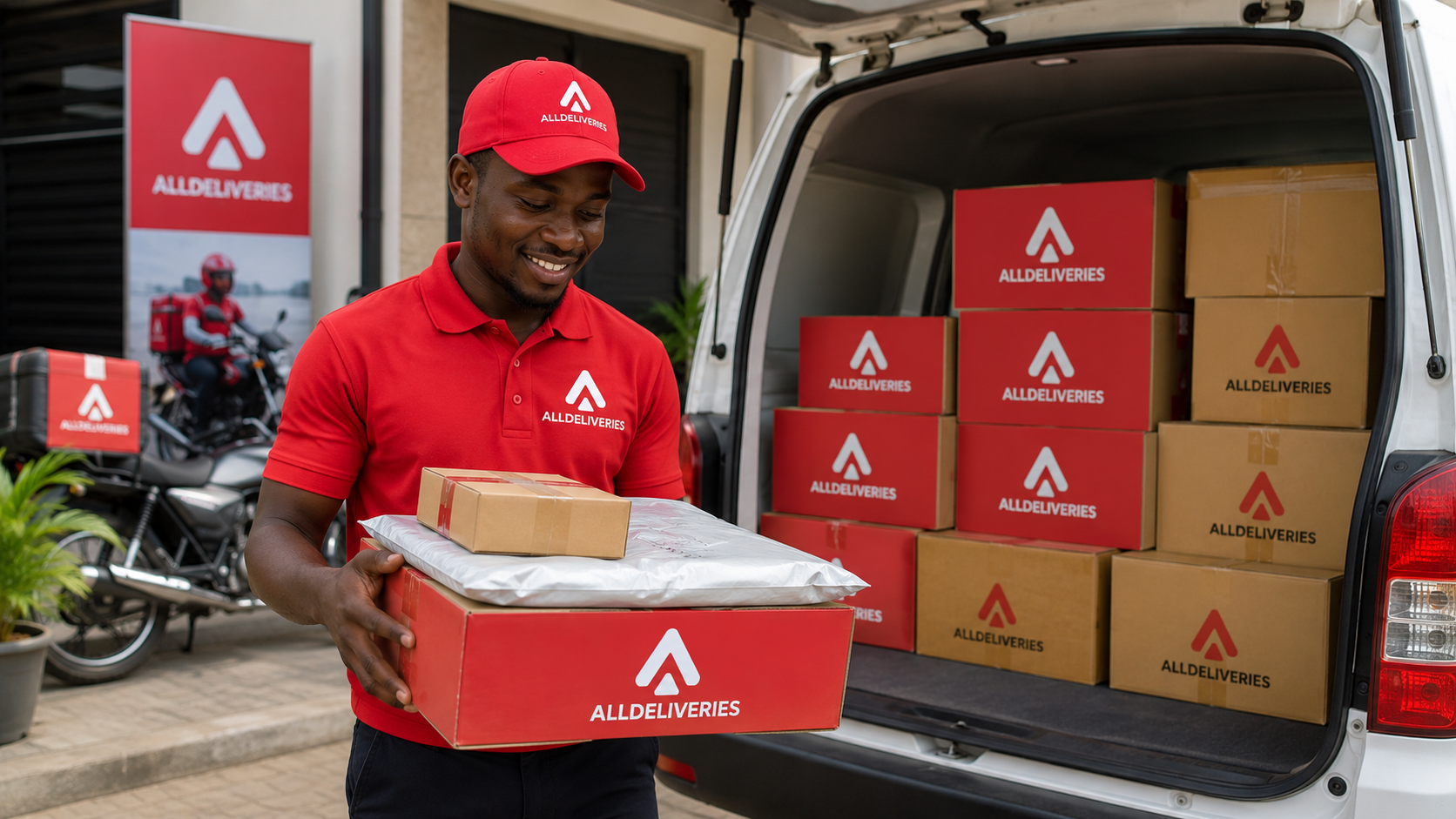
A package may pass through several stages and be handled by different people before it reaches its destination. Without appropriate protection, items can become damaged, exposed to moisture, or misplaced during transportation.
Taking time to prepare your package correctly can make delivery safer, more efficient, and more reliable.
Services You May Like
1. Choose Packaging That Suits the Item
Start by selecting packaging that is appropriate for what you are sending.
Consider the item's:
- Size.
- Weight.
- Shape.
- Fragility.
- Value.
- Sensitivity to moisture or impact.
Lightweight clothing may only need a durable mailer, while electronics, glassware, and other fragile products may require a strong box and additional cushioning.
Avoid using packaging that is damaged or too weak for the contents.
2. Inspect the Item Before Packing
Check the item carefully before placing it inside the package.
Make sure:
- The item is in good condition.
- The correct product is being sent.
- All required accessories are included.
- The item is clean where appropriate.
- There are no visible defects that should be documented.
For business orders, this step can help prevent customers from receiving incorrect or incomplete products.
3. Wrap Fragile Items Carefully
Fragile items need additional protection because they can be damaged by drops, pressure, or impacts during transportation.
Depending on the product, you may use:
- Bubble wrap.
- Foam.
- Packing paper.
- Protective sleeves.
- Suitable inserts.
Wrap delicate items individually where necessary and provide additional protection around vulnerable areas.
4. Prevent Movement Inside the Package
An item that moves freely inside a box is more likely to be damaged during transportation.
Use appropriate cushioning material to fill suitable empty spaces around the product.
Before sealing the package, gently check whether the contents move excessively. If they do, add more appropriate internal protection.
The aim is to keep the item secure without applying unnecessary pressure.
5. Protect Items From Moisture
Rain and moisture can damage certain products during delivery.
Items that may require additional protection include:
- Clothing.
- Documents.
- Books.
- Electronics.
- Paper products.
Depending on the item, use suitable moisture-resistant inner packaging before placing it inside the outer package.
6. Use a Strong Outer Package
The outer packaging provides protection against normal handling during transportation.
Choose a box or mailer that is strong enough for the item.
Avoid packages that are:
- Torn.
- Wet.
- Crushed.
- Weak.
- Previously damaged.
For heavy or fragile products, use packaging designed to provide sufficient structural support.
7. Select the Right Package Size
The package should be large enough to accommodate the item and its protective materials without being unnecessarily oversized.
A package that is too large can allow excessive movement, while one that is too small may put pressure on the contents.
Choose a size that provides enough room for appropriate cushioning and protection.
8. Separate Multiple Items
If you are sending several products in one package, consider whether they need to be individually wrapped or separated.
This is particularly important for fragile items.
Use appropriate dividers, wrapping, or protective inserts to prevent products from hitting one another during transportation.
9. Secure the Package Properly
Once the item has been packed, close the package securely.
Use suitable packing tape and make sure the main openings are completely sealed.
Check that:
- The top is securely closed.
- The bottom is properly sealed.
- There are no exposed openings.
- The package cannot easily open during handling.
Heavy packages may require additional reinforcement because their weight places greater pressure on the packaging.
10. Label the Package Clearly
Make sure the delivery information can be easily identified.
Depending on the delivery provider, you may need to include or attach:
- Recipient's name.
- Phone number.
- Delivery address.
- Sender's details.
- Tracking or shipment information.
Follow the delivery provider's labeling requirements and make sure important information is not covered by tape or other packaging materials.
11. Provide Accurate Delivery Details
An incomplete address can cause delays or failed deliveries.
Provide the recipient's:
- Full name.
- Active phone number.
- House or building number.
- Street name.
- Area or neighbourhood.
- City or town.
- State.
- Useful landmark or directions where necessary.
This is especially important when sending packages to locations where addresses may be difficult to identify.
12. Check the Delivery Provider's Requirements
Before dispatching the package, check the delivery provider's rules.
Confirm:
- Maximum weight.
- Size limits.
- Accepted items.
- Restricted items.
- Prohibited items.
- Special handling requirements.
Some products may have specific transportation requirements, so do not assume that every item can be shipped in the same way.
13. Weigh and Measure the Package
If the delivery provider calculates charges based on package weight or dimensions, make sure the information you provide is accurate.
After the package is completely packed and sealed, check its:
- Weight.
- Length.
- Width.
- Height.
Accurate measurements can help prevent unexpected charges or problems when the package is handed over.
14. Consider the Delivery Distance
Think about how far the package will travel before choosing the level of protection it needs.
A package traveling across a short distance may experience different conditions from one being transported between different states.
Long-distance deliveries may require stronger packaging and additional cushioning, particularly for fragile or valuable items.
15. Add Appropriate Handling Labels
Some packages may benefit from handling instructions.
Depending on the contents, labels may include:
- Fragile.
- Handle With Care.
- Keep Dry.
- This Side Up.
These labels can provide useful guidance, but they should not be used as a substitute for proper packaging.
16. Take Photos Before Dispatch
For valuable or business shipments, consider taking photographs of the item and its packaging before handing it to the delivery provider.
Photos can help document:
- The condition of the product.
- The packaging method.
- The sealed package.
- Identifying details where appropriate.
Keep these records until the delivery has been completed.
17. Choose a Suitable Delivery Service
After preparing the package, select a delivery provider that is suitable for the shipment.
Consider:
- Delivery coverage.
- Reliability.
- Speed.
- Tracking.
- Package-handling practices.
- Customer support.
- Pricing.
The cheapest delivery option is not always the most suitable, especially when sending fragile or valuable items.
18. Keep Your Dispatch Information
After handing over the package, keep any receipt, booking confirmation, or tracking number provided by the delivery service.
This information can help you:
- Monitor the shipment.
- Confirm that the package was dispatched.
- Contact customer support.
- Investigate delays.
- Resolve delivery issues.
For businesses, keeping these records can also make order management easier.
Common Mistakes to Avoid When Preparing a Package
Avoid:
- Using weak or damaged packaging.
- Leaving fragile items without sufficient cushioning.
- Allowing products to move freely inside boxes.
- Using incomplete delivery addresses.
- Forgetting important accessories.
- Sealing packages poorly.
- Providing inaccurate weight or dimensions.
- Ignoring delivery provider restrictions.
- Failing to protect moisture-sensitive items.
- Discarding tracking or dispatch information too early.
Avoiding these mistakes can reduce the risk of damage, delays, and failed deliveries.
Benefits of Preparing Your Package Properly
Fewer Damaged Deliveries
Appropriate packaging helps protect products from impact, pressure, moisture, and movement.
Reduced Delivery Problems
Accurate addresses, correct package information, and proper sealing can reduce avoidable delivery issues.
Lower Replacement Costs
Preventing damage can reduce refunds, replacements, and other unnecessary expenses for businesses.
Better Customer Satisfaction
Customers are more likely to be satisfied when their orders arrive safely and in good condition.
Greater Trust
A properly prepared package gives customers confidence that their purchases are being handled professionally.
Final Thoughts
Preparing a package for delivery requires more than simply placing an item inside a box or bag. The packaging should match the product, provide adequate protection, and be securely sealed before dispatch.
Take time to inspect the item, protect fragile or moisture-sensitive products, prevent movement inside the package, provide accurate delivery information, and check the delivery provider's requirements.
For valuable shipments and business orders, keeping photographs and dispatch records can provide additional peace of mind.
A properly prepared package has a better chance of reaching its destination safely and on time, creating a smoother experience for both the sender and the recipient.
Comments
No comments yet. Be the first to comment.