A business receives eight orders before noon. Three customers are in nearby areas, two need urgent delivery, one package is fragile and the remaining orders can arrive the next day.
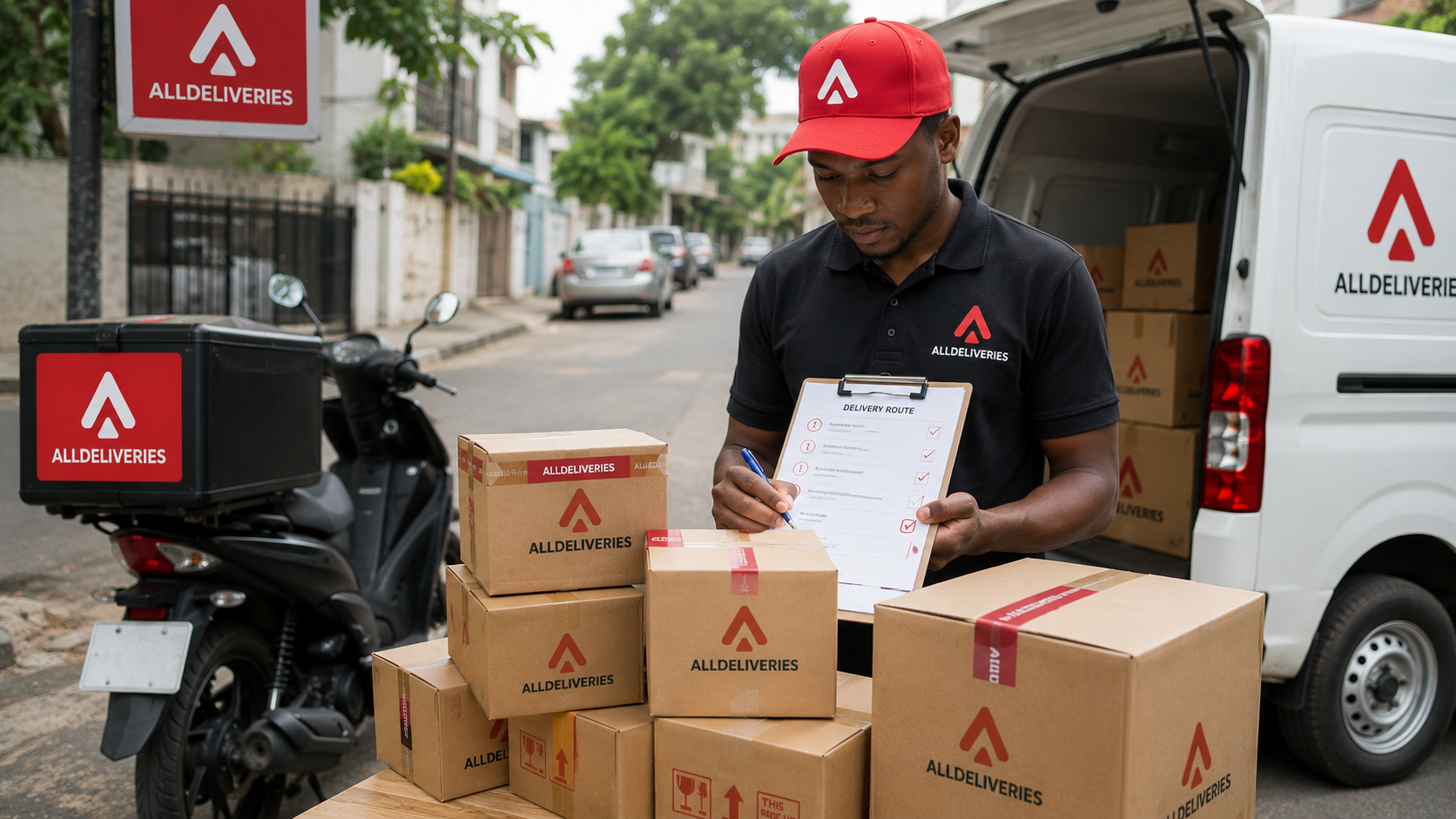
Without a clear plan, the business may send riders in different directions, pay more than necessary and still leave customers waiting. One urgent order may be placed behind a flexible delivery, while two nearby customers receive separate riders at almost the same time.
Handling multiple deliveries successfully is not simply about booking more riders. It requires proper preparation, realistic priorities and clear communication.
Services You May Like
A simple delivery plan can help your business save time, reduce costs and complete more orders without sacrificing customer satisfaction.
Prepare Every Order Before Planning the Route
Route planning becomes difficult when some packages are ready and others are still being packed.
Before arranging deliveries, confirm that each order has been paid for, checked, packaged and labelled correctly. Keep the customer’s address, phone number, landmark and preferred delivery time attached to the correct parcel.
Separate orders that are not yet ready instead of including them in the first pickup.
Businesses that organise orders early often dispatch faster. Read how fast order processing can increase business sales for practical ways to improve your workflow.
Once the packages are prepared, you can book a delivery through AllDeliveries based on the number of orders and their destinations.
Separate Urgent Orders From Flexible Deliveries
Not every customer needs immediate delivery.
Create simple categories such as:
1. Same-day urgent
2. Same-day flexible
3. Next-day delivery
4. Scheduled delivery
5. Nationwide delivery
A customer who paid for express delivery should not be delayed because another order was added to the route. At the same time, flexible orders going to nearby locations may be grouped where appropriate.
Understanding the difference between same-day and next-day delivery helps businesses avoid treating every order as an emergency.
Priority should be based on the promised timeline, product type and customer need—not simply the order in which names appear on a list.
Group Nearby Locations Carefully
Deliveries going to the same area may sometimes be handled together.
For example, if three customers are located within nearby neighbourhoods and have flexible delivery times, a properly planned route may reduce travel time and delivery expenses.
However, grouping orders should not create unreasonable delays. Consider:
1. Distance between customers
2. Traffic conditions
3. Promised delivery windows
4. Package size
5. Whether any item is fragile or perishable
6. How long the complete route may take
Efficient grouping can help reduce delivery costs without reducing service quality, but customer expectations must remain the priority.
Confirm Addresses Before the Rider Leaves
One incorrect address can disrupt the entire route.
If the rider spends thirty minutes searching for the first customer, every remaining delivery may arrive late. Confirm each address before dispatch and request a nearby landmark or location pin where necessary.
The customer should also confirm that someone will be available to receive the package.
Follow the steps in how to prevent wrong addresses from ruining deliveries before adding an order to a multi-stop route.
Print or write the delivery sequence clearly so the rider does not have to search through scattered chats while travelling.
Give Customers Realistic Time Windows
Avoid telling every customer that their order will arrive “soon.”
Customers on a multi-delivery route should receive a realistic time range. For example: “Your order is scheduled for delivery between 2 p.m. and 4 p.m.”
This is more useful than giving an exact time that may be affected by traffic, previous stops or customer availability.
When the rider is approaching, send another update. Clear communication is one reason businesses that communicate during delivery keep more customers.
Customers are usually patient when they know what to expect.
Keep Fragile and Sensitive Packages in Mind
The shortest route is not always the safest route.
Fragile, perishable or temperature-sensitive items may require direct delivery or special handling. They should not be placed beneath heavy packages or kept in transit longer than necessary.
Clearly identify any package that requires extra care and inform the rider before pickup.
The packaging should also be strong enough for the journey. Review how good packaging can save your business money before sending delicate products on a multi-stop route.
Review the Route After Delivery
After the orders are completed, check what happened.
Ask:
1. Which delivery took longer than expected?
2. Was any address difficult to locate?
3. Did customers receive updates?
4. Were any parcels returned?
5. Could nearby orders have been grouped differently?
6. Did the route reduce or increase costs?
These observations help improve future planning.
You can download the AllDeliveries mobile app to access delivery services conveniently from your phone.
For more practical logistics and business-growth guidance, visit the AllDeliveries Blog.
Frequently Asked Questions
What is delivery route planning?
It is the process of organising delivery stops, priorities and timelines before parcels are dispatched.
Should nearby customer orders always be grouped?
No. Group them only when the route will not delay urgent orders or affect package safety.
How should urgent orders be handled?
Identify them before dispatch and ensure they are prioritised according to the promised delivery time.
Can poor route planning increase delivery costs?
Yes. Repeated trips, unnecessary distance and failed delivery attempts can increase expenses.
What details should riders receive?
They should receive the customer’s name, complete address, active phone number, landmark, package instructions and delivery sequence.
Comments
No comments yet. Be the first to comment.