Packaging heavy items requires more care than packaging lightweight products. Heavy goods can place considerable pressure on boxes and other packaging materials during transportation. Without adequate protection, a package may break open, become difficult to handle, or cause damage to the product inside.
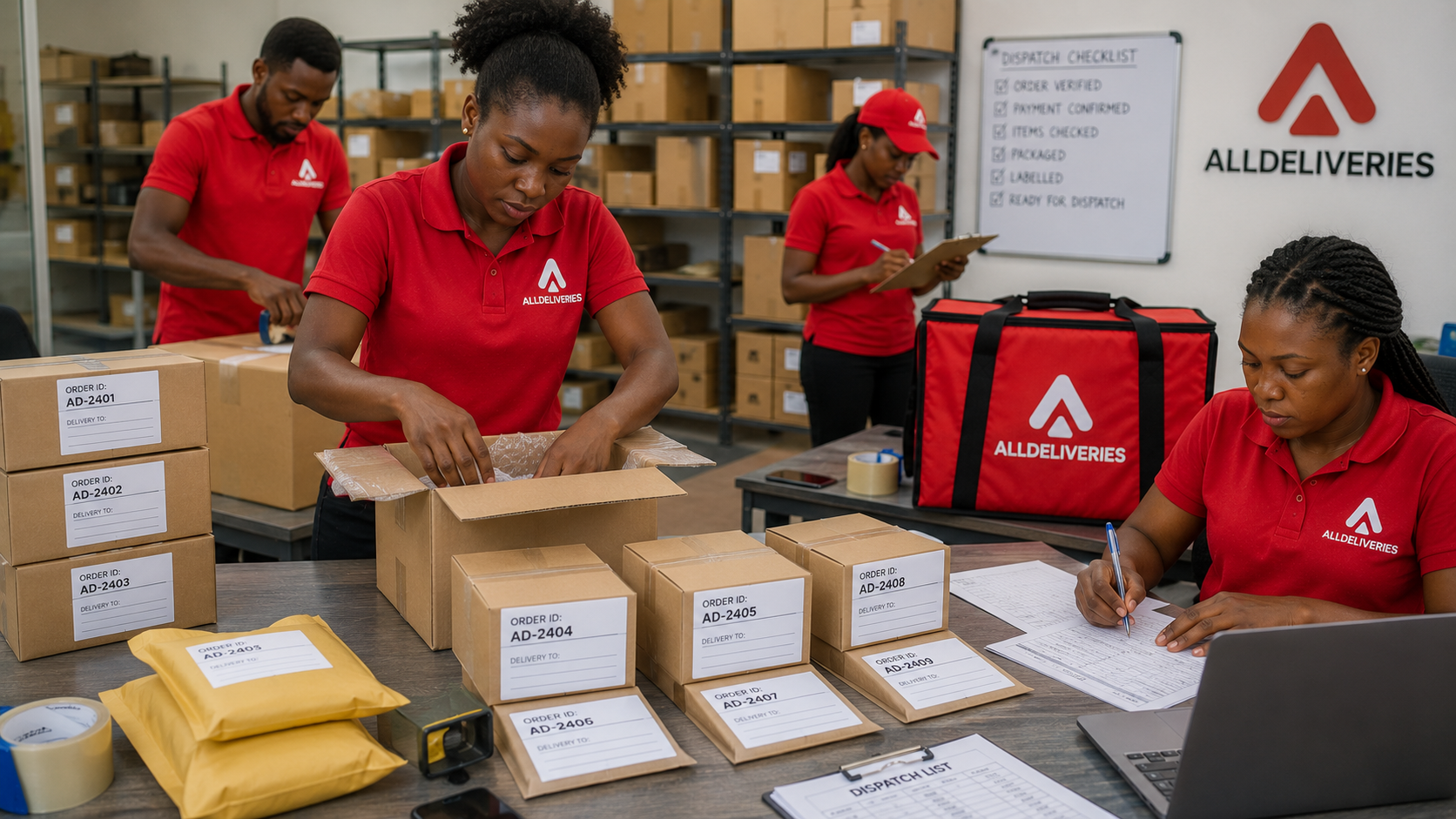
For businesses selling appliances, electronics, equipment, tools, furniture parts, and other heavy products, proper packaging is an important part of the delivery process. Good packaging protects the product, reduces the risk of damage, and makes transportation safer and more efficient.
Whether you are sending a heavy item to a customer in Lagos, Abuja, Port Harcourt, Kano, or another location in Nigeria, the packaging should be strong enough to withstand the conditions it may encounter during delivery.
Services You May Like
1. Choose a Strong Box
The first step is selecting packaging that can support the weight of the item.
Use a sturdy box that is appropriate for the product's size and weight. Avoid boxes that are torn, wet, crushed, or already weakened from previous use.
A box that is suitable for lightweight products may not be strong enough for a heavy item. If the product is particularly heavy, use packaging specifically designed to support heavier loads.
2. Select the Right Box Size
The box should be large enough to accommodate the product and the protective materials without leaving excessive empty space.
A box that is too large can allow the product to move during transportation. A box that is too small may make it difficult to add enough cushioning and can place unnecessary pressure on the product.
Choose a size that allows the item to fit securely while leaving enough room for suitable internal protection.
3. Reinforce the Bottom of the Box
The bottom of a package carries much of the product's weight, so it needs to be properly secured.
Use strong packing tape to reinforce the bottom seams before placing the item inside. Pay particular attention to the points where the box panels meet.
A properly reinforced bottom reduces the risk of the box opening or collapsing when it is lifted.
4. Distribute the Weight Properly
Place the item in a position that keeps its weight as evenly distributed as possible.
Avoid placing a heavy item against one side of the box or allowing its weight to rest on a weak section of the packaging.
Good weight distribution can make the package more stable and easier to handle during transportation.
5. Use Appropriate Internal Support
Heavy items may require internal supports to prevent them from shifting inside the box.
Depending on the product, you may use:
-
Foam supports.
-
Corrugated inserts.
-
Protective blocks.
-
Padded materials.
-
Purpose-designed internal supports.
The support should keep the product stable without placing excessive pressure on delicate components.
6. Prevent Movement Inside the Package
A heavy item moving inside a box can damage both the product and the packaging.
Fill suitable spaces around the item with protective materials so that it remains secure during transportation.
After packing the item, gently check whether it moves excessively. If it does, add or adjust the internal support before sealing the package.
7. Protect Fragile Parts
A product can be heavy while still containing delicate components.
Examples include:
-
Screens.
-
Glass panels.
-
Handles.
-
Buttons.
-
Control panels.
-
Cables.
-
Corners and edges.
Identify vulnerable areas before packaging and provide additional protection where necessary.
This is particularly important for heavy electronics, appliances, and equipment.
8. Wrap the Item Where Appropriate
Wrapping can provide an additional layer of protection against scratches, dust, and minor impacts.
Depending on the product, suitable materials may include:
-
Foam sheets.
-
Protective film.
-
Bubble wrap.
-
Corrugated material.
The wrapping should be suitable for the product's surface and should not create additional risks during transportation.
9. Consider Additional Protective Layers
Some heavy or valuable items may require more than one layer of packaging.
For example, the product can be protected inside an inner container before being secured within a stronger outer package.
Additional protection may be useful when an item is both heavy and fragile or when it will travel a long distance.
10. Seal the Package Securely
Heavy packages place more stress on their packaging, making secure sealing particularly important.
Use strong packing tape that is appropriate for the package and reinforce the main seams.
Before dispatch, check that:
-
The bottom is securely sealed.
-
The top is properly closed.
-
There are no open gaps.
-
The tape is firmly attached.
-
The box remains structurally sound.
11. Avoid Overloading One Package
Do not place more weight in a box than it can safely support.
If an order contains several heavy items, consider whether it would be safer to divide them into multiple packages.
Several properly packaged shipments may be easier and safer to handle than one excessively heavy package.
12. Check Weight and Dimensions
Know the final weight and dimensions of the packaged item before handing it to a delivery provider.
This information helps you select an appropriate delivery service and determine whether the shipment falls within the provider's weight and size limits.
Different delivery companies may have different requirements for heavy or oversized packages, so check the applicable terms before dispatch.
13. Make the Package Easier to Handle
Heavy packages should be prepared with handling in mind.
Depending on the item, suitable packaging may include:
-
Reinforced handles.
-
Stronger structural sections.
-
Pallets.
-
Appropriate straps.
Any handling feature should be designed or rated for the package's weight. Do not rely on makeshift handles or weak straps that could fail during lifting.
14. Protect Heavy Items From Moisture
Weight does not make a product immune to environmental damage.
Some heavy products, including metal equipment, electronics, and wooden components, may be affected by moisture.
Where necessary, use suitable moisture-resistant inner or outer packaging to provide additional protection during transportation.
15. Choose a Delivery Partner That Handles Heavy Shipments
Not every delivery service is equipped to transport heavy or oversized products.
When selecting a delivery provider, consider:
-
Weight limits.
-
Size restrictions.
-
Handling procedures.
-
Delivery coverage.
-
Tracking options.
-
Equipment available for heavy shipments.
-
Customer support.
Choose a provider that can safely accommodate the specific package you are sending.
16. Inspect the Item Before Dispatch
Perform a final inspection before handing the package to the delivery provider.
Check that:
-
The correct product is inside.
-
The item is in good condition.
-
All required accessories are included.
-
Protective materials are secure.
-
The package is properly sealed.
-
The customer's delivery details are correct.
-
The final package weight and dimensions are known.
This can help prevent avoidable problems after dispatch.
17. Test Your Packaging Method
If your business regularly ships heavy items, test your packaging process before using it for large numbers of orders.
Check whether:
-
The box remains structurally sound.
-
The product stays in position.
-
The bottom remains secure.
-
Fragile components remain protected.
-
The package can be handled safely.
Testing helps identify weaknesses and gives you an opportunity to improve the packaging process.
Common Mistakes When Packaging Heavy Items
Businesses should avoid:
-
Using weak boxes.
-
Reusing damaged packaging.
-
Failing to reinforce the bottom of the box.
-
Leaving the product loose inside the package.
-
Using insufficient internal support.
-
Overloading one box.
-
Ignoring fragile components.
-
Using unsuitable tape.
-
Exceeding the delivery provider's weight or size limits.
-
Failing to inspect the package before dispatch.
These mistakes can increase the risk of damaged products, failed deliveries, and unnecessary costs.
Benefits of Properly Packaging Heavy Items
Reduced Product Damage
Strong packaging and suitable internal support help protect products against movement and impact.
Fewer Returns and Replacements
Preventing damage can reduce refund and replacement requests.
Safer Handling
A properly prepared package is easier for delivery personnel to handle appropriately.
Lower Delivery Losses
Reducing damage can help businesses avoid unnecessary repair, replacement, and return costs.
Better Customer Satisfaction
Customers are more likely to be satisfied when heavy products arrive safely and in good condition.
Final Thoughts
Heavy items require packaging that can support their weight while protecting them from movement, impact, moisture, and other delivery risks.
Start with a strong box, reinforce the bottom, distribute the weight properly, secure the item with suitable internal support, and protect any fragile components. It is also important to check the final package weight and dimensions and choose a delivery partner that can handle the shipment safely.
For Nigerian businesses, this is especially important when sending heavy products across different cities and regions, where packages may experience varying handling and transportation conditions.
Proper packaging does more than protect a product. It reduces avoidable losses, improves delivery safety, and helps create a better experience for customers.
Comments
No comments yet. Be the first to comment.