A customer receives an order and asks to return it. Perhaps the size is wrong, the product arrived damaged or the item does not match what they expected.
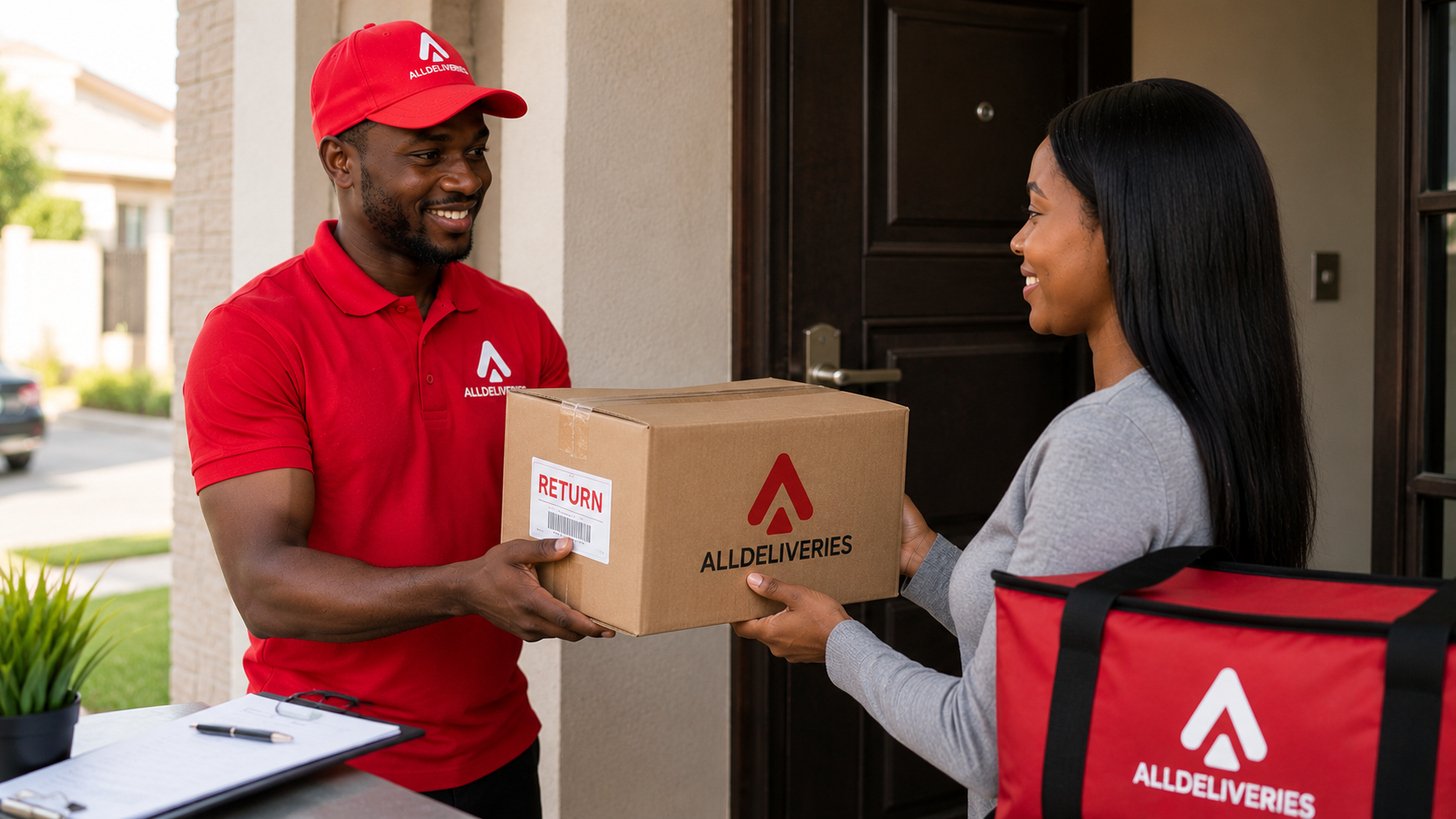
For many small businesses, this immediately creates tension. The owner worries about losing money, while the customer worries about being ignored. Without a clear process, a simple return can become an argument, negative review or permanent loss of trust.
Product returns are not always avoidable, especially for online businesses. However, a well-managed return process can protect your revenue, reduce confusion and show customers that your business is professional.
Services You May Like
Here is how to handle returns without allowing them to damage your relationship with customers.
Create a Clear Return Policy
Customers should know your return conditions before making payment.
Your policy should explain:
1. Which products can be returned
2. How many days customers have to report a problem
3. Whether opened or used products are accepted
4. Who pays the return delivery fee
5. Whether customers receive a refund, replacement or store credit
6. What evidence is required
Keep the language simple. Customers should not need legal knowledge to understand your rules.
Your return terms can be included in the same document as your delivery policy, so customers can review everything before ordering.
Ask Why the Product Is Being Returned
Do not approve or reject a return without first understanding the reason.
Ask the customer to explain the problem clearly and provide the order number, delivery date and photographs where necessary.
Common return reasons include:
1. Wrong product delivered
2. Incorrect size or colour
3. Product damaged in transit
4. Customer changed their mind
5. Item not matching the description
6. Incomplete order
The reason matters because different situations require different solutions.
A product damaged during delivery may require replacement, while a customer who simply changed their mind may need to follow a different return process.
Check the Product Before Approving a Refund
Refunds should not be issued based only on assumptions.
Where possible, inspect the returned item first. Confirm whether it is unused, complete and in the condition described by the customer.
For damaged deliveries, compare the customer’s photographs with your packaging and dispatch records.
This is one reason businesses should keep proper proof of delivery and photograph valuable products before sealing them.
Accurate records help you determine whether the damage occurred before dispatch, during transportation or after delivery.
Explain Who Pays for Return Delivery
Return delivery charges are a common source of disagreement.
Your policy should clearly state who pays in different situations.
The business may reasonably cover the cost when:
1. The wrong item was sent
2. The product arrived damaged
3. Part of the order was missing
4. The item was materially different from its description
The customer may be responsible when:
1. They ordered the wrong size
2. They changed their mind
3. They supplied incorrect information
4. The item has no defect
Explain the cost before arranging pickup so the customer is not surprised later.
When a return has been approved, you can book a delivery through AllDeliveries to collect the item from the customer or send a replacement.
Package Returned Products Properly
Return deliveries need suitable packaging too.
A customer may place a product inside a weak nylon bag or send it back without the original protection. The item can then become damaged during the return journey, creating another disagreement.
Send simple packaging instructions before pickup. Ask the customer to use the original box where possible, seal liquids securely and protect fragile items with cushioning.
The same principles explained in how good packaging can save your business money apply to reverse deliveries.
For expensive products, request photographs of the packaged item before collection.
Keep the Customer Updated
A return should not disappear into silence after pickup.
Tell the customer when:
-
The return has been approved
-
Pickup has been arranged
-
The item has been received
-
Inspection is complete
-
A refund or replacement has been processed
Clear updates reduce anxiety and prevent repeated messages.
This is consistent with how delivery notifications improve the customer experience. Customers are more patient when they know what is happening.
Learn From Repeated Returns
Every return contains useful business information.
If customers repeatedly return the same product, investigate the cause. The photographs may be misleading, the size guide may be inaccurate or the packaging may not protect the item properly.
Track:
1. Most frequently returned products
2. Common return reasons
3. Return delivery costs
4. Damaged product rates
5. Locations with repeated problems
6. Customer complaints connected to returns
These records can reveal weaknesses in your product descriptions, packaging or delivery process.
The same data-driven approach discussed in how delivery analytics helps businesses make smarter decisions can help you reduce future returns.
Turn a Difficult Return Into Customer Loyalty
Customers do not expect every order to be perfect. They do expect fair treatment when something goes wrong.
Respond politely, investigate properly and give a clear solution. A customer whose return is handled professionally may still buy from you again and recommend your business to others.
You can download the AllDeliveries mobile app to arrange pickups and deliveries conveniently from your phone.
For more practical logistics and business-growth guidance, visit the AllDeliveries Blog.
Frequently Asked Questions
Should every product be returnable?
No. Perishable, personalised, opened or hygiene-sensitive products may have restricted return conditions.
Who should pay the return delivery fee?
It depends on the reason. Businesses often cover returns caused by incorrect or damaged orders, while customers may pay when they change their minds.
Should a refund be issued before inspection?
Usually, the returned product should be inspected first unless the business decides otherwise.
How long should customers have to report a problem?
The period should be reasonable for the product type and clearly stated in the return policy.
Can customers receive a replacement instead of a refund?
Yes. Replacement, refund or store credit may be offered depending on the situation and business policy.
Comments
No comments yet. Be the first to comment.