A customer receives an order and immediately sends a message: the parcel arrived late, the package is damaged or the rider was difficult to reach.
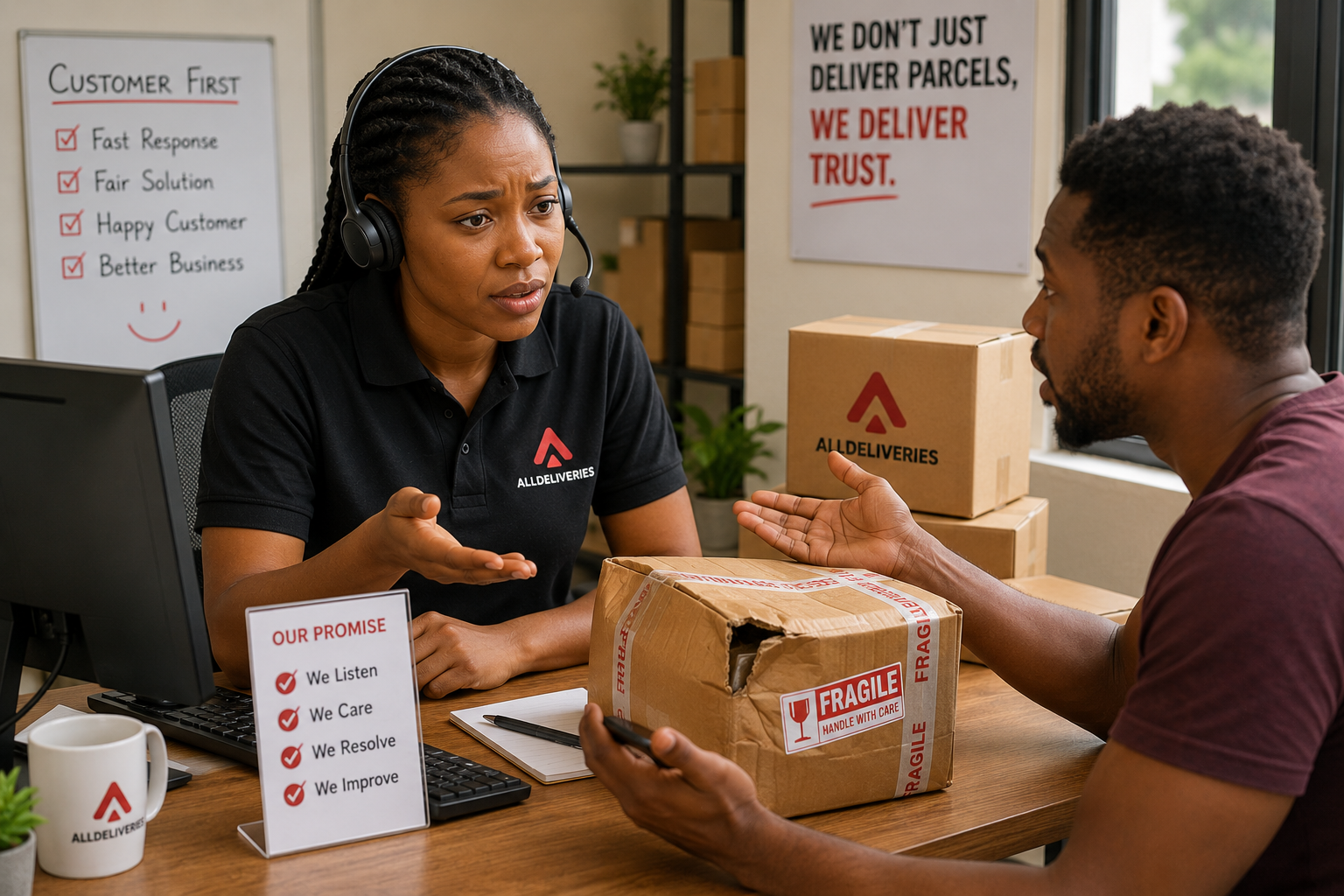
At that moment, your response matters almost as much as the original problem.
Some businesses become defensive, blame the rider or ignore the complaint completely. Others respond calmly, investigate what happened and offer a clear solution. The first approach often turns one delivery problem into a lost customer. The second can actually strengthen trust.
Services You May Like
Delivery mistakes may happen, especially when order volumes are high. What customers remember most is how professionally the business handled the situation.
Respond Before the Customer Becomes More Frustrated
Silence makes complaints worse.
When a customer reports a delivery problem, acknowledge the message quickly—even if you do not yet have a full answer. A simple response such as, “We’re sorry about this. We’re checking what happened and will update you shortly,” shows that the complaint is being taken seriously.
Do not leave the customer sending repeated messages or calling several times before receiving a response.
Fast communication is one reason businesses that communicate during delivery keep more customers.
Listen Before You Start Explaining
Avoid interrupting the customer or immediately defending your business.
Ask clear questions:
1. What time did the delivery arrive?
2. Was the package already damaged?
3. Was the wrong item delivered?
4. Did the customer receive any update?
5. Was an unexpected fee requested?
Understanding the full complaint helps you respond fairly. It also prevents your business from making assumptions that may worsen the situation.
Customers often calm down when they feel heard.
Take Responsibility for the Customer’s Experience
Even when a third-party rider handled the order, the customer still bought from your business.
Statements such as “It’s not our fault” or “Call the rider yourself” can make the business look careless. You can investigate who caused the problem later, but first focus on helping the customer.
A better response might be “We’re sorry your order arrived in this condition. We’ll review the delivery and explain the next step immediately.”
This does not mean accepting blame for everything. It means taking responsibility for resolving the experience.
Businesses should understand why customers stop buying after one bad delivery before dismissing complaints too quickly.
Offer a Clear and Reasonable Solution
An apology without action may not satisfy the customer.
Depending on the issue, possible solutions may include:
1. Replacing a damaged item
2. Refunding the affected product
3. Arranging redelivery
4. Correcting the delivery fee
5. Offering store credit
6.Providing a discount on the next order
Choose a solution that matches the seriousness of the problem.
For example, a slightly delayed package may require an apology and explanation. A broken item may require replacement or refund. A wrong delivery address may require a new arrangement.
If a delivery attempt failed completely, read how to handle failed deliveries without losing customers.
Investigate the Cause, Not Just the Complaint
Once the customer has been assisted, find out what went wrong.
Was the address incomplete? Was the package weakly sealed? Did the rider receive the wrong phone number? Was an unrealistic delivery time promised?
The complaint should help improve your process.
Keep a simple record of delivery issues and look for repeated patterns. If several customers report damaged parcels, your packaging may need improvement. If delays happen in the same area, your estimated timeline may be unrealistic.
These checks can help prevent the delivery mistakes costing Nigerian businesses customers.
Follow Up After Resolving the Problem
Do not assume the issue is finished once a refund or replacement is arranged.
Send a short follow-up message asking whether the customer is satisfied with the solution. This shows professionalism and gives the customer an opportunity to confirm that everything has been resolved.
A customer whose complaint is handled well may still return. In some cases, they may trust the business more because they now know problems will not be ignored.
Build a Complaint Process Before You Need It
Your team should know what to do when a delivery complaint arrives.
Create a simple process for receiving complaints, checking order records, contacting the rider and approving refunds or redelivery. This reduces delays and prevents different staff members from giving conflicting answers.
When your next parcel is prepared, you can book a delivery through AllDeliveries and provide customers with a more organised delivery experience.
You can also download the AllDeliveries mobile app to access delivery services conveniently from your phone.
For more practical logistics and business advice, visit the AllDeliveries Blog.
Frequently Asked Questions
How quickly should a business respond to a delivery complaint?
Respond as soon as possible, even if the first message only acknowledges the complaint and promises an update.
Should businesses blame the delivery rider?
No. Investigate the issue internally, but focus first on helping the customer and finding a solution.
Should every complaint receive a refund?
Not necessarily. The solution should depend on the problem and the business’s refund or redelivery policy.
Can a customer return after a bad delivery experience?
Yes. A fast, fair and respectful resolution can restore trust and encourage the customer to buy again.
Why should businesses record delivery complaints?
Records help identify repeated problems and improve packaging, communication, pricing and delivery planning.
Comments
No comments yet. Be the first to comment.