A customer orders fresh food, baked goods, flowers or another time-sensitive product. The item leaves your business in excellent condition, but the delivery takes too long. By the time it arrives, the food is warm, the flowers are weak or the packaging has started leaking.
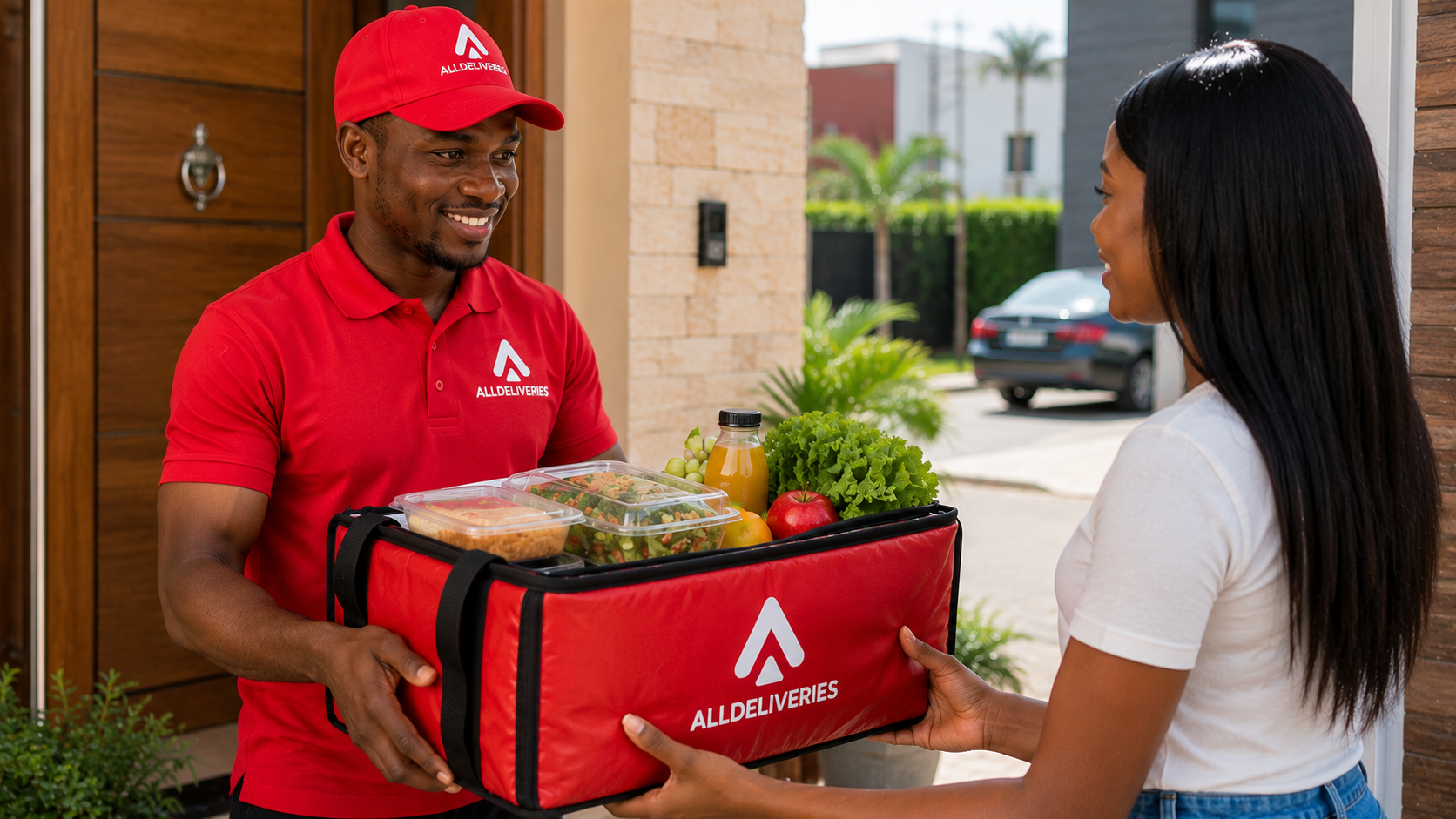
The customer does not blame the traffic or the distance. They blame the business.
Perishable products require more planning than ordinary parcels because their quality can decline quickly. One delayed pickup, poor container or unrealistic delivery promise can turn a profitable order into a refund, complaint or negative review.
Services You May Like
Here is how businesses can deliver perishable products more safely while protecting product quality and customer trust.
Understand How Long the Product Can Remain Fresh
Before accepting an order, know how long the product can safely remain outside its normal storage conditions.
Fresh meals, cakes, dairy products, frozen items, flowers and some beauty products have different temperature and time requirements. A product that can survive a one-hour journey may not remain suitable after four hours in traffic.
Ask these questions before dispatch:
1. How quickly must the item reach the customer?
2. Does it need cooling or insulation?
3. Can sunlight or heat damage it?
4. Will movement affect its appearance?
5. Can it safely travel through several delivery stops?
The answers will help you decide whether the order needs direct, same-day or scheduled delivery.
Choose Delivery Speed Based on Product Risk
Perishable items should not automatically be added to a long multi-stop route.
Fresh food, flowers and temperature-sensitive products often require direct or priority delivery. Delaying them to reduce transport costs may result in waste and customer complaints.
When selecting a service, consider the preparation time as well as the journey. A meal that takes one hour to prepare and another three hours to deliver may no longer meet the customer’s expectations.
Our comparison of same-day and next-day delivery can help you choose a realistic option for different order types.
Once the item is ready and the customer has confirmed availability, you can book a delivery through AllDeliveries without allowing the parcel to sit unnecessarily.
Use Packaging That Preserves Quality
Packaging for perishable products must do more than look attractive.
It should protect the product from heat, leakage, crushing and movement. Depending on the item, suitable materials may include:
1. Insulated delivery bags
2. Sealed food containers
3. Ice packs
4. Waterproof outer wrapping
5. Ventilated flower boxes
6. Strong cake boxes
7. Dividers that prevent movement
Do not place hot food and cold products inside the same package. Liquids should be tightly sealed and kept upright.
The package should also be easy for the rider to carry without tilting or crushing it. The principles in how good packaging can save your business money are especially important when a product cannot simply be returned to stock.
Confirm the Customer Before Dispatch
A perishable product should not arrive when the customer is unavailable.
Before the rider leaves, confirm that the recipient will be at the address during the expected delivery window. Where another person will receive the order, collect their name and phone number.
Send a message such as: “Your order is ready and should arrive between 1 p.m. and 2 p.m. Please confirm that someone will be available to receive it immediately.”
This prevents the rider from waiting outside while the product loses quality.
Follow the steps in how to confirm customer availability before delivery before sending any time-sensitive package.
Provide Clear Handling Instructions
Do not assume the rider knows how every product should be handled.
Tell the delivery provider when a parcel must remain upright, be kept out of direct sunlight or be delivered without unnecessary stops. Clearly identify fragile cakes, bottled liquids or products that must not be squeezed.
The customer may also need instructions after delivery. For example, frozen products should be stored immediately, while certain foods should be consumed within a stated period.
Clear instructions reduce mistakes and make the entire process more professional.
Plan for Traffic and Bad Weather
Heat, rain and traffic can affect perishable deliveries quickly.
Check the expected travel time before preparing the product. During heavy rain or severe congestion, consider adjusting the preparation time or informing the customer that the delivery window may change.
Waterproof outer packaging is essential during rainy weather, even when the product is already inside a sealed container.
Our guide on how bad weather affects deliveries explains how businesses can prepare for delays and protect parcels.
If conditions make safe delivery impossible, rescheduling may be better than sending a product that will arrive in poor condition.
Create a Perishable-Delivery Policy
Customers should understand that perishable products have special delivery and return conditions.
Your policy should explain:
1. Available delivery areas
2. Delivery time limits
3. Customer availability requirements
4. Storage instructions
5. When complaints must be reported
6. Whether perishable items can be returned
7. What happens after a failed delivery attempt
A clear delivery policy helps prevent disputes and protects the business from losses caused by customer unavailability.
Protect the Product and Your Reputation
Perishable delivery is a race against time, temperature and poor handling.
Choose the right delivery speed, prepare suitable packaging, confirm the recipient and provide clear instructions. These simple steps can reduce waste, complaints and costly replacements.
You can also download the AllDeliveries mobile app to arrange deliveries conveniently from your phone.
For more practical logistics and business-growth guidance, visit the AllDeliveries Blog.
Frequently Asked Questions
What products are considered perishable?
Fresh food, baked goods, flowers, frozen products, dairy items and other products that quickly lose quality may be considered perishable.
Should perishable products use same-day delivery?
Usually, yes. The exact option depends on the product’s safe storage time and delivery distance.
How should hot or cold food be packaged?
Use sealed containers and suitable insulated packaging that helps maintain the required temperature.
What happens when the customer is unavailable?
The product may lose quality during waiting or redelivery. Customer availability should therefore be confirmed before dispatch.
Can perishable items be returned?
This depends on the business policy and product type. Return conditions should be explained before payment.
Comments
No comments yet. Be the first to comment.