Selling an expensive product should feel like a successful business moment. But once the item leaves your hands, the risk changes.
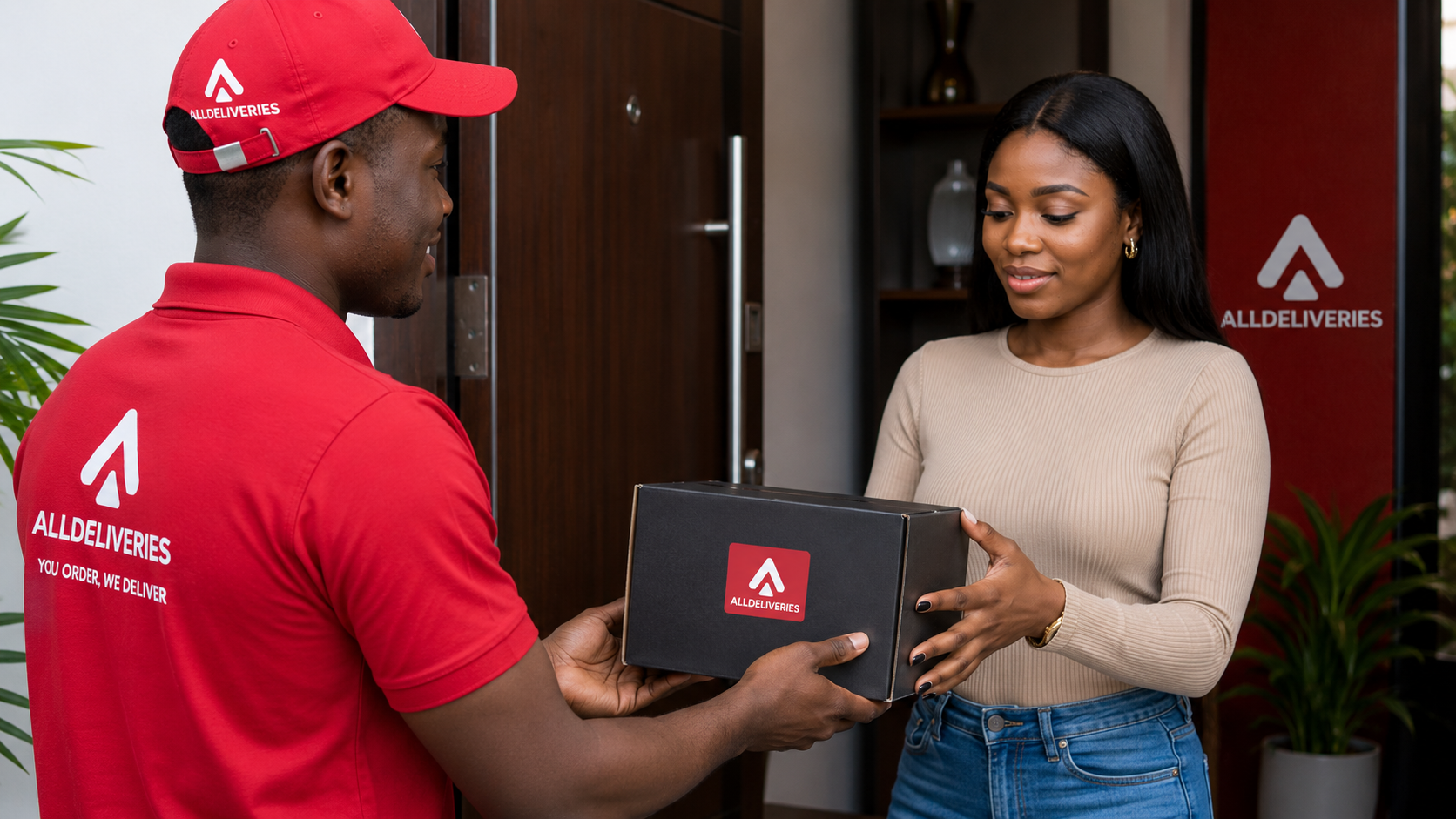
A phone, laptop, laboratory instrument, luxury watch or premium beauty product can become a major loss if it is damaged, delivered to the wrong person or sent without proper documentation.
High-value deliveries require more than ordinary dispatch. Your business needs stronger packaging, verified customer details, careful handover and clear proof that the correct person received the item.
Services You May Like
Here is how to deliver expensive products more safely without creating unnecessary stress for your business or customer.
Confirm the Order Before Packaging
Before preparing the item, confirm that the order is genuine and payment has been received.
Check the product name, model, quantity, colour, size or specification against the customer’s request. A wrong item can lead to an expensive return, especially when the customer is in another state.
Record the order details clearly and keep payment confirmation with the transaction record.
For extremely valuable products, call the customer before dispatch. This gives you an opportunity to confirm the purchase, delivery address and preferred receiving time.
Once the order and delivery details are complete, you can book a delivery through AllDeliveries and provide any special handling instructions.
Use Packaging That Hides and Protects the Product
An expensive product should not be obvious from the outside.
Avoid packaging that displays the product name, price or luxury brand unnecessarily. Use plain outer packaging while ensuring the item is properly protected inside.
Depending on the product, you may need:
1. A strong double-layer carton
2. Bubble wrap or foam padding
3. Waterproof inner wrapping
4. Tamper-evident tape
5. Corner protection
6. Secure cushioning to prevent movement
The item should not shake freely when the package is moved.
Poor packaging can lead to damage, refunds and replacement costs. Read how good packaging can save your business money for more practical protection tips.
Verify the Customer’s Address Carefully
A wrong address is more serious when an expensive product is involved.
Collect the recipient’s full name, active phone number, complete address and a recognisable landmark. Where possible, request a location pin and an alternative contact.
Send the complete address back to the customer for confirmation before dispatch.
Do not rely on an old address from a previous order. Customers may have moved, changed offices or requested delivery to another person.
The checks in how to prevent wrong addresses from ruining deliveries are especially important for valuable packages.
Confirm Who Is Authorised to Receive It
Expensive products should not be handed to an unknown neighbour, security guard or receptionist without clear authorisation.
Ask the customer whether they will receive the parcel personally. If someone else will collect it, record that person’s name and phone number.
You may also use a confirmation code. The rider should hand over the package only when the recipient provides the correct code.
For business deliveries, confirm the department, office number or staff member responsible for receiving the order.
This reduces the risk of disputes and ensures the package reaches the intended person.
Use Proof of Delivery
Never treat verbal confirmation alone as sufficient for a high-value delivery.
Collect clear evidence showing that the parcel was delivered. This may include:
1. Recipient’s signature
2. Delivery photograph
3. Recipient’s full name
4. Date and time of delivery
5. Confirmation code
6. Electronic delivery status
Proof of delivery protects both the business and the customer. It helps resolve situations where a rider says an item was delivered but the customer says it was not received.
Learn more about why proof of delivery matters for every business.
Keep the Customer Updated
High-value orders naturally make customers more anxious.
Send updates when the order is confirmed, packaged, picked up and out for delivery. Inform the customer when the rider is approaching so they can prepare to receive it personally.
Do not share unnecessary details publicly or with unauthorised people.
Clear updates reduce uncertainty and make the delivery process feel more professional. This is one reason delivery notifications improve the customer experience.
Choose Reliability Over the Lowest Price
The cheapest delivery option may not provide the care an expensive product requires.
Consider the provider’s reliability, communication, handling process and ability to document delivery. Ask whether the parcel will be carried directly or transferred through several locations.
A slightly higher delivery fee may be worthwhile when it reduces the risk of loss, damage or customer disputes.
Before dispatching, explain the delivery cost and any special handling fee clearly to the customer.
Create a High-Value Delivery Checklist
Do not depend on memory.
Create a checklist covering payment confirmation, product verification, packaging, address confirmation, recipient authorisation and proof of delivery.
Following the same process for every expensive order reduces mistakes and protects your business as order volume grows.
You can download the AllDeliveries mobile app to access delivery services conveniently from your phone.
For more practical logistics and business-growth guidance, visit the AllDeliveries Blog.
Frequently Asked Questions
What is considered a high-value delivery?
It may include expensive electronics, jewellery, medical equipment, luxury products, business documents or any item that would be costly to replace.
Should expensive products use plain packaging?
Yes. Plain outer packaging can reduce unwanted attention while strong inner packaging protects the item.
Can another person receive the parcel?
Yes, but the customer should authorise the person before delivery and provide the necessary details or confirmation code.
Is proof of delivery necessary?
Yes. A signature, photograph, recipient name or electronic confirmation helps protect the business during disputes.
Should businesses insure expensive deliveries?
Insurance may be worth considering for very valuable, fragile or difficult-to-replace products.
Comments
No comments yet. Be the first to comment.