Choosing the right delivery company is an important decision for anyone who regularly sends or receives packages in Nigeria.
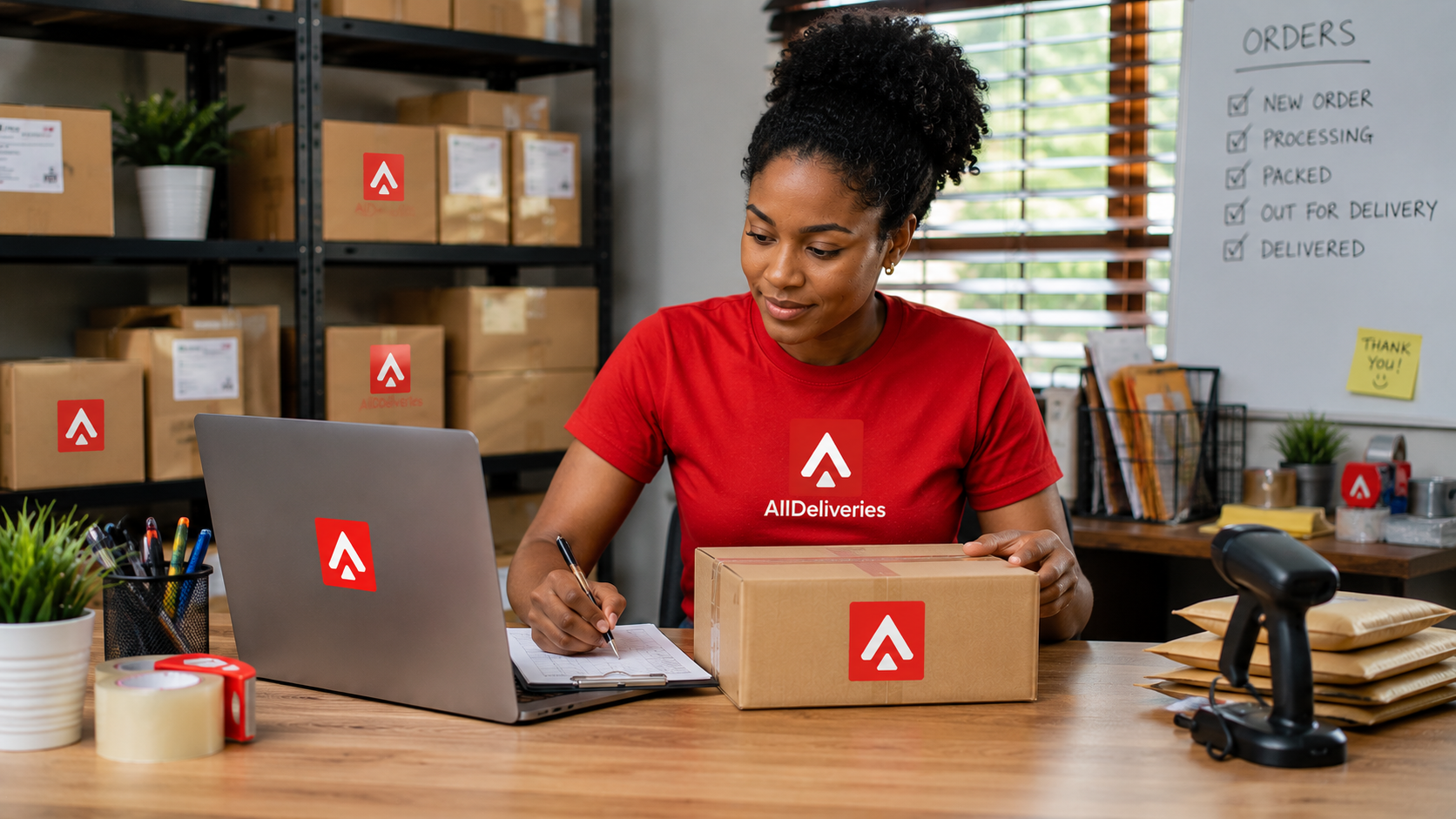
For individuals, the right courier can make it easier to send documents, gifts, personal belongings, and other permitted items. For businesses, especially online businesses, a reliable delivery company can directly affect customer satisfaction, repeat purchases, and the overall shopping experience.
With many courier and logistics companies offering different services, prices, delivery speeds, and coverage areas, choosing the best option can sometimes be difficult.
Services You May Like
So, how do you choose the best delivery company in Nigeria?
The answer is not simply to choose the cheapest option. You also need to consider reliability, delivery coverage, tracking, customer service, pricing, delivery speed, package handling, and how well the company's services match your specific needs.
What Is a Delivery Company?
A delivery company is a business that transports packages, documents, products, and other permitted items from one location to another.
Depending on the company, services may include:
-
Door-to-door delivery
-
Same-day delivery
-
Express delivery
-
Standard delivery
-
Intercity delivery
-
Package pickup
-
Business deliveries
-
E-commerce fulfillment
-
Return delivery
-
Shipment tracking
Different companies specialize in different types of deliveries, so the best choice depends on what you need to send, where it needs to go, and how quickly it needs to arrive.
1. Check the Company's Delivery Coverage
The first thing to consider is whether the delivery company serves the locations you need.
Some courier companies focus mainly on deliveries within major cities, while others have wider networks covering multiple states and regions.
Before booking a delivery, confirm whether the company covers:
-
Your pickup location
-
The recipient's location
-
The specific neighbourhood or area
-
Your preferred delivery route
-
Any rural or hard-to-reach destination involved
A courier may advertise broad coverage but have different service conditions for particular locations.
Always confirm coverage before making a commitment to a customer.
2. Consider the Delivery Speed You Need
Not every package needs to arrive immediately.
If you are sending an important document or an urgent customer order, express or same-day delivery may be appropriate.
For less urgent shipments, standard delivery may provide better value.
When comparing delivery companies, check whether they offer:
-
Same-day delivery
-
Next-day delivery
-
Express delivery
-
Standard delivery
-
Scheduled delivery
Also find out when the delivery timeframe begins. Some companies calculate delivery time from the moment the package is picked up, while others may have specific booking or dispatch conditions.
3. Compare Delivery Prices
Price is an important factor, but it should not be the only factor.
A very low delivery fee may not be worthwhile if the service is unreliable, difficult to track, or regularly causes delays.
When comparing prices, consider:
-
Pickup location
-
Delivery location
-
Package size
-
Package weight
-
Delivery speed
-
Vehicle type
-
Additional charges
-
Special handling requirements
It is also important to understand exactly what is included in the quoted price.
A clear price structure can help you avoid unexpected charges later.
4. Look for Reliable Package Tracking
Tracking allows you to know what is happening to your shipment after it has been collected.
A good tracking system may provide updates such as:
-
Booking confirmed
-
Courier assigned
-
Package picked up
-
In transit
-
Out for delivery
-
Delivered
Tracking can be especially valuable for businesses because it allows them to respond to customers when they ask about an order.
For individuals, it can provide peace of mind by showing that the shipment is progressing toward its destination.
5. Check the Company's Reputation
Before choosing a delivery company, take some time to find out what other customers say about its services.
Look for information about:
-
Delivery reliability
-
Package handling
-
Customer service
-
Communication
-
Delivery times
-
Complaint resolution
-
Transparency in pricing
Do not judge a company solely by one positive or negative review.
Instead, look for consistent patterns in customer experiences.
A company with a strong track record of completing deliveries properly is generally more attractive than one with frequent complaints about lost, damaged, or delayed packages.
6. Evaluate Customer Service
Good customer service becomes particularly important when something goes wrong.
A package may be delayed, the recipient may be unavailable, or the courier may need additional information about an address.
A reliable delivery company should have a clear way for customers to ask questions and report problems.
Consider whether the company provides:
-
Accessible customer support
-
Clear communication
-
Shipment updates
-
Easy complaint channels
-
Timely responses
-
Practical solutions when problems occur
Good customer service can make a significant difference when dealing with an unexpected delivery issue.
7. Ask About Proof of Delivery
Proof of delivery provides confirmation that a package reached its destination.
Depending on the courier, this may involve:
-
Recipient signature
-
Verification code
-
Electronic confirmation
-
Delivery photograph
-
Delivery timestamp
This feature can be particularly important for businesses sending products to customers.
If there is a disagreement about whether an order was delivered, proof of delivery can provide useful evidence of what happened.
8. Check How the Company Handles Packages
A delivery company is responsible for transporting packages safely.
Before choosing a courier, consider whether it has appropriate procedures for handling different types of shipments.
This is particularly important if you are sending:
-
Fragile items
-
Electronics
-
Documents
-
Clothing
-
Valuable goods
-
Perishable products
-
Large packages
You should also check whether the company has specific rules for restricted or prohibited items.
Proper packaging remains the sender's responsibility in many cases, but the courier's handling practices are also important.
9. Consider the Company's Experience With Your Type of Delivery
Not every courier is equally suited to every delivery requirement.
For example, an individual sending a document may need a simple point-to-point courier service.
An online business with hundreds of orders each week may need something more comprehensive, such as:
-
Bulk delivery
-
Order management
-
Tracking
-
Pickup scheduling
-
Returns management
-
Multiple delivery options
Choose a company whose services match the scale and nature of your deliveries.
10. Check Whether the Company Offers Door-to-Door Delivery
Door-to-door delivery can be more convenient because the courier collects the package from the sender and takes it directly to the recipient's specified location.
This can save time for both individuals and businesses.
Before choosing a courier, find out whether it offers:
-
Pickup from your location
-
Delivery to homes
-
Delivery to offices
-
Business-to-business delivery
-
Scheduled pickup
If you regularly send packages, convenient pickup services can make your delivery process much easier.
11. Consider Same-Day and Express Options
Even if you usually use standard delivery, there may be times when you need something delivered urgently.
A delivery company that offers several service levels can give you more flexibility.
For example, you might normally use standard delivery but choose same-day or express delivery for an urgent customer order.
Having multiple options available can be especially useful for online businesses.
12. Check the Delivery Company's Service Areas
Nigeria has major cities, smaller towns, and rural communities with different transportation and accessibility challenges.
A courier that works well in one city may have different capabilities in another location.
If you regularly send packages between different cities, check whether the company has a reliable network along your usual routes.
For example, if your business regularly sends packages from Lagos to other parts of Nigeria, you should confirm the company's ability to serve those destinations consistently.
13. Look at the Company's Technology
Technology can make delivery services easier to manage.
Useful features may include:
-
Online booking
-
Digital payment
-
GPS tracking
-
Automated notifications
-
Online shipment management
-
Electronic proof of delivery
-
Delivery status updates
Technology is particularly valuable for businesses handling many shipments because it can reduce the amount of manual work involved.
However, technology should support good service rather than replace it.
A sophisticated application is not useful if the underlying delivery operation is unreliable.
14. Check the Company's Communication Process
Good communication can prevent many delivery problems.
A courier should ideally provide relevant information about the shipment and communicate when something changes.
For example, if a delivery is delayed because of an unexpected issue, customers should have a reasonable way to find out what happened.
Clear communication can reduce frustration and help businesses keep their customers informed.
15. Ask About Failed Deliveries
A delivery can fail for several reasons.
The recipient may be unavailable, the address may be incorrect, or the courier may be unable to access the location.
Before choosing a delivery company, find out what happens when a delivery cannot be completed.
Ask whether the company:
-
Attempts delivery again
-
Contacts the sender
-
Contacts the recipient
-
Returns the package
-
Charges an additional fee
-
Holds the package for collection
Knowing the procedure in advance can prevent misunderstandings.
16. Understand the Company's Return Policy
Returns are particularly important for online businesses.
A customer may need to return an item because it is damaged, incorrect, unsuitable, or covered by the seller's return policy.
A delivery company that supports return logistics can make this process easier.
Ask whether the courier provides:
-
Return pickup
-
Return transportation
-
Return tracking
-
Delivery confirmation
-
Flexible return arrangements
A good returns process can improve the overall customer experience.
17. Consider Insurance and Liability
For valuable shipments, it is important to understand what happens if a package is lost or damaged.
Different delivery companies may have different policies concerning liability, compensation, and insurance.
Before sending a valuable item, ask:
-
Is the shipment covered?
-
What happens if it is damaged?
-
What happens if it is lost?
-
Is there a maximum compensation amount?
-
Are there additional insurance options?
Do not assume that every package is automatically insured for its full value.
18. Consider the Size and Weight of Your Packages
Courier companies may have different limits for package dimensions and weight.
If you regularly send large or heavy items, check whether the company is equipped to handle them.
You may need to provide:
-
Package dimensions
-
Weight
-
Number of packages
-
Type of item
Providing accurate information helps the courier determine the appropriate vehicle and delivery charge.
19. Check Whether the Company Can Handle Business Volume
Businesses should think beyond individual deliveries.
If you receive hundreds of orders, a courier needs to be able to handle your volume consistently.
Ask whether the company can support:
-
Bulk shipments
-
Regular pickups
-
Multiple daily orders
-
Business accounts
-
Shipment reporting
-
Customer notifications
-
Returns
The right delivery partner should be able to grow with your business rather than becoming a limitation as order volumes increase.
20. Test the Service Before Committing
If you are choosing a delivery company for your business, consider starting with a small number of shipments.
This gives you an opportunity to evaluate:
-
Pickup times
-
Delivery times
-
Package handling
-
Tracking
-
Customer service
-
Pricing
-
Communication
Real-world experience can reveal issues that may not be obvious when comparing companies on paper.
Once you are satisfied with the service, you can increase the number of shipments you assign to the courier.
Questions to Ask Before Choosing a Delivery Company
Before making your decision, ask the courier the following questions:
What areas do you cover?
Make sure your regular pickup and delivery locations are included.
How long does delivery take?
Ask for the expected timeframe for your particular route.
How much does delivery cost?
Request a clear explanation of the pricing structure.
Do you offer tracking?
Find out whether you can monitor shipments from pickup to delivery.
What happens if a package is delayed?
Understand how delays are communicated and handled.
What happens if a package is lost or damaged?
Ask about liability, claims, and compensation.
Do you offer proof of delivery?
This can be important for businesses.
What happens when a recipient is unavailable?
Find out whether another attempt is made and whether additional charges apply.
Do you handle returns?
This is particularly important for e-commerce businesses.
Common Mistakes to Avoid When Choosing a Delivery Company
Choosing a courier based only on price is one of the most common mistakes.
Other mistakes include:
-
Failing to check coverage
-
Ignoring customer reviews
-
Not asking about tracking
-
Assuming all delivery services are the same
-
Not checking the company's package policies
-
Ignoring return procedures
-
Choosing a service that cannot handle your delivery volume
-
Making promises to customers before confirming delivery times
A little research before choosing a courier can prevent many problems later.
What Makes a Delivery Company Reliable?
A reliable delivery company should consistently demonstrate several qualities.
These include:
-
Reasonable delivery times
-
Accurate tracking
-
Good communication
-
Proper package handling
-
Transparent pricing
-
Wide or relevant coverage
-
Responsive customer support
-
Clear procedures for delays and failed deliveries
No delivery company can eliminate every possible problem. Traffic, weather, road conditions, and other unexpected events can affect deliveries.
What matters is how effectively the company manages these challenges.
Best Delivery Company for Individuals vs Businesses
The best courier for an individual may not be the best option for a large online business.
Individuals may prioritize:
-
Affordable pricing
-
Convenience
-
Pickup service
-
Delivery speed
-
Local coverage
Businesses may need:
-
Bulk delivery
-
Regular pickups
-
Tracking
-
Returns
-
Proof of delivery
-
Business support
-
Technology integration
-
Consistent performance
Before choosing a company, identify your main requirements first.
How to Choose the Right Delivery Company for Your Business
If you operate an online business, consider the complete customer journey.
Think about what happens after a customer places an order.
The process should ideally be:
Customer places order → Product is prepared → Courier picks up package → Package is transported → Customer receives updates → Package is delivered → Delivery is confirmed
A good logistics partner should fit smoothly into this process.
The goal is not simply to find a courier that can deliver packages.
It is to find a delivery partner that can help your business provide a reliable customer experience.
Frequently Asked Questions
How do I choose the best delivery company in Nigeria?
Start by considering your delivery locations, package types, delivery speed, budget, tracking needs, customer service requirements, and expected shipment volume. Then compare companies based on how well they meet those needs.
Is the cheapest delivery company the best option?
Not necessarily. A lower price may not provide the best value if the service has frequent delays, poor communication, limited tracking, or weak package-handling procedures.
What should businesses look for in a delivery company?
Businesses should consider coverage, reliability, pricing, tracking, customer service, pickup arrangements, delivery speed, proof of delivery, returns, and the company's ability to handle their order volume.
Why is package tracking important?
Tracking allows senders and recipients to monitor a shipment's progress and can make it easier to identify and address delivery problems.
Should I test a courier before using it regularly?
Yes. Sending a small number of shipments first can help you evaluate the company's actual performance before making it your primary delivery partner.
Final Thoughts
Choosing the best delivery company in Nigeria requires more than comparing prices.
The right courier should provide a combination of reliable delivery, appropriate coverage, clear communication, useful tracking, fair pricing, proper package handling, and responsive customer support.
For individuals, the best option may simply be a convenient and affordable service that can safely deliver a package to the required location.
For businesses, especially e-commerce businesses, the decision is more strategic. Your delivery company becomes part of the customer's experience, so reliability can have a direct effect on customer satisfaction and your reputation.
Before making a decision, compare the company's coverage, delivery times, pricing, tracking, customer service, package policies, returns process, and ability to handle your expected shipment volume.
Most importantly, choose a delivery company based on your actual needs rather than choosing solely because it is the cheapest or most widely advertised.
A good delivery partner should not only move packages from one location to another.
It should help you deliver a better experience to the people who depend on your business.
Comments
No comments yet. Be the first to comment.