Delivery services have made it easier for businesses and individuals to send and receive products across Nigeria. However, the growing use of online shopping and courier services has also created opportunities for scammers to target customers through fake delivery messages and fraudulent payment requests.
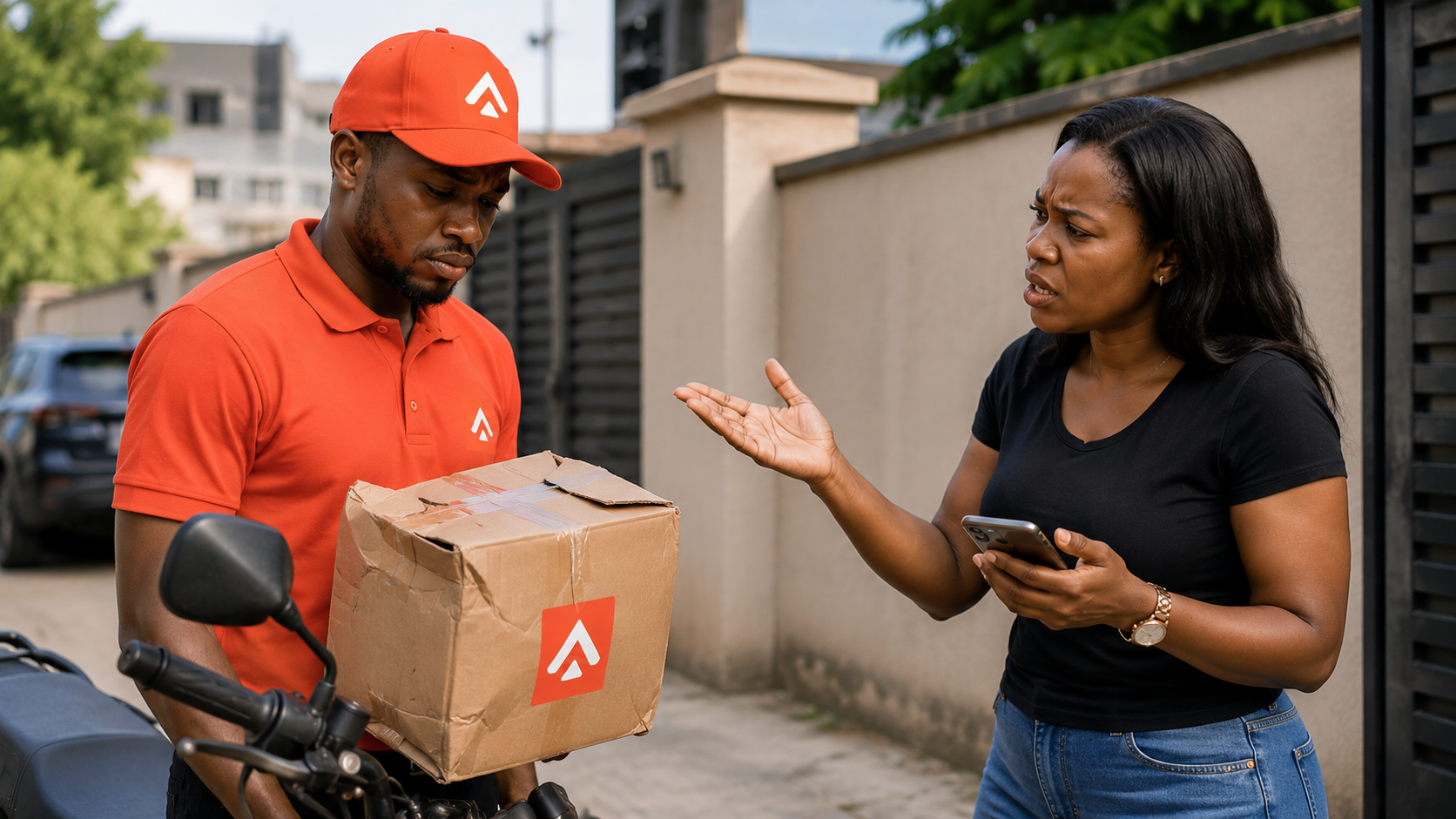
A delivery scam may involve someone pretending to be a courier, seller, customer, or delivery representative. The scammer may claim that a package is waiting for delivery and then ask the recipient to make an unexpected payment or provide sensitive information.
Some scams may appear convincing because they use the names of real businesses, reference genuine orders, or create a sense of urgency.
Services You May Like
Knowing how common delivery scams work can help customers and businesses recognise warning signs and take appropriate precautions.
1. Verify Unexpected Delivery Messages
Be cautious when you receive a delivery message you were not expecting.
Before taking any action, check whether you actually placed an order or whether someone you know sent you a package.
If the message claims to come from a courier company, verify the information through an official communication channel rather than automatically using the contact details provided in the suspicious message.
2. Be Careful With Unexpected Payment Requests
Scammers may claim that a package cannot be delivered until an additional fee is paid.
They may describe the payment as:
- Delivery charges.
- Customs fees.
- Clearance fees.
- Storage charges.
- Address correction fees.
- Insurance payments.
An unexpected payment request should be treated carefully, particularly when the sender creates pressure to pay immediately.
3. Do Not Share Your PIN or Password
Legitimate delivery arrangements should not require you to disclose sensitive banking credentials.
Never share:
- ATM PINs.
- Mobile banking passwords.
- One-time passwords (OTPs).
- Card PINs.
- Account passwords.
- Security answers.
If someone asks for these details to complete a delivery, treat the request as a serious warning sign.
4. Be Careful With Links in Messages
A suspicious delivery message may contain a link claiming to help you track a package, confirm an address, or make a payment.
Do not click unfamiliar links simply because the message appears urgent.
Instead, independently access the courier company's official website or app and check the delivery using information you already have.
5. Confirm the Courier's Identity
If someone contacts you claiming to be a courier, verify who they are before providing information or handing over money or goods.
Check the delivery details against your original order.
If anything appears inconsistent, contact the seller or delivery company through a trusted channel.
6. Do Not Trust Caller ID Alone
A phone number or caller name may appear familiar, but this does not automatically prove that the person contacting you is genuine.
Scammers can use different techniques to make communications appear legitimate.
Always consider the full context of the request rather than relying on the displayed phone number or name.
7. Confirm the Order Details
If you receive a message about a package, compare it with your order information.
Check:
- Product ordered.
- Seller's name.
- Expected delivery location.
- Order date.
- Delivery provider.
- Tracking information.
If the details do not match what you ordered, investigate before taking any action.
8. Be Suspicious of Urgent Requests
Scammers often try to make people act quickly without thinking carefully.
Messages may claim that:
- Your package will be returned immediately.
- Your delivery will be cancelled.
- You must pay within a few minutes.
- Your account will be blocked.
- Your package will be destroyed or forfeited.
Urgency is often used to discourage verification.
Take time to confirm the situation before making payments or sharing information.
9. Use Official Contact Channels
When you need to verify a delivery, use contact information obtained from a trusted source.
For example, check the courier company's official website, app, previous order information, or verified customer service channel.
Avoid relying solely on phone numbers, email addresses, or links contained in an unexpected message.
10. Be Careful With Fake Tracking Pages
A scammer may create a website that looks similar to a legitimate courier tracking page.
The page may ask you to enter personal information, card details, or login credentials.
Instead of following a suspicious tracking link, visit the courier's official platform independently and enter the tracking information there.
11. Do Not Pay for a Package You Did Not Order
If someone contacts you about a package that you did not purchase or expect, do not automatically assume the package is genuine.
Scammers may claim that a friend, company, or relative sent something to you.
Confirm the sender and shipment through a trusted source before making any payment or providing sensitive information.
12. Businesses Should Protect Customer Information
Businesses also have a responsibility to protect customer data.
Customer information such as names, addresses, and phone numbers should be handled carefully.
Businesses should avoid unnecessarily exposing customer details because scammers may use leaked or publicly available information to make fraudulent messages appear more convincing.
13. Train Employees to Recognise Delivery Fraud
Employees involved in sales, customer service, and delivery should understand common scam tactics.
Staff should know how to identify:
- Suspicious payment requests.
- Fake delivery instructions.
- Unusual account changes.
- Impersonation attempts.
- Requests for sensitive information.
Training can help prevent employees from accidentally exposing the business or its customers to fraud.
14. Verify Changes to Delivery Information
Be cautious if someone suddenly asks you to change the delivery address or redirect a package.
For businesses, unexpected changes should be confirmed with the customer through a trusted communication channel.
This can help prevent fraudsters from redirecting genuine orders to another location.
15. Protect Your Payment Information
Customers should be careful about where and how they make delivery-related payments.
Before paying, confirm:
- Who is requesting the payment.
- Why the payment is required.
- Whether the amount is expected.
- Whether the payment channel is legitimate.
Do not provide card or banking information through suspicious forms or messages.
16. Check for Suspicious Communication
Fraudulent messages may contain unusual wording, spelling mistakes, unfamiliar sender addresses, or inconsistent company information.
However, good spelling does not guarantee that a message is legitimate.
Consider the entire message and whether the request makes sense based on your actual order.
17. Report Suspicious Activity
If you believe you have encountered a delivery scam, avoid continuing the conversation with the suspected scammer.
Keep relevant evidence such as:
- Messages.
- Phone numbers.
- Payment details.
- Screenshots.
- Transaction records.
- Website addresses.
You can then report the incident to the relevant platform, financial institution, courier company, or appropriate authorities.
18. Act Quickly If You Have Shared Sensitive Information
If you accidentally provide banking credentials, card details, or other sensitive information to a suspected scammer, take action as soon as possible.
Contact your bank or financial service provider through its official channels and explain what happened.
If a suspicious transaction has occurred, report it immediately and follow the provider's instructions.
Common Delivery Scam Warning Signs
Be cautious when a delivery request:
- Comes from an unexpected source.
- Demands immediate payment.
- Requests your PIN or OTP.
- Contains a suspicious link.
- Uses threats or unusual urgency.
- Provides an unfamiliar payment account.
- Contains delivery details that do not match your order.
- Asks you to redirect a package unexpectedly.
- Claims you must provide sensitive information before delivery.
- Cannot be independently verified.
One warning sign does not necessarily prove that a message is fraudulent, but several warning signs together should encourage extra caution.
Benefits of Taking Delivery Security Seriously
Better Protection of Personal Information
Careful verification can reduce the risk of exposing sensitive information.
Lower Risk of Financial Loss
Checking unexpected payment requests can help prevent fraudulent transactions.
Safer Online Shopping
Knowing how to recognise suspicious delivery messages can make online purchases safer.
Better Business Protection
Businesses can reduce risks by protecting customer information and training employees.
Greater Confidence in Delivery Services
Understanding common scams can help customers distinguish genuine delivery communication from suspicious requests.
Final Thoughts
Delivery scams can affect both customers and businesses, particularly as online shopping and courier services become more common.
Scammers may use fake delivery messages, payment requests, tracking pages, or impersonation to convince people to provide money or sensitive information.
The best defence is careful verification. Customers should confirm unexpected delivery messages, avoid sharing PINs and passwords, be cautious with unfamiliar links, and use trusted contact channels to verify requests.
Businesses should also protect customer information, train employees, and establish clear procedures for handling changes to delivery details and payment requests.
If something about a delivery request seems unusual, taking a few extra moments to verify it can prevent a much bigger problem.
A genuine delivery service should not require customers to ignore basic security precautions. Staying alert and verifying information before taking action can help make deliveries safer for everyone.
Comments
No comments yet. Be the first to comment.