Technology is changing the way businesses manage logistics in Nigeria. From tracking packages and planning delivery routes to managing inventory and communicating with customers, digital tools are making it easier for businesses to organise the movement of goods.
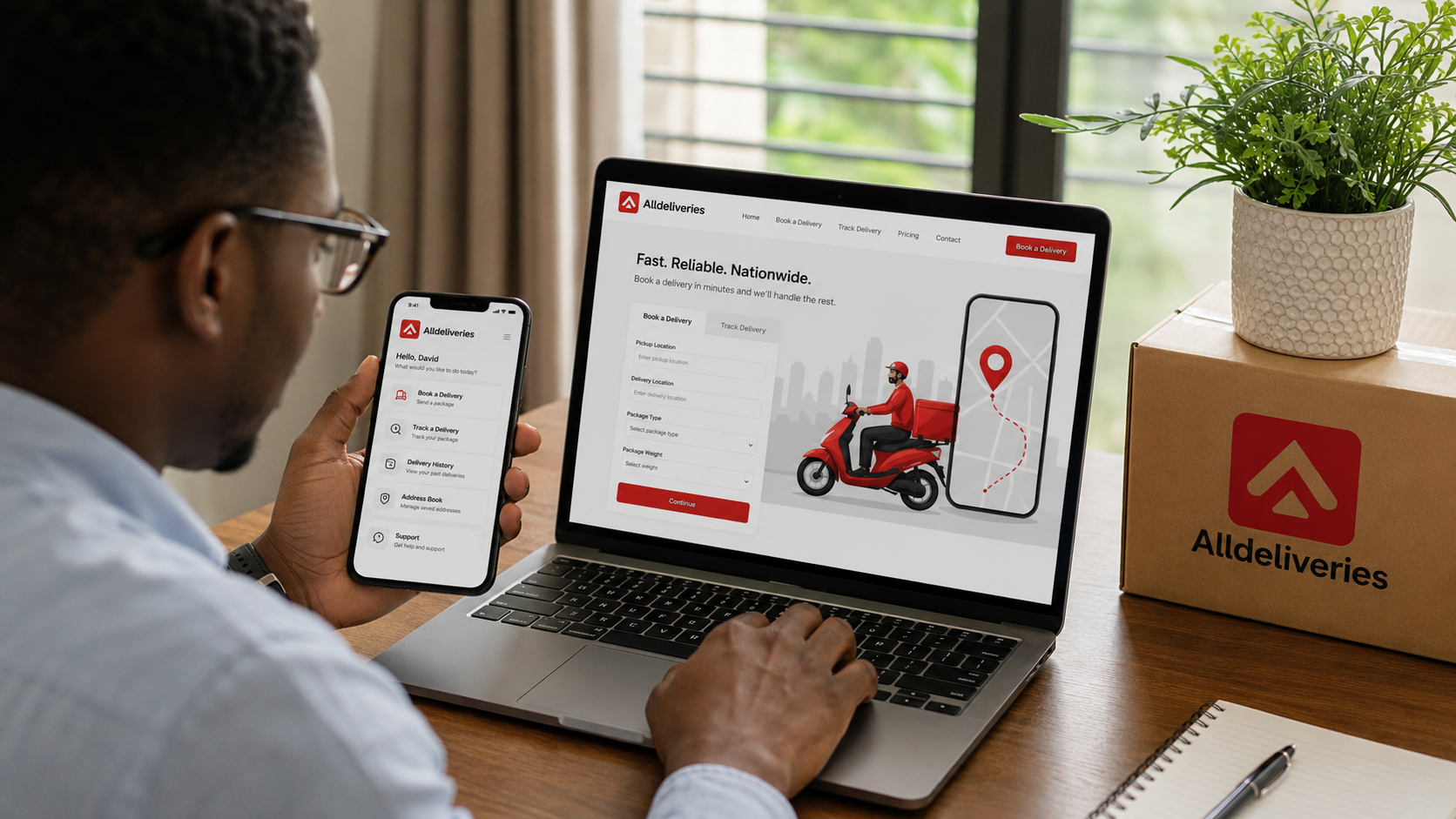
Traditional logistics processes often depend heavily on phone calls, paper records, manual calculations, and direct communication. While these methods can still be useful, technology can help businesses manage larger volumes of orders with greater accuracy and efficiency.
For online businesses, technology is particularly valuable because customers increasingly expect convenient ordering, clear delivery information, and reliable service.
Services You May Like
As Nigerian businesses continue to adopt digital tools, technology is becoming an important part of improving logistics operations and creating better delivery experiences.
1. GPS Tracking Makes Deliveries Easier to Monitor
GPS technology allows businesses and delivery providers to monitor the location of vehicles and, where applicable, delivery personnel.
This can help businesses understand where a delivery is and identify possible delays.
GPS tracking can also provide useful information for:
- Route monitoring.
- Delivery coordination.
- Vehicle management.
- Customer updates.
- Delivery verification.
Having better visibility can make logistics operations easier to manage.
2. Digital Maps Improve Route Planning
Digital mapping tools have made route planning more convenient for delivery businesses.
Instead of relying entirely on physical maps or personal knowledge, delivery personnel can use digital navigation tools to identify routes and estimate travel distances.
Businesses can use this information to organise deliveries more efficiently and reduce unnecessary travel.
However, local knowledge remains valuable because actual road conditions may differ from what a digital map suggests.
3. Real-Time Traffic Information Helps Reduce Delays
Traffic can have a major effect on delivery times, particularly in busy Nigerian cities.
Technology can provide information about current traffic conditions and help delivery personnel consider alternative routes.
This can be particularly useful when:
- A major road is congested.
- An accident affects traffic.
- Road construction changes access.
- A route becomes unusually slow.
Using current information can help businesses make better delivery decisions.
4. Online Order Management Improves Organisation
Digital order management systems can help businesses keep track of customer orders from the moment they are received until they are delivered.
Instead of managing every order manually, businesses can organise information such as:
- Customer details.
- Products ordered.
- Order status.
- Delivery address.
- Payment status.
- Dispatch information.
This can reduce confusion and make it easier to identify orders that still need to be processed.
5. Inventory Management Systems Reduce Stock Problems
Technology can also improve the way businesses manage inventory.
Digital inventory systems can help businesses know which products are available and how many units remain in stock.
This can reduce problems such as:
- Selling products that are unavailable.
- Losing track of stock.
- Delaying order processing.
- Ordering unnecessary quantities.
Accurate inventory information can make the entire fulfilment process more efficient.
6. Automated Customer Notifications Improve Communication
Technology allows businesses to send customers updates without requiring staff to contact every customer individually.
Depending on the system being used, customers may receive notifications about:
- Order confirmation.
- Order processing.
- Dispatch.
- Delivery progress.
- Delays.
- Successful delivery.
Keeping customers informed can reduce uncertainty and the number of enquiries businesses receive about order status.
7. Delivery Tracking Gives Customers More Visibility
Customers often want to know where their orders are after making a purchase.
Tracking systems can provide information about the progress of a shipment and, depending on the service, may provide an estimated delivery time.
This gives customers greater visibility and can make the delivery process feel more transparent.
8. Digital Payments Make Transactions More Convenient
Digital payment methods can simplify the financial side of logistics and order fulfilment.
Customers can pay for products and delivery services electronically, while businesses can keep digital records of transactions.
Digital payment systems can reduce the need to handle cash and make it easier for businesses to reconcile payments with orders.
9. Technology Helps Businesses Manage Delivery Data
Every delivery can generate useful information.
Businesses can analyse data relating to:
- Delivery times.
- Failed deliveries.
- Customer locations.
- Delivery costs.
- Order volumes.
- Frequently used routes.
- Return rates.
This information can help businesses identify patterns and make better logistics decisions.
For example, if a business notices that deliveries to a particular area frequently take longer than expected, it can review the route, delivery provider, or estimated delivery timeframe.
10. Digital Proof of Delivery Improves Accountability
Technology can provide digital records confirming that an order has been delivered.
Depending on the delivery system, proof of delivery may include information such as:
- Delivery time.
- Recipient confirmation.
- Digital signature.
- Delivery status.
- Location information.
These records can help businesses resolve disputes and maintain more accurate delivery records.
11. Technology Can Help Reduce Failed Deliveries
Failed deliveries can increase transportation costs and waste valuable time.
Digital systems can help businesses reduce failed deliveries by organising customer information and sending delivery notifications.
Customers can also receive updates that remind them when their orders are expected.
Accurate information combined with timely communication can make successful delivery more likely.
12. Delivery Platforms Can Connect Businesses With Couriers
Technology has made it easier for businesses to connect with delivery providers through digital platforms.
Instead of relying entirely on personal contacts, businesses can use platforms to request delivery services, provide order details, and monitor delivery progress.
This can be particularly useful for small businesses that do not have their own delivery vehicles.
13. Technology Helps Businesses Handle More Orders
Manual processes can become difficult to manage as order volumes increase.
Digital systems can help businesses organise larger numbers of orders without relying entirely on paper records or individual messages.
This can make it easier to:
- Process orders.
- Assign deliveries.
- Track shipments.
- Manage customer information.
- Monitor completed deliveries.
Technology can therefore support business growth by making logistics operations more scalable.
14. Route Optimisation Can Reduce Operating Costs
More advanced logistics systems can help businesses determine efficient delivery routes.
When multiple orders need to be delivered, route planning tools can consider factors such as location, distance, and available delivery capacity.
Better routes can reduce unnecessary travel and may help lower fuel and transportation expenses.
15. Technology Improves Fleet Management
Businesses that operate several delivery vehicles can use technology to manage their fleets.
Fleet management systems can help businesses monitor:
- Vehicle locations.
- Mileage.
- Maintenance schedules.
- Fuel usage.
- Driver activity.
- Delivery routes.
This information can help businesses identify inefficiencies and maintain their vehicles more effectively.
16. Technology Supports Better Customer Service
Logistics technology does not only benefit businesses. It can also improve the customer experience.
Customers benefit when they can:
- Receive order updates.
- Track deliveries.
- Make digital payments.
- Confirm delivery information.
- Receive faster responses to enquiries.
A smoother delivery process can contribute to greater customer satisfaction and encourage repeat purchases.
17. Technology Can Improve Security
Digital records and tracking systems can provide greater visibility over shipments.
Businesses can use technology to record when packages are dispatched, transported, and delivered.
For valuable or sensitive shipments, additional tracking and verification features may provide useful accountability.
Technology does not eliminate the risk of theft or loss, but better records can make it easier to identify problems and investigate incidents.
18. Technology Helps Businesses Make Better Decisions
Perhaps one of the biggest benefits of logistics technology is access to information.
Instead of making decisions based entirely on assumptions, businesses can use operational data to identify what is working and what needs improvement.
For example, a business can analyse delivery records to determine:
- Which areas generate the most orders.
- Which routes regularly experience delays.
- Which delivery providers perform best.
- How much deliveries cost.
- How frequently customers experience failed deliveries.
This can support more informed logistics planning.
Common Mistakes Businesses Should Avoid When Using Logistics Technology
Businesses should avoid:
- Adopting technology without understanding how it will improve operations.
- Relying entirely on automated systems.
- Failing to protect customer information.
- Using inaccurate customer addresses.
- Ignoring data from delivery operations.
- Choosing software that does not suit the size of the business.
- Failing to train staff on new systems.
- Assuming technology can eliminate every delivery problem.
- Neglecting communication with customers.
- Using outdated or unreliable tracking information.
Technology works best when it is combined with good processes, trained staff, reliable delivery partners, and accurate information.
Benefits of Using Technology in Logistics
Faster Operations
Digital tools can reduce the amount of time required to process orders, plan routes, and communicate with customers.
Better Delivery Visibility
Tracking systems can give businesses and customers greater insight into the progress of shipments.
Lower Operational Costs
Better route planning, inventory management, and fleet monitoring can help reduce unnecessary expenses.
Fewer Errors
Digital records can reduce mistakes associated with manual data entry and paper-based processes.
Improved Customer Experience
Customers benefit from better communication, tracking, and more convenient payment options.
Final Thoughts
Technology is changing logistics in Nigeria by making it easier for businesses to manage orders, track deliveries, plan routes, monitor inventory, communicate with customers, and analyse operational data.
GPS tracking, digital maps, online order management, inventory systems, digital payments, automated notifications, and fleet management tools can all contribute to more efficient logistics operations.
However, technology should support good logistics practices rather than replace them completely. Accurate customer information, proper packaging, reliable delivery partners, local knowledge, and effective communication remain important.
For Nigerian businesses, the right technology can make logistics more organised, transparent, and scalable. As order volumes grow, adopting practical digital tools can help businesses manage deliveries more efficiently while providing customers with a smoother experience.
Good logistics is ultimately about delivering the right product to the right customer safely and efficiently. Technology can make that process easier to manage and improve.
Comments
No comments yet. Be the first to comment.