A business's reputation is shaped by every interaction customers have with it. While product quality, pricing, and customer service are important, delivery can also influence how customers perceive a brand.
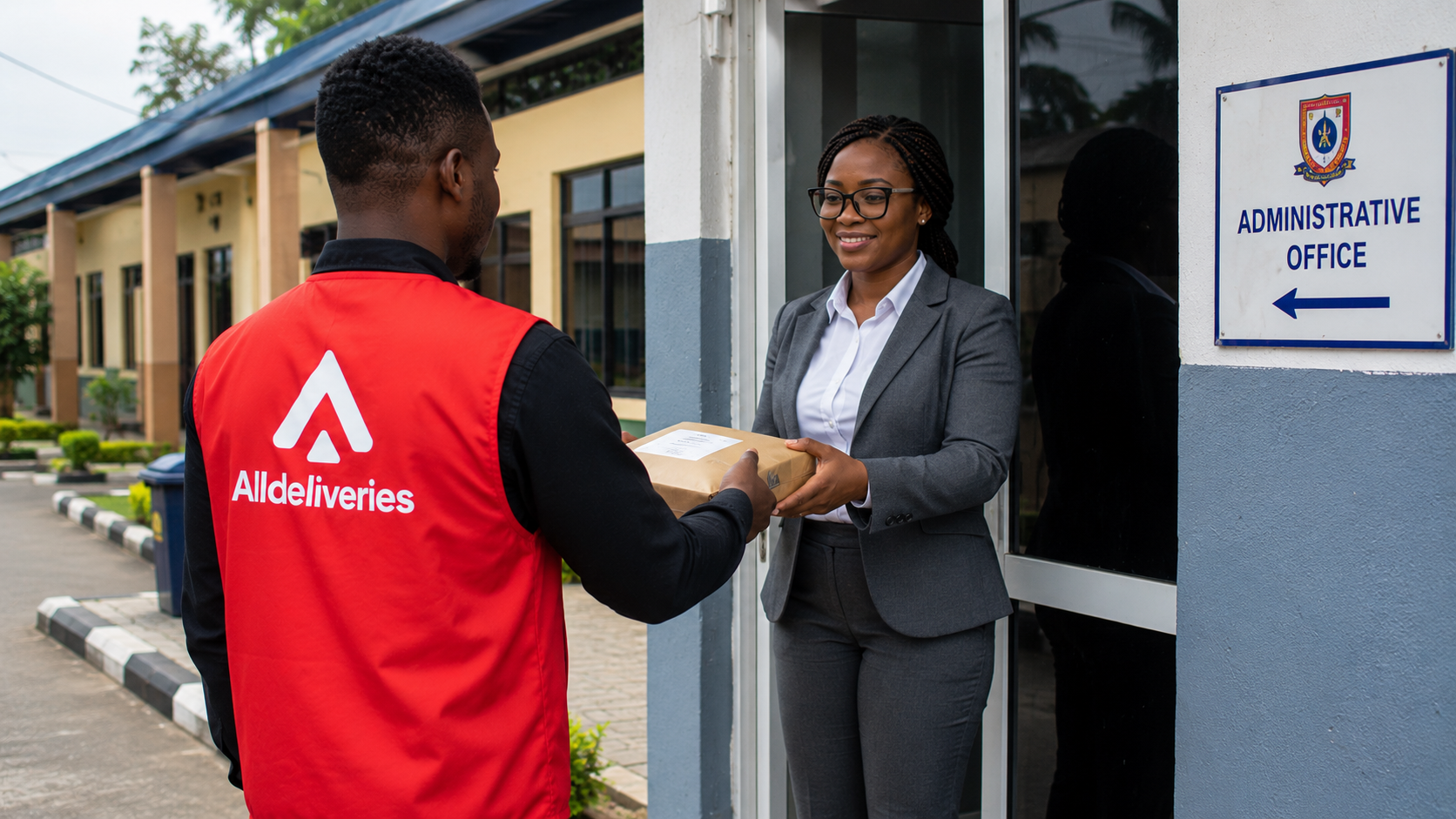
For businesses that sell physical products, delivery is often the final interaction between the customer and the business. A customer may have a smooth ordering experience, but a late, damaged, or poorly handled delivery can leave a negative impression.
Reliable delivery creates the opposite experience. When customers receive the correct products safely, within the expected timeframe, and with clear communication, they are more likely to view the business as dependable and professional.
Services You May Like
For Nigerian businesses, maintaining reliable delivery can be especially important because factors such as traffic, road conditions, distance, weather, and difficult addresses can affect transportation.
A strong delivery process can help businesses manage these challenges and build a reputation that encourages customers to trust and return to the brand.
1. Reliable Delivery Builds Customer Trust
Trust is an important part of any successful customer relationship.
When a business consistently delivers orders as promised, customers gain confidence in its ability to fulfil its commitments.
This confidence can develop through:
- Accurate delivery estimates.
- Safe package handling.
- Clear communication.
- Consistent service.
- Prompt resolution of delivery issues.
Over time, these experiences can strengthen the customer's trust in the brand.
2. Delivery Reflects a Business's Level of Professionalism
Customers often use their overall experience to judge how professionally a business operates.
A well-organised delivery process can demonstrate that a business pays attention to details.
When orders are properly packaged, accurately addressed, and delivered as expected, customers may see the business as more organised and dependable.
3. On-Time Delivery Creates a Positive Impression
Customers generally expect businesses to meet the delivery timeframe they provide.
Consistently delivering within the promised timeframe can create a positive impression.
However, businesses should set realistic delivery expectations. Promising an extremely short delivery time and repeatedly failing to meet it can damage trust.
A realistic promise that is consistently fulfilled is often more valuable than an unrealistic promise.
4. Safe Delivery Protects Brand Reputation
Customers expect their purchases to arrive in good condition.
Damaged, broken, leaking, or poorly handled products can make customers question the quality of the business, even when the damage occurred during transportation.
Businesses can reduce this risk by:
- Using suitable packaging.
- Protecting fragile products.
- Choosing reliable delivery partners.
- Providing handling instructions where necessary.
- Checking packages before dispatch.
Protecting products during delivery helps protect the reputation of the business as well.
5. Clear Communication Shows Customers That They Matter
Customers appreciate being kept informed about their orders.
Useful communication may include:
- Order confirmation.
- Dispatch notification.
- Delivery estimates.
- Tracking updates.
- Delay notifications.
- Delivery confirmation.
When customers receive timely information, they are less likely to feel forgotten or ignored.
6. Reliable Delivery Encourages Positive Reviews
Customers often consider delivery when deciding whether to review a business.
A positive delivery experience can contribute to favourable feedback, especially when the product arrives safely and within the expected timeframe.
Positive reviews can help potential customers feel more confident about buying from the business.
7. Poor Delivery Can Damage a Good Brand
A business can have excellent products and still receive negative feedback because of poor delivery.
Customers may blame the business when:
- Orders arrive late.
- Packages are damaged.
- Products are missing.
- Delivery communication is poor.
- Couriers are difficult to reach.
- Deliveries repeatedly fail.
This is why businesses should treat delivery as an important part of the customer experience rather than simply a transportation task.
8. Reliable Delivery Encourages Repeat Purchases
Customers who have a dependable experience may be more willing to order again.
When customers know that a business can deliver their products safely and on time, they may feel more comfortable returning for future purchases.
This can contribute to stronger customer retention and long-term loyalty.
9. Good Delivery Can Generate Recommendations
Satisfied customers may recommend businesses to people they know.
A reliable delivery experience can become part of the reason a customer recommends a brand.
For example, customers may tell others that a business responds quickly, packages products properly, and delivers orders as promised.
These personal recommendations can help businesses attract new customers.
10. Delivery Can Differentiate a Business From Competitors
Businesses often compete with others selling similar products.
When products, prices, and promotions are comparable, customer experience can become an important difference.
A business that provides dependable delivery may have an advantage over a competitor with frequent delivery problems.
Reliability can therefore become part of the brand's value proposition.
11. Reliable Delivery Supports Online Business Growth
Online customers cannot physically inspect or collect products before purchasing them.
They depend on the business to fulfil their orders correctly and arrange delivery.
A reliable delivery process can make customers more comfortable purchasing from online sellers, including businesses that operate primarily through websites and social media.
12. Accurate Tracking Improves Transparency
Tracking can give customers greater visibility into the movement of their orders.
When customers can see that a package has been dispatched or is out for delivery, they have a better understanding of what is happening.
Tracking can also help businesses investigate delivery problems and provide more useful responses to customer enquiries.
13. Local Knowledge Can Support Reliable Delivery
Delivery conditions can vary considerably between locations.
Couriers who understand local roads, neighbourhoods, landmarks, traffic patterns, and access restrictions may be better prepared to navigate certain delivery challenges.
For businesses serving Nigerian customers, local knowledge can therefore contribute to more dependable delivery operations.
14. Reliable Delivery Helps Manage Customer Expectations
Customers need accurate information to plan for their deliveries.
Businesses should communicate important details such as:
- Expected delivery timeframe.
- Delivery charges.
- Service areas.
- Delivery conditions.
- What happens if the customer is unavailable.
Clear expectations can reduce misunderstandings and unnecessary complaints.
15. How a Business Handles Delays Matters
Unexpected delivery delays can happen for many reasons.
Traffic, severe weather, road closures, vehicle problems, or incorrect customer information may affect delivery times.
A delay does not necessarily have to damage a brand's reputation if it is handled properly.
Businesses should communicate the problem, provide an updated estimate, and work with the delivery provider to resolve the situation.
16. Good Delivery Processes Improve Customer Service
Customer service and delivery are closely connected.
Customers may contact a business when they have questions about their orders, even when a third-party delivery provider is handling transportation.
Businesses should therefore have a clear process for responding to delivery-related questions and complaints.
Quick and helpful responses can prevent small delivery problems from becoming larger reputation issues.
17. Businesses Should Monitor Delivery Performance
Reliable delivery should be measured rather than assumed.
Businesses can monitor:
- On-time delivery rates.
- Failed deliveries.
- Damaged packages.
- Customer complaints.
- Average delivery times.
- Return rates.
- Delivery costs.
This information can help businesses identify recurring problems and make improvements.
18. Choosing the Right Delivery Partner Protects the Brand
A delivery company may interact directly with customers on behalf of a business.
This means the delivery provider can influence how customers perceive the brand.
Businesses should therefore consider factors such as:
- Reliability.
- Coverage.
- Package handling.
- Delivery speed.
- Tracking.
- Customer support.
- Professional conduct.
A delivery partner should be treated as an important part of the customer experience.
Common Delivery Mistakes That Can Hurt Brand Reputation
Businesses should avoid:
- Making unrealistic delivery promises.
- Using poor-quality packaging.
- Choosing delivery providers based only on price.
- Providing incomplete customer information.
- Failing to communicate delays.
- Ignoring delivery complaints.
- Not monitoring delivery performance.
- Failing to investigate repeated delivery problems.
- Making returns unnecessarily difficult.
- Treating delivery as unrelated to customer service.
Avoiding these mistakes can help businesses maintain a more consistent and professional customer experience.
Benefits of Reliable Delivery for Brand Reputation
Stronger Customer Trust
Consistent delivery performance can show customers that a business keeps its promises.
Better Customer Reviews
A smooth delivery experience can contribute to positive feedback and recommendations.
More Repeat Purchases
Customers may be more willing to return when they know they can depend on the business.
Stronger Brand Image
Professional delivery can reinforce an image of reliability and good service.
Competitive Advantage
Reliable delivery can help businesses stand out from competitors with weaker fulfilment and delivery processes.
Final Thoughts
Reliable delivery can have a significant influence on how customers perceive a business. It is not simply about moving a package from one location to another; it is part of the experience customers associate with the brand.
For Nigerian businesses, dependable delivery requires attention to packaging, customer information, delivery times, communication, transportation, and the selection of suitable delivery partners.
Businesses should also understand that problems can sometimes occur despite careful planning. What matters is how those problems are communicated and resolved.
By setting realistic expectations, keeping customers informed, protecting products, monitoring delivery performance, and working with reliable delivery providers, businesses can create a more consistent experience.
A strong brand reputation is built over time through repeated positive interactions. Every successful delivery is another opportunity to demonstrate reliability and professionalism.
When customers can trust a business to deliver what they ordered safely and as promised, delivery becomes more than a logistical service. It becomes an important part of the brand's reputation and long-term success.
Comments
No comments yet. Be the first to comment.