Payment is an important part of the delivery process. Whether a customer is paying for a product, delivery fee, or cash-on-delivery order, the way the payment is handled can affect how smoothly the entire delivery process works.
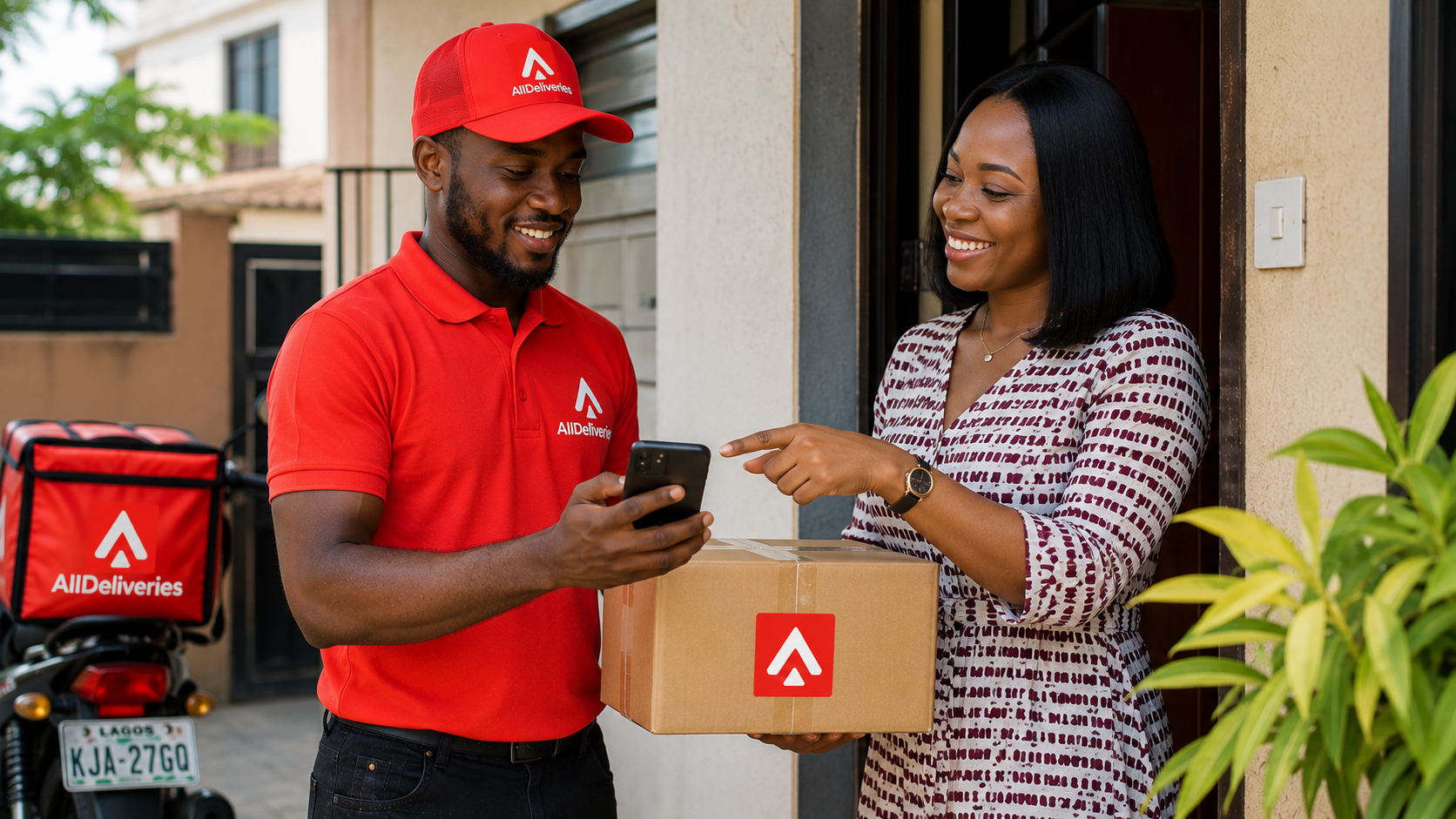
Digital payments have made it easier for businesses and customers to complete transactions without relying entirely on physical cash. Mobile banking, bank transfers, payment links, cards, and other electronic payment methods can make payment faster and easier to manage.
For businesses in Nigeria, digital payments can improve delivery operations by reducing payment-related delays, making transactions easier to track, and giving customers more convenient ways to pay. Understanding these benefits can help businesses create a smoother delivery experience.
Services You May Like
1. What Are Digital Payments?
Digital payments are transactions completed electronically without the need to exchange physical cash. They can include bank transfers, debit or credit card payments, payment links, mobile payment applications, and other electronic payment methods.
In delivery services, digital payments can be used to pay for products, delivery charges, or other fees associated with an order.
2. How Do Digital Payments Improve Delivery Services?
Digital payments can make the payment stage of delivery faster and easier to manage. Customers can complete transactions remotely, while businesses can receive payment information without waiting for physical cash to be collected and processed.
This can help reduce unnecessary delays and make the overall delivery process more efficient.
3. Faster Payment Processing
One of the main benefits of digital payments is speed. A customer can make a payment from their phone or another connected device without needing to visit a bank or handle cash.
When payment is confirmed quickly, businesses can process orders and prepare them for delivery sooner.
4. Reduced Dependence on Cash
Handling physical cash can create additional work for customers, drivers, and businesses. Drivers may need to carry cash, provide change, or return collected money to the business.
Digital payments reduce the need for these processes. This can make transactions easier to manage and reduce some of the challenges associated with cash handling.
5. Easier Cash-on-Delivery Management
Cash on delivery allows customers to pay when their orders arrive. While this option can be convenient, collecting and managing cash can create challenges for delivery businesses.
Digital payment options can provide an alternative when customers prefer to pay electronically at the point of delivery. This can reduce the amount of cash drivers need to collect during their daily operations.
6. Better Payment Records
Digital transactions usually create electronic records that businesses can use to track payments.
These records can make it easier to confirm whether an order has been paid for and reconcile transactions with customer orders.
Clear payment records can also help reduce confusion when a business is handling many deliveries.
7. Fewer Payment Errors
Physical cash transactions can sometimes result in incorrect change, missing cash, or misunderstandings about the amount paid.
Digital payments allow customers to enter or approve a specific amount electronically. When properly recorded, this can reduce some common payment errors.
However, businesses should still confirm transaction status before considering an order fully paid.
8. More Convenient for Customers
Customers have different payment preferences. Some may prefer bank transfers, while others may be more comfortable using cards or payment links.
Offering multiple digital payment options allows customers to choose a method that works for them. This can make the payment stage more convenient and improve the overall delivery experience.
9. Faster Order Confirmation
For businesses that require payment before dispatch, digital payments can speed up order confirmation.
Once a payment has been successfully verified, staff can move the order to the next stage instead of waiting for a physical payment to be received.
This can help reduce the time between placing an order and dispatching it.
10. Easier Communication Between Businesses and Delivery Teams
Digital payment records can help businesses communicate payment status to delivery staff.
For example, if an order has already been paid for, the delivery team can have clear instructions about what needs to be collected from the customer, if anything.
This can reduce confusion during delivery.
11. Digital Payments Can Improve Delivery Security
Carrying large amounts of cash can create security concerns for delivery workers. Reducing the amount of physical cash handled during deliveries can lower some of the risks associated with cash transportation.
Businesses should still use appropriate security measures and choose reliable payment systems to protect transactions and customer information.
12. Easier Refunds and Payment Reversals
When an order is cancelled or a customer is entitled to a refund, digital payment systems can make it easier to process the transaction electronically.
The exact refund process depends on the payment method and provider, so businesses should maintain clear procedures for handling refunds and failed transactions.
13. Digital Payments Support Online Businesses
Many online businesses depend on delivery services to complete customer orders. Digital payments allow customers to pay remotely before their products are dispatched.
This is particularly useful for businesses that operate primarily online because payment and delivery can be managed without requiring customers to visit a physical shop.
14. Better Financial Tracking
Digital payment records can help businesses monitor revenue from delivered orders and compare payments against their sales records.
This can make financial reconciliation easier and help businesses identify unpaid orders, duplicate transactions, or other discrepancies.
Accurate records are especially important as the number of daily deliveries increases.
15. Digital Payments Can Reduce Delivery Delays
Payment problems can sometimes prevent an order from being dispatched or completed. Customers may not have enough cash available, drivers may not have the correct change, or payment confirmation may take time.
Digital payment options can reduce some of these problems by allowing transactions to be completed electronically.
16. Digital Payments Work With Modern Delivery Systems
Digital payments can be integrated with other business and delivery tools. Order management systems can connect payment information with customer orders, while automated notifications can inform customers when payments have been received.
When these systems work together, businesses can manage orders, payments, and deliveries more efficiently.
17. Businesses Still Need Reliable Payment Procedures
Digital payments can improve delivery services, but businesses still need proper procedures for handling transactions.
They should confirm successful payments through reliable records rather than relying only on screenshots or customer messages. Staff should also know how to handle failed, pending, duplicated, or reversed transactions.
Clear procedures can prevent payment issues from affecting delivery operations.
18. Digital Payments Improve the Overall Customer Experience
A delivery process is easier for customers when they can place an order, pay conveniently, receive updates, and track the progress of their delivery without unnecessary complications.
Digital payments contribute to this experience by making the payment stage faster and more flexible.
When payment systems work properly alongside delivery operations, customers can enjoy a smoother and more convenient service.
Common Digital Payment Mistakes to Avoid
Businesses should avoid common payment problems that can affect delivery services, including:
-
Accepting payment without properly confirming the transaction
-
Relying on customer screenshots as the only proof of payment
-
Offering too few payment options
-
Failing to keep accurate transaction records
-
Ignoring failed or pending transactions
-
Sharing sensitive payment information carelessly
-
Delaying refunds when they are due
-
Failing to train staff on payment procedures
-
Not reconciling payments with completed orders
-
Using unreliable payment systems
Benefits of Digital Payments for Delivery Services
Faster Transactions
Customers can make payments electronically without waiting to exchange physical cash.
Reduced Cash Handling
Businesses and delivery workers can handle less physical money during delivery operations.
Better Payment Records
Electronic transactions make it easier to track and reconcile payments.
Greater Customer Convenience
Customers can choose from different payment methods that suit their needs.
Smoother Delivery Operations
When payments are processed and confirmed efficiently, businesses can reduce payment-related delays and complete deliveries more smoothly.
Final Thoughts
Digital payments have become an important part of modern delivery services. They can make transactions faster, reduce dependence on physical cash, improve payment records, and give customers more convenient ways to pay.
For businesses in Nigeria, offering reliable digital payment options can help simplify the connection between sales and delivery. It can also reduce some of the challenges associated with cash-on-delivery transactions and manual payment processing.
However, digital payments work best when businesses have clear procedures for confirming transactions, handling failed payments, processing refunds, and protecting customer information.
When payment systems and delivery operations work together effectively, businesses can reduce avoidable delays, improve efficiency, and provide customers with a smoother delivery experience.
Comments
No comments yet. Be the first to comment.