Delivery services have become an important part of everyday business in Nigeria. From online shopping and food orders to documents and business supplies, more customers depend on delivery services to move goods from one location to another.
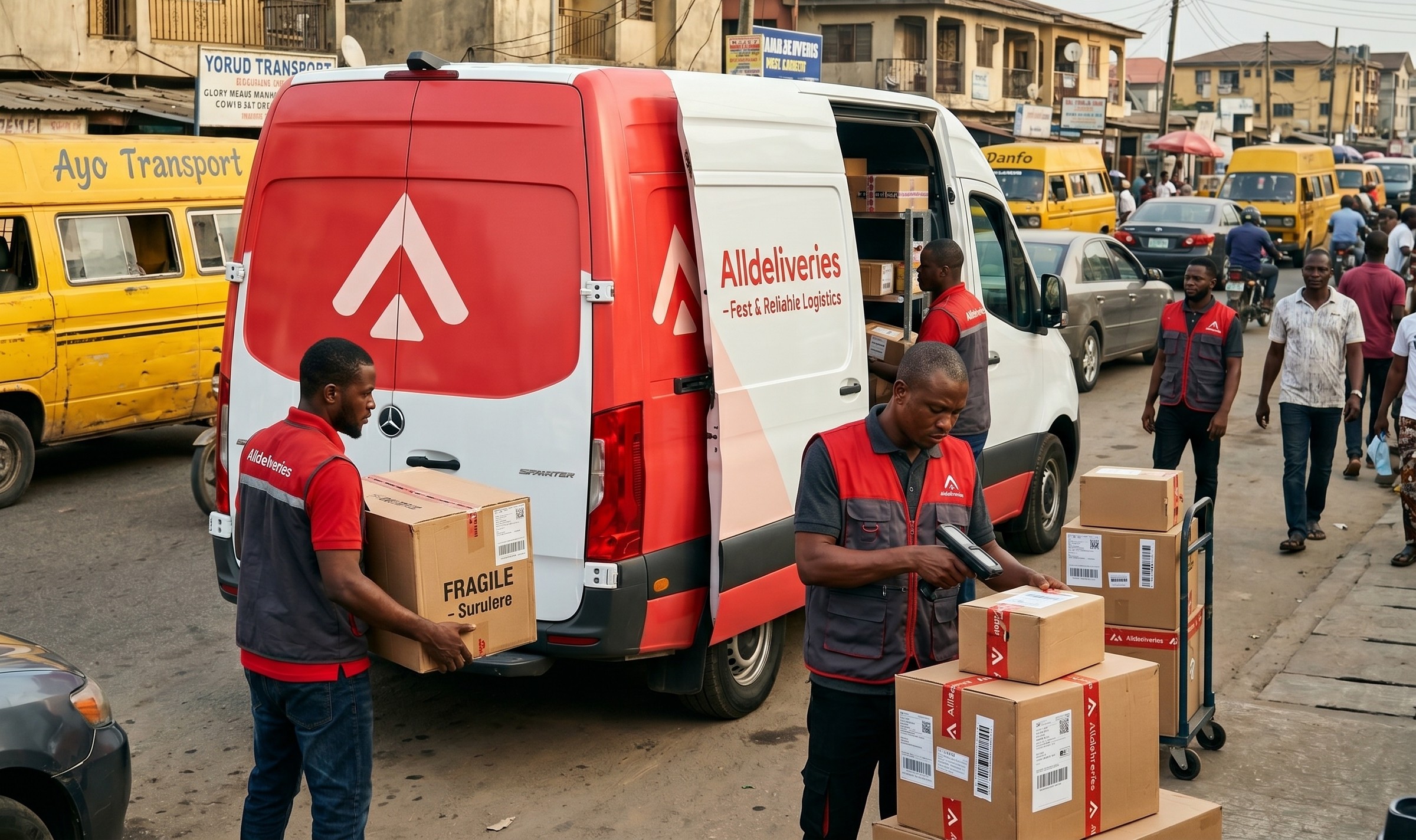
As demand for faster and more reliable deliveries increases, technology is changing how businesses manage their delivery operations. Digital platforms, GPS tracking, electronic payments, route-planning tools, and automated notifications are making it easier to organise deliveries and keep customers informed.
For businesses in Nigeria, understanding how delivery technology is changing the industry can help them improve efficiency, reduce avoidable delays, and provide a better experience for customers.
Services You May Like
1. What Is Delivery Technology?
Delivery technology refers to digital tools and systems used to manage, monitor, and improve the movement of goods from businesses to customers.
These technologies can include GPS tracking, delivery management software, digital payment systems, online ordering platforms, route-planning tools, electronic proof of delivery, and automated customer notifications.
2. How Is Technology Changing Delivery Services?
Technology is making delivery operations more organised and easier to monitor. Businesses can now collect information about orders, drivers, vehicles, routes, payments, and customers in one system.
This allows businesses to make decisions based on real-time or recorded information instead of relying entirely on manual processes.
3. GPS Tracking Improves Delivery Visibility
GPS tracking allows businesses to monitor the location of delivery vehicles while they are on the road.
This can help businesses understand where a delivery is and identify potential delays. Customers may also receive tracking information that gives them a better idea of their order's progress.
4. Route Planning Makes Deliveries More Efficient
Digital route-planning tools can help businesses organise delivery routes based on destinations, distances, traffic conditions, and other relevant factors.
Better routes can reduce unnecessary travel and help drivers complete multiple deliveries more efficiently.
This can be particularly useful in busy Nigerian cities where traffic can significantly affect delivery times.
5. Digital Payments Make Transactions Easier
Digital payment methods allow customers to pay for products and delivery services electronically.
Bank transfers, cards, payment links, and other electronic payment methods can reduce dependence on physical cash and make it easier for businesses to confirm and record transactions.
This can also simplify cash-on-delivery operations when customers prefer to pay electronically at the point of delivery.
6. Online Ordering Connects Customers With Delivery Services
Online ordering platforms have made it easier for customers to purchase products without visiting a physical shop.
Once an order is placed, businesses can receive the customer's details, prepare the product, and arrange delivery using digital systems.
This connection between ordering and delivery has helped make delivery an important part of modern commerce in Nigeria.
7. Automated Notifications Keep Customers Informed
Technology allows businesses to send customers updates about their orders.
Notifications may inform customers that an order has been received, processed, dispatched, or delivered.
Keeping customers informed can reduce uncertainty and limit the need for repeated calls asking about the status of an order.
8. Electronic Proof of Delivery Improves Record Keeping
Electronic proof of delivery allows businesses to record important information about completed deliveries digitally.
Depending on the system, this may include signatures, delivery confirmations, photographs, timestamps, or other relevant information.
Digital records can make it easier for businesses to confirm completed deliveries and resolve certain disputes.
9. Delivery Management Systems Improve Coordination
Businesses handling many orders can use delivery management systems to organise their operations.
These systems can help manage orders, assign deliveries, monitor drivers, track delivery progress, and keep relevant information together.
Better coordination can reduce confusion and make delivery operations easier to manage as order volumes increase.
10. Technology Helps Businesses Manage More Deliveries
As businesses grow, handling deliveries manually can become increasingly difficult.
Digital tools can automate or simplify repetitive tasks such as assigning orders, sending notifications, recording delivery information, and monitoring vehicles.
This allows businesses to manage larger delivery volumes without relying entirely on manual processes.
11. Technology Helps Reduce Delivery Errors
Incorrect addresses, missing information, wrong products, and communication problems can all lead to delivery failures.
Digital systems can help businesses store customer information, order details, delivery instructions, and other relevant data in an organised manner.
Proper use of these systems can reduce some common errors, although businesses still need to verify important information before dispatch.
12. Data Helps Businesses Improve Delivery Performance
Technology generates information that businesses can use to understand their delivery operations.
They can review delivery times, routes, failed deliveries, customer locations, vehicle activity, and other operational information.
This can help businesses identify recurring problems and make changes that improve efficiency.
13. Technology Supports Better Fleet Management
Businesses that operate multiple delivery vehicles can use technology to monitor and manage their fleets.
Tracking systems can provide information about vehicle locations and movement, while fleet management tools can help businesses organise vehicle assignments and delivery schedules.
This can improve the use of available vehicles and make logistics operations easier to coordinate.
14. Technology Can Improve Customer Service
Customers increasingly expect businesses to provide clear information about their orders.
Technology can make it easier to provide tracking updates, estimated delivery information, payment confirmations, and other useful notifications.
When customers have better information, they may be less likely to experience uncertainty during the delivery process.
15. Delivery Technology Supports Small Businesses
Delivery technology is not limited to large companies. Small businesses can also use digital tools to organise orders, communicate with customers, receive payments, and arrange deliveries.
This can allow smaller businesses to serve customers outside their immediate neighbourhood and compete more effectively in an increasingly digital market.
16. Technology Helps Manage Failed Deliveries
A delivery may fail because the recipient is unavailable, the address is incorrect, the phone cannot be reached, or the courier encounters another problem.
Digital systems can help record failed attempts and communicate the next steps to the business, courier, and customer.
This makes it easier to arrange another delivery attempt or determine whether the package should be collected or returned.
17. Technology Does Not Eliminate Delivery Challenges
Although technology can improve delivery operations, it cannot solve every problem.
Traffic congestion, poor road conditions, inaccurate addresses, vehicle breakdowns, weather, network problems, and customer availability can still affect deliveries.
Technology is most effective when combined with good planning, reliable staff, accurate customer information, and clear operational procedures.
18. The Future of Delivery Technology in Nigeria
Delivery technology is likely to continue developing as more businesses and customers depend on digital commerce and logistics services.
Businesses may increasingly use more connected systems to manage orders, payments, inventory, vehicles, routes, and customer communication.
The businesses that use these tools effectively can improve their operations while adapting to changing customer expectations.
Common Delivery Technology Mistakes to Avoid
Businesses should avoid common technology-related problems that can affect delivery operations, including:
-
Using unreliable delivery software
-
Failing to update customer information
-
Providing inaccurate tracking information
-
Relying entirely on technology without human oversight
-
Ignoring data security and privacy considerations
-
Failing to train staff on digital systems
-
Not maintaining tracking devices or equipment
-
Using too many disconnected systems
-
Failing to review delivery data
-
Assuming technology can prevent every delivery problem
Benefits of Delivery Technology
Faster Delivery Management
Digital tools can help businesses organise orders, routes, drivers, and delivery schedules more efficiently.
Better Delivery Visibility
GPS tracking and digital updates allow businesses and customers to have a clearer view of delivery progress.
Easier Payments
Digital payment options make transactions more convenient and reduce the need to handle physical cash.
Improved Record Keeping
Electronic records can make it easier to track orders, payments, delivery attempts, and completed deliveries.
Better Customer Experience
Timely updates, convenient payment options, and improved delivery coordination can make the overall customer experience smoother.
Final Thoughts
Technology is changing delivery services in Nigeria by making it easier for businesses to manage orders, track vehicles, plan routes, process payments, communicate with customers, and record completed deliveries.
Tools such as GPS tracking, digital payments, route-planning systems, and delivery management platforms can help businesses reduce avoidable delays and improve operational efficiency.
However, technology is not a replacement for proper planning and good customer service. Businesses still need accurate addresses, reliable delivery personnel, suitable vehicles, and clear procedures to provide dependable services.
As Nigeria's digital economy continues to develop, delivery technology will remain an important part of how businesses move products and serve customers.
Businesses that adopt suitable technology and use it effectively can improve their delivery operations, respond to customer needs more efficiently, and build a more reliable delivery experience.
Comments
No comments yet. Be the first to comment.