Delivery companies handle a large number of packages every day, moving products from businesses, warehouses, and sellers to customers across different locations. Managing this volume requires much more than simply picking up and dropping off packages.
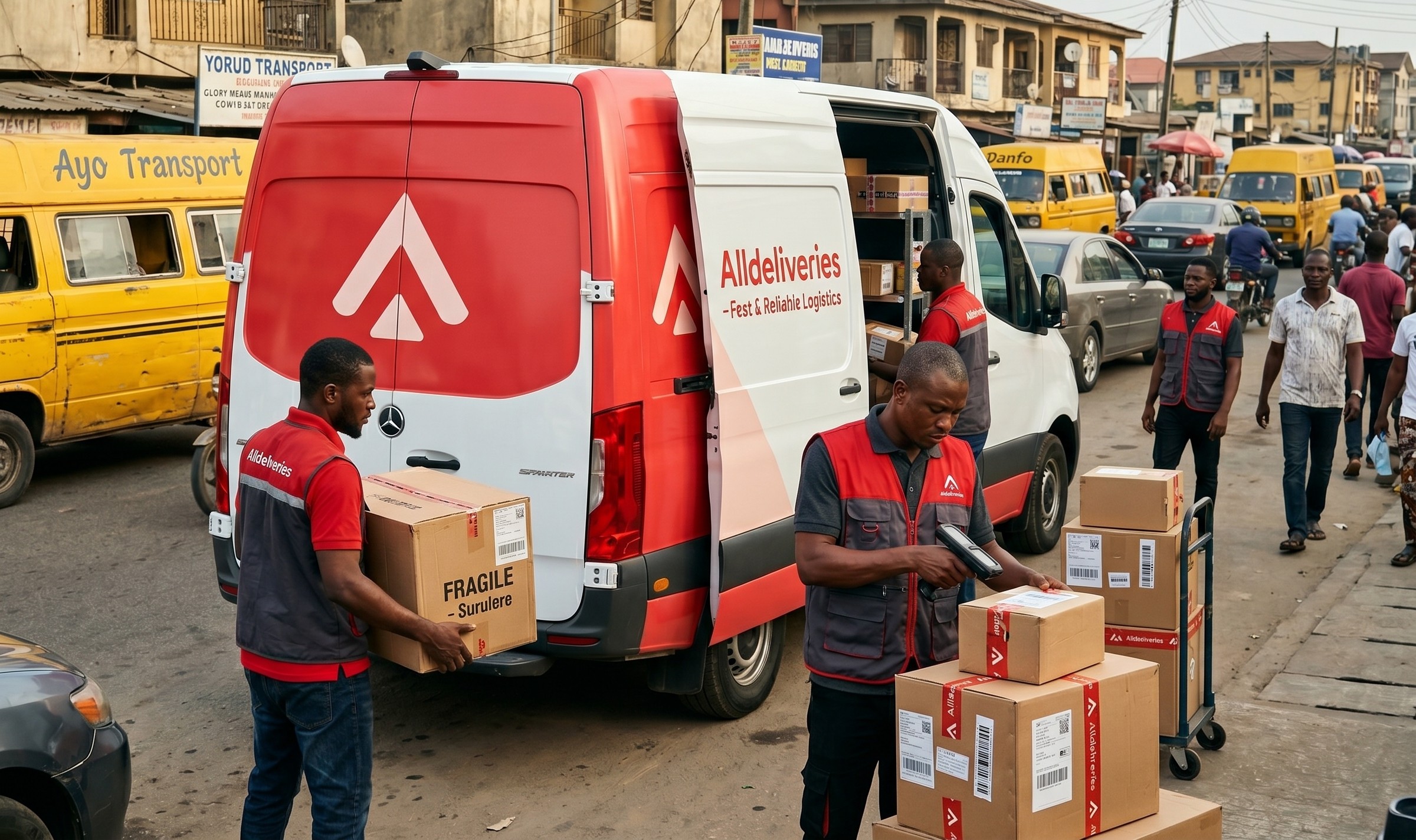
Every package needs to be recorded, sorted, transported, tracked, and delivered to the correct recipient. When thousands of packages are involved, even a small mistake can affect several deliveries.
To manage this workload, delivery companies rely on organised processes, trained personnel, suitable transportation, technology, and careful planning.
Services You May Like
Understanding how these systems work can help businesses and customers appreciate what happens behind the scenes after a package is handed over for delivery.
1. Packages Are Recorded When They Are Received
The process usually begins when a delivery company receives a package.
Important information is recorded, such as:
- Sender details.
- Recipient details.
- Delivery address.
- Package size and weight.
- Delivery service selected.
- Tracking information.
Accurate information at this stage is important because it helps prevent problems later in the delivery process.
2. Packages Are Labelled
Packages need clear identification so they can be handled correctly as they move through the delivery network.
Labels may contain information such as the recipient's address, tracking number, and other relevant shipment details.
A clear label helps workers identify packages quickly and reduces the possibility of sending an item to the wrong destination.
3. Packages Are Sorted by Destination
When a delivery company receives thousands of packages, they cannot all be sent directly to individual customers at the same time.
Packages are usually organised according to their destinations or delivery routes.
They may be grouped by:
- City.
- State.
- Area.
- Delivery route.
- Distribution centre.
- Delivery service.
Sorting helps create a more organised flow of packages through the logistics network.
4. Packages Move Through Distribution Centres
Large delivery operations may use warehouses or distribution centres where packages are received, organised, and transferred to their next destination.
A package may pass through more than one facility before reaching the customer's location.
At each stage, the package needs to be correctly identified and directed toward its final destination.
5. Technology Helps Track Packages
Technology plays an important role in managing large shipment volumes.
Tracking systems can record important events in the delivery process, such as when a package is:
- Received.
- Sorted.
- Dispatched.
- In transit.
- Out for delivery.
- Delivered.
This gives delivery companies better visibility over their operations and allows customers to monitor their orders.
6. Barcodes and Digital Scanning Reduce Manual Errors
When thousands of packages are being handled, manually recording every movement can be slow and prone to mistakes.
Barcodes, QR codes, scanners, and other digital identification systems can make it easier to record package movements.
A package can be scanned at different points in the delivery process, creating a digital record of its progress.
7. Packages Are Grouped for Transportation
Delivery companies need to use transportation efficiently.
Packages going toward the same area may be grouped together before being loaded onto an appropriate vehicle.
This can help reduce unnecessary journeys and make better use of available transportation capacity.
The type of vehicle used may depend on:
- Package volume.
- Package size.
- Weight.
- Destination.
- Distance.
- Road conditions.
8. Routes Are Planned Carefully
Route planning becomes increasingly important when a delivery company has many packages to deliver.
Instead of sending delivery personnel randomly from one address to another, routes can be organised according to customer locations.
Good route planning can help:
- Reduce travel time.
- Lower fuel consumption.
- Increase delivery capacity.
- Reduce unnecessary movement.
- Improve delivery schedules.
Technology can support this process, but local knowledge remains valuable when dealing with traffic, road conditions, and difficult locations.
9. Delivery Personnel Receive Assigned Packages
Once packages have been sorted and routes have been organised, delivery personnel can receive packages assigned to their routes.
They may check the packages against their delivery list before leaving the facility.
This verification process helps ensure that the correct packages are loaded before the delivery journey begins.
10. Packages Are Scanned Before Going Out for Delivery
A package may receive an additional scan when it leaves a warehouse or distribution centre.
This can update its status to indicate that it is on its way to the delivery area or customer.
Customers may then see a corresponding update if the delivery company's tracking system provides this information.
11. Delivery Personnel Navigate Multiple Addresses
A delivery rider or driver may have several packages to deliver during one route.
The delivery sequence can be organised based on location and other practical considerations.
In busy areas, traffic conditions may require routes to be adjusted during the day.
Experienced delivery personnel can use both technology and local knowledge to make practical routing decisions.
12. Customer Information Is Confirmed
Accurate customer information is essential when handling large numbers of packages.
Delivery personnel may need to confirm details such as:
- Recipient's name.
- Phone number.
- Address.
- Building or estate.
- Nearby landmark.
- Delivery instructions.
Incomplete information can slow down the delivery process and may result in failed delivery attempts.
13. Customers May Receive Delivery Notifications
Many delivery systems provide customers with notifications about their packages.
These updates can inform customers when their orders have been dispatched or are approaching their destination.
Communication helps customers prepare to receive their packages and can reduce uncertainty about delivery progress.
14. Delivery Attempts Are Recorded
When a package reaches its destination, the delivery company needs to record the outcome.
A successful delivery may be marked as completed.
If the customer is unavailable or the location cannot be reached, the delivery attempt may be recorded as unsuccessful and handled according to the company's procedures.
Keeping accurate records helps delivery companies manage large shipment volumes.
15. Proof of Delivery Provides Confirmation
Delivery companies may use different forms of proof to confirm that a package was delivered.
Depending on the service, this could involve:
- Recipient confirmation.
- Digital signatures.
- Delivery codes.
- Photographic confirmation where appropriate.
- Digital delivery records.
Proof of delivery can help businesses and delivery companies resolve disputes about whether an order was received.
16. Failed Deliveries Are Managed Separately
Not every delivery is completed on the first attempt.
A package may not be delivered because:
- The customer is unavailable.
- The address is incomplete.
- The phone number cannot be reached.
- The destination is difficult to locate.
- Access to the location is restricted.
Delivery companies need procedures for handling these situations, such as contacting the customer, rescheduling delivery, or returning the package according to their policies.
17. Warehouses Help Manage Package Volume
Warehouses and distribution centres provide space for receiving, sorting, storing, and dispatching packages.
When large numbers of shipments are involved, the layout and organisation of these facilities can affect how efficiently packages move through the system.
Packages need to be positioned in a way that makes them easy to identify and transfer to the next stage.
18. Staff Work Together Across Different Stages
Handling thousands of packages requires coordination between different teams.
Depending on the company, these may include:
- Warehouse workers.
- Sorters.
- Dispatch personnel.
- Drivers.
- Riders.
- Customer service staff.
- Operations managers.
- Technology and tracking teams.
Each team contributes to keeping the delivery process moving.
Common Mistakes That Can Make High-Volume Delivery Difficult
Delivery companies should avoid:
- Poor package labelling.
- Inaccurate customer information.
- Disorganised sorting.
- Inefficient route planning.
- Poor warehouse organisation.
- Failing to update tracking information.
- Overloading delivery personnel.
- Ignoring failed delivery patterns.
- Poor communication with customers.
- Inadequate package handling procedures.
Avoiding these problems can help delivery companies maintain efficient operations as shipment volumes increase.
Benefits of Efficient High-Volume Delivery Operations
Faster Package Processing
Organised sorting and scanning can help packages move through facilities more efficiently.
Better Tracking
Digital systems can provide greater visibility into the location and status of packages.
Lower Operating Costs
Efficient routes and organised transportation can reduce unnecessary travel and resource use.
Fewer Delivery Errors
Accurate records and package identification can reduce the risk of shipments being misplaced or delivered incorrectly.
Better Customer Experience
Reliable tracking, communication, and delivery processes can make customers more confident in the service.
Final Thoughts
Handling thousands of packages every day requires a carefully organised logistics system. Delivery companies need to coordinate package collection, labelling, sorting, transportation, route planning, tracking, and final delivery while maintaining accurate records throughout the process.
Technology plays an important role by helping companies scan packages, monitor shipments, manage routes, and communicate delivery updates. However, technology alone is not enough.
Trained staff, organised warehouses, reliable transportation, accurate customer information, and good planning are equally important.
For businesses that depend on delivery services, understanding how high-volume logistics works can also help them prepare packages correctly and provide accurate customer information.
When all these parts work together, delivery companies can handle large numbers of packages more efficiently while maintaining a reliable service for businesses and customers.
Comments
No comments yet. Be the first to comment.