Courier companies play an important role in moving packages, documents, products, and other items from one location to another. Individuals use courier services to send personal items, while businesses rely on them to deliver orders to customers across different locations.
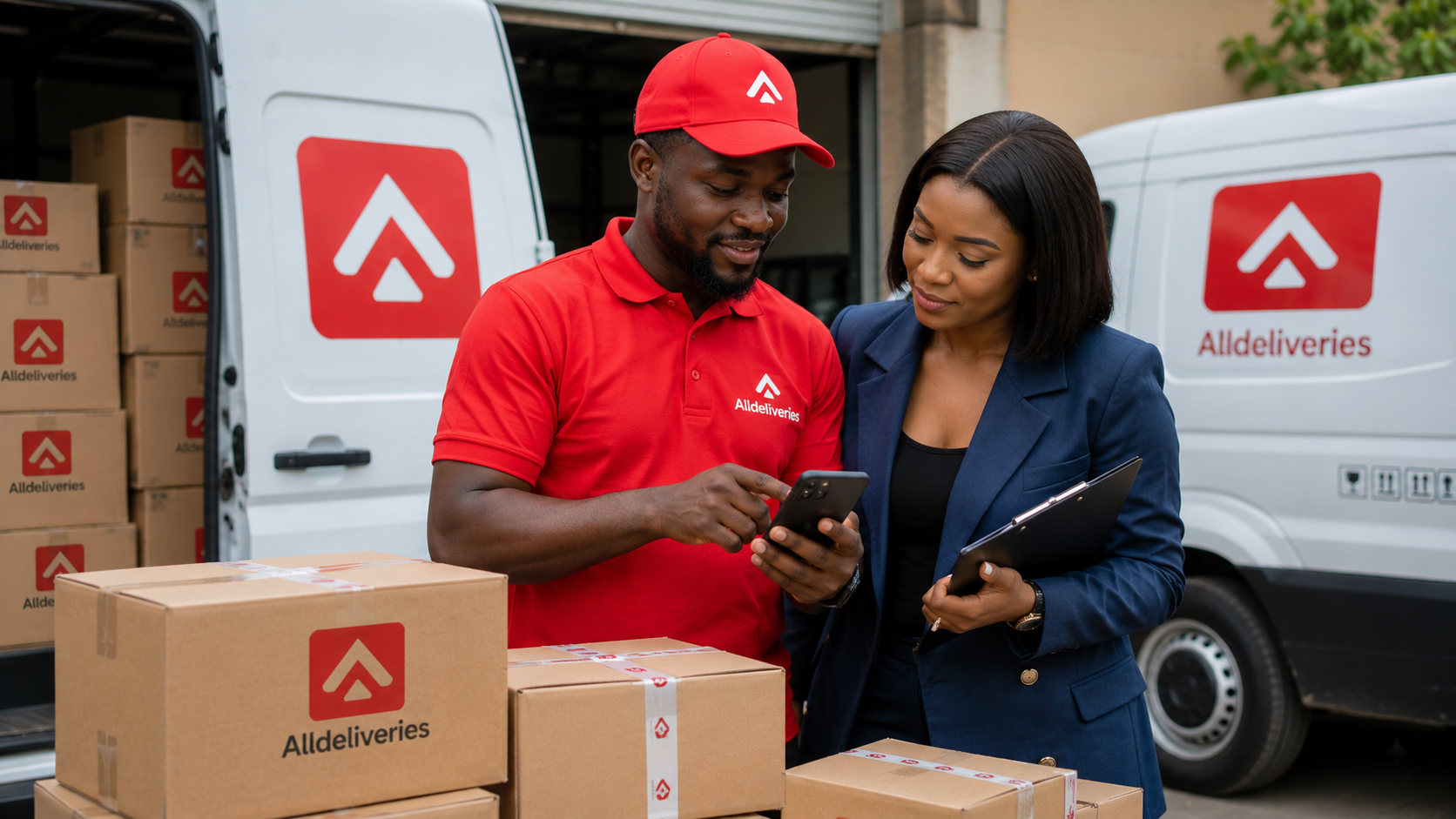
Although a customer may only see the final stage of a delivery, several processes can take place before a package reaches its destination. These can include collection, packaging checks, sorting, transportation, tracking, and final delivery.
In Nigeria, courier companies may handle deliveries within cities, between states, or across wider parts of the country. The exact process depends on the company's network, delivery service, package type, and destination.
Services You May Like
Understanding how courier companies operate can help customers and businesses know what to expect when sending or receiving packages.
1. Customers Request a Delivery
The courier process usually begins when a customer or business requests a delivery.
The sender provides information about the package and the intended recipient. Depending on the courier company, the request may be made through an online platform, mobile application, phone call, physical office, or other available channel.
The customer may also select a preferred delivery option based on factors such as location, urgency, and cost.
2. The Courier Collects the Package
After a delivery has been arranged, the package may be collected from the sender's location.
Some courier companies offer pickup services, while others may require customers to take their packages to a branch or designated drop-off point.
During collection, the courier may confirm relevant package and delivery information before accepting the shipment.
3. Package Details Are Recorded
Courier companies need accurate information to identify and move packages correctly.
Details may include:
- Sender's information.
- Recipient's name.
- Recipient's phone number.
- Delivery address.
- Package details.
- Tracking information.
- Delivery instructions where applicable.
Accurate information helps reduce the risk of packages being delayed or sent to the wrong location.
4. Packages May Be Checked Before Transportation
Depending on the courier's procedures, packages may be checked before they enter the transportation network.
The company may consider the package's size, weight, condition, packaging, and whether the item is permitted under its policies.
Customers should follow the courier's packaging and shipment requirements to avoid unnecessary problems.
5. Packages Are Sorted
Once packages are accepted, they may be sorted according to their destinations.
For example, shipments going to different cities or regions may be separated so they can be sent through the appropriate routes.
Sorting helps courier companies organise large numbers of packages and direct them towards the correct destinations.
6. Packages Are Transported
After sorting, packages are transported towards their destinations.
The method of transportation can depend on the distance, route, package requirements, and courier company's operations.
For deliveries between different cities or states, a package may pass through one or more facilities before reaching the destination area.
7. Packages May Pass Through Several Facilities
A package does not always travel directly from the sender to the recipient.
It may move through different locations within the courier's network, such as:
- Collection points.
- Sorting facilities.
- Distribution centres.
- Regional offices.
- Destination facilities.
Each stage helps the courier organise and move shipments towards their final destinations.
8. Deliveries Are Tracked
Many courier companies provide tracking services that allow customers to monitor their packages.
A tracking system may show different stages of the delivery process, such as when a package has been received, transported, processed, or assigned for delivery.
The information available can vary depending on the courier company and service selected.
9. Packages Reach the Destination Area
After transportation, the package eventually reaches a facility or location serving the recipient's area.
At this stage, the package may be prepared for the final delivery journey.
The courier may review the recipient's details and assign the shipment to a rider or driver responsible for completing the delivery.
10. Last-Mile Delivery Takes Place
Last-mile delivery refers to the final movement of a package from a local facility or distribution point to the recipient.
This stage can involve travelling through residential areas, business districts, estates, offices, or other locations to reach the recipient's exact address.
Accurate addresses and clear directions can make this stage easier and more efficient.
11. The Courier May Contact the Recipient
A courier may contact the recipient before or during the final delivery.
The courier may call to:
- Confirm the recipient's location.
- Request directions.
- Announce their arrival.
- Confirm availability.
- Resolve an address issue.
Keeping the provided phone number active can help prevent unnecessary delivery problems.
12. The Package Is Handed Over to the Recipient
When the courier reaches the delivery location, the package is handed over to the recipient or another authorised person where permitted.
Depending on the type of shipment and courier procedures, the recipient may need to provide confirmation, a code, identification, or a signature before receiving the package.
The courier may also record proof that the package has been delivered.
13. Failed Delivery Attempts May Occur
A delivery cannot always be completed on the first attempt.
A failed delivery may occur when:
- The recipient is unavailable.
- The phone number cannot be reached.
- The address is incorrect.
- The courier cannot locate the destination.
- The recipient declines the package.
- Another delivery problem occurs.
The courier company's next steps will depend on its procedures and the circumstances of the failed attempt.
14. Another Delivery Attempt May Be Arranged
When a delivery is unsuccessful, the courier may contact the recipient or sender to determine what should happen next.
Depending on the company's policy, another delivery attempt may be arranged.
Customers should respond promptly to delivery notifications or calls to help resolve the issue.
15. Packages May Be Held at a Facility
If a package cannot be delivered immediately, it may be held at a courier facility or another designated location.
The holding period and conditions can vary between courier companies.
The recipient may be contacted about another delivery attempt or given the option to collect the package, where available.
16. Some Packages May Be Returned
If a package cannot be delivered after the applicable attempts or holding period, it may eventually be returned to the sender.
The exact conditions for returning a package depend on the courier company's policy and the circumstances of the shipment.
Customers should contact the courier or sender promptly if a delivery problem occurs.
17. Courier Companies Handle Different Types of Deliveries
Courier companies may offer different services depending on their capabilities and network.
These can include:
- Same-city delivery.
- Inter-state delivery.
- Standard delivery.
- Express delivery.
- Business deliveries.
- E-commerce order fulfilment.
- Document delivery.
- Package pickup services.
The availability of each service varies between courier companies.
18. Businesses Often Use Courier Companies for Order Fulfilment
Online sellers and other businesses commonly rely on courier companies to deliver products to customers.
A business may receive an order, prepare and package the product, provide the customer's delivery details, and arrange for a courier to collect and deliver the package.
Using a courier can allow businesses to serve customers outside their immediate location without managing every delivery themselves.
19. Delivery Costs Depend on Several Factors
Courier charges can vary depending on the shipment.
Factors that may affect the cost include:
- Delivery distance.
- Package size.
- Package weight.
- Delivery speed.
- Destination.
- Type of service.
- Other applicable service conditions.
Customers should confirm the applicable charges before sending a package.
20. Courier Companies Manage Delivery Problems
Courier operations also involve handling problems that can occur during transportation.
These may include delayed shipments, incorrect addresses, failed delivery attempts, damaged packages, or other issues.
The courier company may investigate the problem, contact the sender or recipient, and determine the appropriate next step according to its procedures.
Common Mistakes to Avoid When Using a Courier Company
Customers and businesses should avoid:
- Providing an incorrect delivery address.
- Giving an inactive phone number.
- Using poor packaging.
- Sending items without checking courier restrictions.
- Providing incomplete recipient information.
- Ignoring tracking updates.
- Failing to inform the recipient about an expected delivery.
- Ignoring calls from the courier.
- Assuming every courier service operates in the same way.
- Waiting too long to report a delivery problem.
Avoiding these mistakes can help reduce delays and make the delivery process easier for everyone involved.
Benefits of Understanding How Courier Companies Operate
Better Delivery Preparation
Knowing how courier operations work can help customers prepare packages and provide the information needed for successful delivery.
Fewer Delivery Problems
Accurate information, proper packaging, and clear communication can reduce common delivery issues.
Easier Package Tracking
Understanding the different stages of delivery can help customers make better use of tracking information.
Better Business Planning
Businesses can use their understanding of courier operations to plan order processing, packaging, dispatch, and customer communication more effectively.
Improved Customer Experience
When businesses and customers understand the delivery process, they can respond more quickly to problems and help ensure that packages reach their destinations successfully.
Final Thoughts
Courier companies operate through several stages to move packages from senders to recipients. These stages can include collection, information recording, sorting, transportation, tracking, destination processing, and last-mile delivery.
For Nigerian customers and businesses, understanding these processes can make it easier to prepare packages, provide accurate information, monitor shipments, and respond to delivery problems.
The exact way a courier company operates can vary depending on its network, service options, destination, and internal procedures. However, accurate customer information, secure packaging, clear communication, and proper tracking remain important parts of a successful delivery.
By understanding what happens behind the scenes, customers and businesses can have more realistic expectations and take practical steps to make their deliveries smoother and more reliable.
Comments
No comments yet. Be the first to comment.