When customers send or receive packages, they expect their items to arrive safely and in good condition. Whether the package contains clothing, documents, electronics, cosmetics, food products, or other goods, careful handling is important throughout the delivery process.
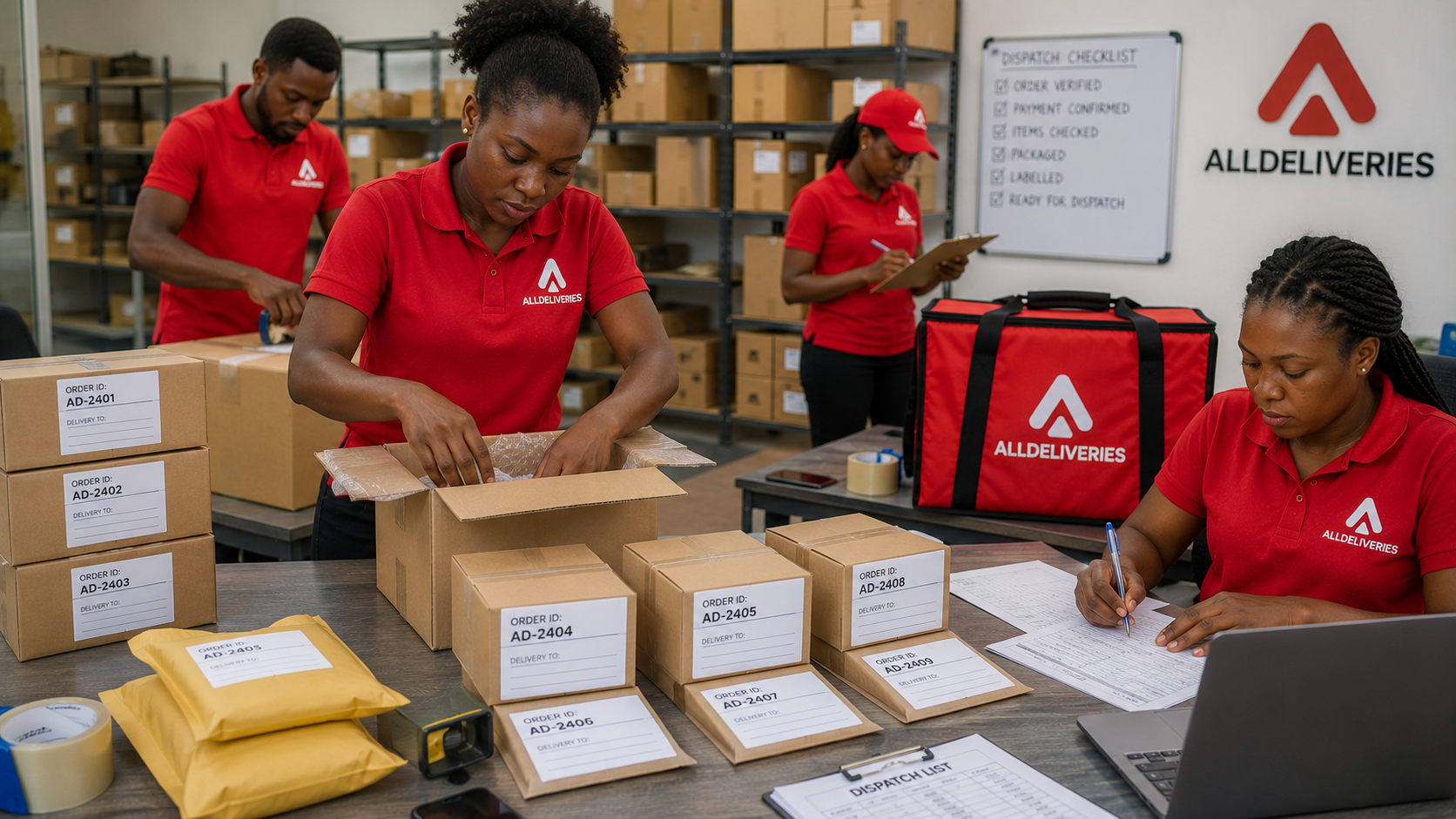
Courier companies manage thousands of packages moving between different locations. To reduce the risk of loss, damage, or incorrect delivery, they use a combination of packaging procedures, sorting systems, tracking technology, secure storage, transportation processes, and trained personnel.
For Nigerian customers and businesses, package safety can be particularly important because deliveries may involve long distances, busy roads, traffic, weather conditions, and multiple stages of transportation.
Services You May Like
Understanding how courier companies protect packages can help businesses and customers prepare their shipments properly and choose suitable delivery services.
1. Proper Packaging Starts With the Sender
Package safety begins before a courier company receives the shipment.
Senders should use packaging that is appropriate for the product. Fragile items may require additional protection, while heavy products need packaging that can withstand their weight.
Suitable packaging can include:
- Strong cartons.
- Protective wrapping.
- Bubble wrap.
- Paper cushioning.
- Protective envelopes.
- Secure sealing materials.
Proper packaging gives the package a better chance of remaining intact during transportation and handling.
2. Couriers Check Package Information
Accurate package information helps courier companies handle shipments correctly.
Depending on the service, information may include:
- Sender's details.
- Recipient's name.
- Recipient's phone number.
- Delivery address.
- Package description.
- Delivery instructions.
Clear information can reduce the possibility of a package being sent to the wrong location or experiencing unnecessary delays.
3. Packages Are Sorted Carefully
Courier companies often receive many packages that need to travel to different destinations.
Sorting allows shipments to be organised according to factors such as:
- Destination.
- Delivery route.
- Service type.
- Package size.
- Handling requirements.
An organised sorting process helps packages move through the delivery network more efficiently.
4. Tracking Helps Monitor Shipments
Tracking technology provides visibility into the movement of packages.
A shipment may be scanned or recorded at different stages, such as when it is:
- Received.
- Sorted.
- Dispatched.
- In transit.
- Out for delivery.
- Delivered.
Tracking information can help courier companies identify where a package was last recorded and assist with investigating delivery issues.
5. Packages May Be Stored in Secure Locations
Packages may need to be temporarily stored while they are waiting for transportation or collection.
Courier companies can use designated facilities or storage areas to organise shipments before they move to the next stage.
Proper storage helps prevent packages from being mixed up and can reduce unnecessary exposure to damage.
6. Careful Handling Reduces Damage
Courier personnel handle packages at different points during transportation.
Proper handling is particularly important for fragile or sensitive products.
Packages should be moved in a way that reduces unnecessary dropping, crushing, or rough handling.
Businesses should also clearly communicate special handling requirements when the delivery service allows it.
7. Vehicles Are Used to Transport Packages
Courier companies use different types of vehicles depending on the size, destination, and nature of shipments.
Motorcycles can be useful for certain urban deliveries, while cars, vans, and larger vehicles may be used for transporting larger quantities or longer-distance shipments.
Selecting an appropriate vehicle can help packages move safely and efficiently.
8. Delivery Routes Are Planned
Route planning can help courier companies organise how packages are transported.
Efficient routes can reduce unnecessary travel and help couriers manage multiple deliveries.
In busy Nigerian cities, route planning can be particularly useful because traffic congestion and road conditions can affect delivery journeys.
9. Packages Can Be Grouped by Destination
When several packages are travelling to the same general area, courier companies can organise them together as part of their distribution process.
This helps make transportation more efficient and reduces unnecessary movement between unrelated destinations.
Proper grouping also makes it easier for couriers to identify packages intended for particular delivery areas.
10. Fragile Items Receive Additional Protection
Some packages require more care than ordinary shipments.
Examples include:
- Glass items.
- Electronics.
- Ceramics.
- Certain laboratory materials.
- Delicate equipment.
These products may require additional cushioning or stronger packaging.
Senders should inform the courier company when an item requires special handling and follow the provider's packaging requirements.
11. Delivery Confirmation Helps Protect Packages
Courier companies may use delivery confirmation to record that a package has reached its intended recipient.
Depending on the service, confirmation may involve:
- Recipient details.
- A signature.
- A delivery code.
- Digital confirmation.
- Other proof of delivery.
This creates a record that can help resolve disputes about whether a shipment was delivered.
12. Customer Information Helps Couriers Complete Deliveries
Accurate contact information can make delivery safer and more efficient.
A courier may need to contact the recipient when an address is difficult to locate or when additional directions are required.
Providing a working phone number and useful location information can reduce failed delivery attempts.
13. Couriers Manage Failed Deliveries
Sometimes a recipient may be unavailable when the courier arrives.
Other problems may include:
- Incorrect addresses.
- Unreachable phone numbers.
- Access restrictions.
- Changes to delivery instructions.
Courier companies generally have procedures for handling such situations, which may include contacting the recipient or arranging another delivery attempt.
14. Secure Sealing Helps Prevent Package Tampering
Packages should be properly sealed before they enter the delivery process.
Strong tape, suitable packaging, and secure closures can help keep contents inside the package during transportation.
For valuable or sensitive shipments, senders should also follow any additional security requirements provided by the courier company.
15. Courier Staff Play an Important Role
Technology and procedures are useful, but people remain an important part of package safety.
Staff members involved in receiving, sorting, transporting, and delivering packages need to follow established procedures.
Careful handling and attention to package information can reduce avoidable mistakes.
16. Technology Helps Identify Problems
Modern courier operations can use technology to monitor shipments and manage large numbers of packages.
Digital systems can help with:
- Shipment tracking.
- Package identification.
- Delivery records.
- Route planning.
- Customer notifications.
- Order management.
These systems can make it easier to identify delays and investigate problems.
17. Customers Also Have a Role in Package Safety
Courier companies are responsible for handling packages carefully, but senders also have responsibilities.
Customers can improve package safety by:
- Using suitable packaging.
- Providing accurate addresses.
- Including a working phone number.
- Clearly identifying fragile items where required.
- Following the courier's packaging guidelines.
- Avoiding prohibited or improperly packaged items.
Good preparation makes the delivery process easier for everyone involved.
18. Choosing the Right Courier Service Matters
Different courier companies may offer different levels of coverage, tracking, handling, and delivery options.
Businesses should consider their specific needs before choosing a provider.
Important factors can include:
- Reliability.
- Delivery coverage.
- Tracking availability.
- Package handling.
- Delivery speed.
- Customer support.
- Pricing.
- Experience with particular types of shipments.
The right courier service can help reduce delivery risks while providing a better experience for customers.
Common Package Safety Mistakes to Avoid
Senders should avoid:
- Using weak or damaged packaging.
- Leaving packages poorly sealed.
- Providing incomplete delivery addresses.
- Using incorrect recipient information.
- Failing to identify special handling requirements.
- Overloading cartons.
- Using packaging that is too large without adequate cushioning.
- Sending prohibited items.
- Assuming the courier will correct incomplete information automatically.
- Choosing a delivery service without considering the nature of the package.
Avoiding these mistakes can reduce the risk of delays, damage, and failed deliveries.
Benefits of Proper Package Handling
Reduced Risk of Damage
Suitable packaging and careful handling can help protect products during transportation.
Better Customer Satisfaction
Customers are more likely to be satisfied when their orders arrive safely and in good condition.
Easier Shipment Tracking
Proper package identification and tracking systems provide better visibility throughout the delivery process.
Fewer Delivery Problems
Accurate information and organised handling can reduce avoidable mistakes.
Greater Customer Trust
Consistently safe deliveries can help businesses and courier companies build stronger relationships with customers.
Final Thoughts
Keeping packages safe requires cooperation between senders, courier companies, and recipients.
Courier companies use different processes to protect shipments, including sorting, tracking, secure storage, careful handling, route planning, transportation procedures, and delivery confirmation.
However, package safety begins with the sender. Using suitable packaging, providing accurate customer information, and communicating special handling requirements can make a significant difference.
For Nigerian businesses, these precautions are especially useful when sending products across busy cities or over longer distances.
Businesses should also choose courier providers based on more than price. Reliability, package handling, tracking, coverage, customer support, and delivery performance should all be considered.
When every stage of the delivery process is properly managed, packages are more likely to arrive safely, customers are more likely to remain satisfied, and businesses can build greater confidence in their delivery operations.
Comments
No comments yet. Be the first to comment.