Delivery is no longer just the final step after a customer places an order. For Nigerian businesses, it has become an important part of the customer experience, business reputation, and overall profitability.
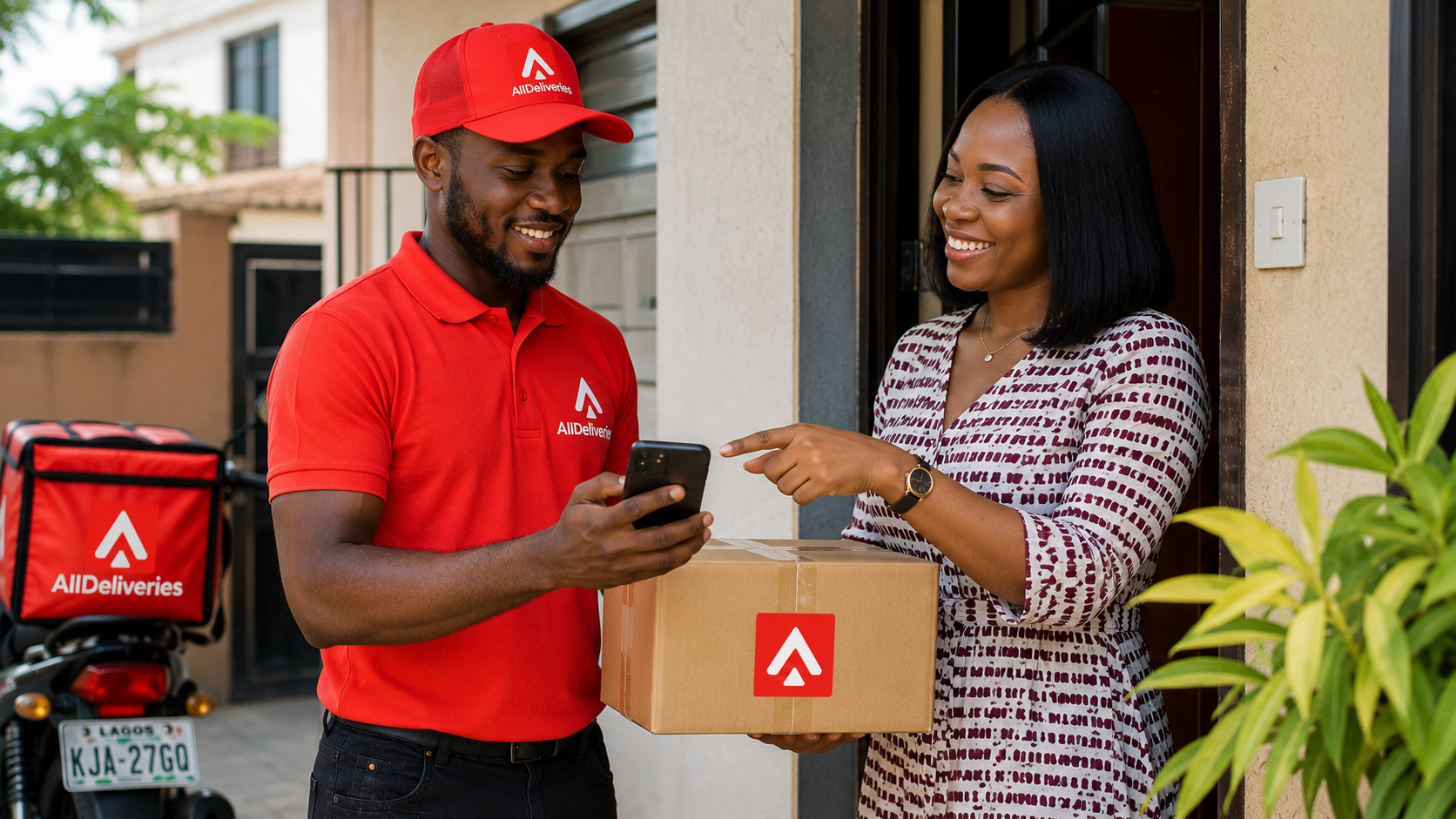
Customers increasingly want deliveries that are fast, predictable, affordable, and easy to track. At the same time, businesses are dealing with rising operating costs, traffic, difficult addresses, fuel expenses, and the challenges of getting products safely to customers.
As e-commerce, social commerce, and online shopping continue to grow, businesses that understand where delivery is heading will have a better chance of keeping customers and controlling costs.
Services You May Like
Here are the major delivery trends Nigerian businesses should pay attention to.
1. Faster Delivery Is Becoming a Competitive Advantage
Customers are becoming less willing to wait without knowing when their orders will arrive.
Same-day and next-day delivery are becoming increasingly attractive, particularly for businesses serving customers within major cities. While not every business can provide same-day delivery, being able to give customers a realistic and dependable delivery timeframe can make a significant difference.
The important thing is not simply promising “fast delivery.” Businesses should provide delivery estimates that reflect their actual operations.
For example, instead of telling a customer that an order will arrive “soon,” a business could provide a specific timeframe such as:
- Same-day delivery within selected areas
- Next-day delivery within the city
- Two to five working days for interstate deliveries
Reliable expectations are often better than unrealistic promises.
2. Customers Want Better Order Tracking
The question “Where is my order?” is one of the biggest frustrations in online shopping.
Customers increasingly expect to know whether their order has been confirmed, dispatched, picked up by a rider, or delivered. Order tracking also reduces the amount of time businesses spend answering delivery-related messages.
This is particularly important for businesses selling through Instagram, WhatsApp, websites, and other digital channels. As businesses operate across multiple sales channels, keeping delivery information organised becomes increasingly important.
Even a simple system can help. Businesses can send updates such as:
Order confirmed → Order packaged → Dispatched → Out for delivery → Delivered
The more visible the process is, the less uncertainty the customer experiences.
3. Last-Mile Delivery Remains the Biggest Challenge
Last-mile delivery refers to the final stage of getting an order from a delivery hub or dispatch point to the customer's location.
In Nigeria, this stage can be particularly difficult because of traffic congestion, poor roads, incomplete addresses, security concerns, and difficulty locating customers. These problems can increase delivery times and costs while also contributing to failed deliveries.
Businesses are therefore paying more attention to local delivery networks, pickup locations, route planning, and delivery partners that understand specific areas.
For small businesses, working with a courier that knows the areas where most customers live can sometimes be more effective than choosing a provider based solely on price.
4. Delivery Costs Are Becoming a Bigger Business Concern
Delivery expenses can quickly reduce profit margins.
Fuel, vehicle maintenance, rider payments, interstate transportation, packaging, and other operating expenses all contribute to the final cost of getting a product to the customer. Rising logistics costs have made it increasingly important for businesses to understand exactly how much each delivery costs them.
Businesses should avoid simply guessing their delivery charges.
Instead, calculate costs based on factors such as:
- Delivery distance
- Product size and weight
- Delivery location
- Number of orders
- Courier charges
- Failed delivery and return costs
- Packaging expenses
Once these costs are understood, businesses can decide whether to charge customers fully, subsidise part of the cost, or offer free delivery above a certain order value.
5. Pickup Points and Delivery Hubs Are Gaining Importance
Not every customer needs to have an order delivered directly to their doorstep.
Pickup points and delivery hubs can provide another option, particularly for customers who may not be available at home or who live in difficult-to-access locations.
They can also help businesses reduce the cost and complexity of individual doorstep deliveries.
For example, instead of sending several riders to different locations within the same neighbourhood, multiple customers could collect their orders from a convenient nearby location.
This approach can be particularly useful for businesses handling large numbers of orders within the same area.
6. Digital Payments Are Changing Delivery Operations
Payment behaviour is also affecting delivery.
Nigeria's growing use of instant bank transfers and digital payments is reducing some of the dependence on cash-on-delivery, although payment preferences still vary among customers and businesses. Industry stakeholders have also raised concerns about the operational difficulties associated with pay-on-delivery, including failed deliveries and the additional costs involved.
For businesses, receiving payment before dispatch can simplify delivery operations because the rider does not need to collect money from the customer.
However, businesses should also consider customer trust. Clear product descriptions, reliable communication, transparent policies, and proof of delivery can help customers feel more comfortable paying before receiving an order.
7. Social Commerce Is Increasing Delivery Pressure
A business does not need a traditional online store to receive dozens of orders.
Instagram, WhatsApp, Facebook, TikTok, and other social platforms have become important sales channels for Nigerian businesses. This creates a new delivery challenge because orders can arrive through different platforms and often require manual coordination.
A customer may place an order through WhatsApp while another orders through Instagram, creating separate conversations and different delivery arrangements.
Businesses should therefore create a consistent delivery process regardless of where the customer makes the purchase.
The sales channel may change, but the delivery process should remain organised.
8. Businesses Are Becoming More Selective About Delivery Partners
Choosing a delivery company based only on the cheapest price can become expensive in the long run.
A cheaper provider that frequently delays orders, loses packages, fails to communicate with customers, or has poor coverage can create costs that are not visible on the initial delivery bill.
Businesses are increasingly looking at factors such as:
- Delivery coverage
- Reliability
- Tracking capabilities
- Customer service
- Delivery speed
- Return handling
- Cash remittance
- Proof of delivery
- Pricing structure
The best delivery partner is therefore not necessarily the cheapest one. It is the one that provides the right balance between cost, reliability, coverage, and customer experience.
9. Delivery Data Is Becoming More Valuable
Businesses that track their delivery performance can identify problems that would otherwise remain hidden.
For example, a business might discover that most failed deliveries happen in a particular area, on certain days, or when customers are contacted too late.
Useful delivery metrics include:
- Average delivery time
- Successful delivery rate
- Failed delivery rate
- Return rate
- Delivery cost per order
- Customer complaints
- Orders delivered within the promised timeframe
These numbers can help a business decide whether it needs a different courier, better customer communication, improved packaging, or a different delivery strategy.
10. Premium Delivery Services Are Becoming More Relevant
Delivery is gradually moving beyond simply getting a package from one location to another.
Some businesses are beginning to treat delivery as a premium service that can improve customer loyalty. Globally, logistics subscriptions and paid premium delivery options are becoming more common, with Nigeria showing significant consumer adoption in DHL's 2026 e-commerce trends research.
For Nigerian businesses, this could mean offering different delivery levels, such as:
Standard delivery for customers who are comfortable waiting longer
Express delivery for customers who want their orders quickly
Scheduled delivery for customers who want to choose a convenient time
The important thing is to ensure that the business can consistently deliver whatever service it promises.
What Nigerian Businesses Should Do Now
Businesses do not need to completely redesign their operations to keep up with these trends.
Start with the basics.
Make your delivery charges clear. Give customers realistic delivery timelines. Confirm addresses before dispatch. Provide order updates. Keep records of deliveries and failed attempts. Review your courier's performance regularly.
Most importantly, do not treat delivery as something that happens after the sale. Delivery is part of the sale.
A customer may love your product, but if the delivery is unnecessarily expensive, extremely late, poorly communicated, or unreliable, they may not buy from you again.
Final Note
The future of delivery in Nigeria is moving toward greater speed, visibility, flexibility, and convenience.
Businesses will continue to face challenges such as traffic, infrastructure limitations, high operating costs, and difficult last-mile delivery. However, better use of technology, stronger logistics partnerships, clearer communication, digital payments, pickup options, and delivery data can help businesses manage these challenges more effectively.
The businesses that adapt early will have an advantage. In an increasingly competitive Nigerian market, delivering the product well can be just as important as selling the product in the first place.
Comments
No comments yet. Be the first to comment.