Delivery is an important part of running a food business, especially for vendors who receive orders online or through social media. Customers expect their meals to arrive safely, properly packaged, and in a condition that is suitable for consumption.
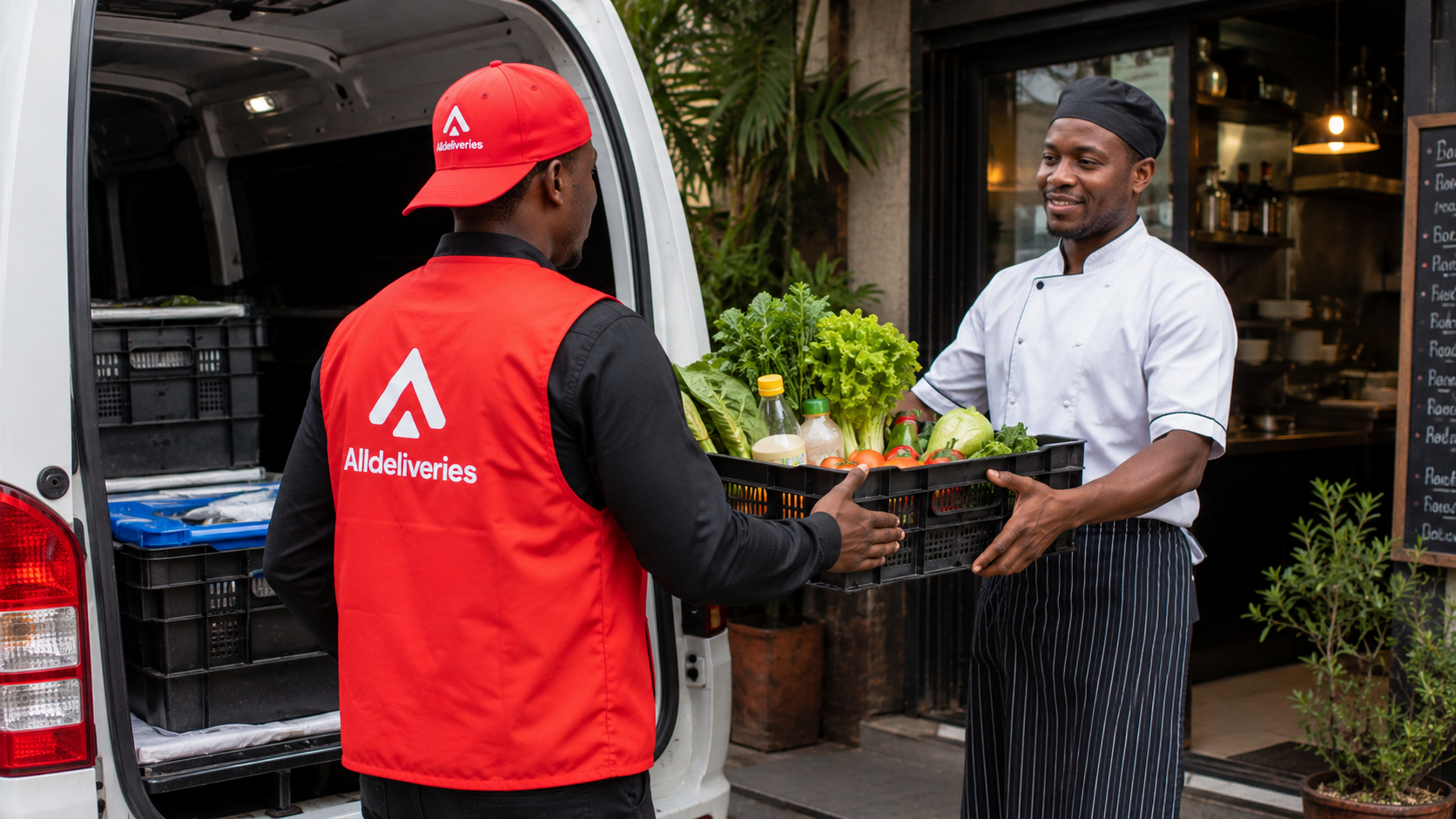
Unlike many other products, food can be affected by time, temperature, moisture, spills, and handling during transportation. Poor delivery practices can result in damaged packaging, cold meals, leaking containers, or an unpleasant customer experience.
For food vendors in Nigeria, having a well-organised delivery process can help protect meals, reduce complaints, improve customer satisfaction, and encourage repeat orders.
Services You May Like
Here are practical delivery tips that can help food vendors improve their delivery process.
1. Use Suitable Food Packaging
Choose packaging that is appropriate for the type of food being delivered.
Consider:
- Type of food.
- Temperature.
- Portion size.
- Moisture content.
- Possibility of spills.
- Expected delivery time.
The packaging should be strong enough to protect the meal throughout transportation.
2. Use Leak-Resistant Containers
Soups, sauces, stews, and other liquid foods require containers that close securely.
Make sure containers:
- Have properly fitting lids.
- Are suitable for the food being packed.
- Are securely closed before dispatch.
- Are placed upright where necessary.
For meals with multiple liquid components, consider separating them to reduce the risk of spills.
3. Keep Hot and Cold Foods Appropriate for Delivery
Food should be handled in a way that supports safe temperatures during the delivery process.
Hot foods should be kept appropriately hot, while foods that require refrigeration should remain appropriately chilled.
The suitable method depends on the food, delivery duration, packaging, and applicable food-safety requirements.
4. Separate Different Types of Food
Avoid packing foods together when doing so could affect their quality.
For example, separate items when necessary to prevent:
- Sauces from soaking dry foods.
- Hot foods from affecting cold items.
- Drinks from spilling onto meals.
- Crispy foods from becoming unnecessarily soft.
Separation can help maintain the quality and presentation of the order.
5. Protect Meals From Spills
A spilled meal can create a poor customer experience and may result in the customer receiving less food than expected.
Before dispatch, check that:
- Containers are properly closed.
- Cups are securely covered.
- Bags are properly sealed.
- Items are positioned correctly.
- Liquid products have suitable protection.
Place containers upright where appropriate during transportation.
6. Use Suitable Delivery Bags
Food delivery bags can help protect meals during transportation.
Depending on the food and delivery requirements, suitable insulated bags or other appropriate carriers may help maintain the desired temperature and protect packages from external conditions.
Choose a delivery bag that can accommodate the order without crushing the food containers.
7. Avoid Overpacking
Do not force too many food containers into one delivery bag.
Overpacking can:
- Crush containers.
- Cause spills.
- Make the package difficult to handle.
- Affect the presentation of the food.
Use additional bags or packages when necessary.
8. Label Orders Clearly
Clear labelling can help prevent orders from being mixed up.
Where appropriate, include:
- Customer's name.
- Order number.
- Relevant food details.
- Delivery information.
For multiple orders, proper labelling can help the vendor and delivery provider identify each package correctly.
9. Double-Check Every Order
Before an order leaves the business, confirm that everything the customer requested is included.
Check:
- Main meal.
- Side dishes.
- Drinks.
- Sauces.
- Cutlery where requested.
- Special instructions.
- Quantity.
A final check can prevent missing items and unnecessary complaints.
10. Verify the Customer's Address
Incorrect delivery information can result in delays and failed deliveries.
Confirm:
- Customer's full name.
- Phone number.
- House or building number.
- Street.
- Area.
- City.
- State.
- Useful landmarks or directions.
For difficult-to-locate destinations, additional directions may be helpful.
11. Confirm the Customer's Phone Number
The delivery provider may need to contact the customer when approaching the destination.
Make sure the phone number provided is complete and accurate.
If there is a problem with the address or delivery location, having a working contact number can make resolution easier.
12. Give Realistic Delivery Estimates
Food customers often plan their meals around the expected delivery time.
Provide a realistic estimate based on:
- Food preparation time.
- Customer location.
- Distance.
- Traffic conditions.
- Delivery provider.
- Current order volume.
Avoid promising extremely short delivery times when they cannot be consistently achieved.
13. Prepare Food Close to Dispatch
For many types of meals, timing matters.
Where practical, coordinate food preparation and dispatch so that meals do not remain packaged for unnecessarily long periods before collection.
This can help maintain the intended quality of the food during delivery.
14. Choose a Reliable Delivery Partner
The delivery provider can have a major effect on the customer's experience.
When choosing a delivery partner, consider:
- Reliability.
- Delivery coverage.
- Speed.
- Food-handling practices.
- Tracking.
- Customer support.
- Pricing.
The provider should be suitable for the type of food and delivery distances your business handles.
15. Keep Customers Updated
Communication can make the delivery experience easier for customers.
Provide updates when appropriate, such as:
- Order confirmation.
- Food preparation.
- Dispatch.
- Pickup.
- Delivery progress.
- Arrival.
Customers are generally more comfortable when they know what is happening with their orders.
16. Communicate Delays Quickly
Food orders can sometimes be delayed by high demand, traffic, equipment issues, or other unexpected circumstances.
If a significant delay occurs, inform the customer as soon as reasonably possible.
Provide a revised expectation where available instead of leaving the customer without information.
17. Consider the Delivery Distance
The longer a food order travels, the more important packaging, timing, and transportation conditions become.
Before accepting an order, consider whether the delivery distance is practical for the food being sold.
Some meals may require shorter delivery times or additional temperature protection.
18. Keep Drinks Secure
Drinks can easily spill during transportation if they are not properly sealed.
Use suitable cups, lids, seals, or containers depending on the beverage.
Keep drinks upright and separate them from foods where necessary to reduce the risk of spills.
19. Maintain Clean Delivery Packaging
Food packaging should be clean and suitable for contact with the food where applicable.
Delivery bags and reusable carriers should also be maintained appropriately according to their intended use.
Clean and organised packaging contributes to customer confidence.
20. Ask Customers for Feedback
Customer feedback can help food vendors identify delivery problems.
Ask customers about:
- Delivery speed.
- Food temperature.
- Packaging.
- Missing items.
- Spills.
- Overall experience.
Use repeated feedback to improve the delivery process.
Common Delivery Mistakes Food Vendors Should Avoid
Avoid:
- Using containers that leak easily.
- Packing hot and cold foods together unnecessarily.
- Failing to secure drink containers.
- Sending incomplete orders.
- Using unsuitable delivery bags.
- Providing incorrect addresses.
- Giving unrealistic delivery estimates.
- Leaving customers uninformed about significant delays.
- Overloading delivery bags.
- Ignoring repeated delivery complaints.
These mistakes can affect both food quality and customer satisfaction.
Benefits of a Good Food Delivery Process
Better Customer Satisfaction
Customers are more likely to appreciate meals that arrive safely, properly packaged, and within the expected timeframe.
Fewer Complaints
Accurate orders and secure packaging can reduce common delivery problems.
Better Food Presentation
Proper packaging can help meals arrive in a neat and appealing condition.
More Repeat Orders
A positive food delivery experience can encourage customers to order again.
Stronger Business Reputation
Consistent service can help food vendors build a reputation for reliability and professionalism.
Final Thoughts
Food delivery requires careful planning because meals can be affected by time, temperature, moisture, spills, and handling. A good delivery process should therefore begin before the food leaves the kitchen.
Food vendors in Nigeria can improve delivery by choosing suitable containers, securing liquids, separating different foods where necessary, checking orders carefully, verifying customer information, and using appropriate delivery bags.
It is also important to choose reliable delivery partners and communicate clearly with customers when delays occur.
A well-organised delivery process can help food arrive in a better condition, reduce avoidable complaints, and create a more satisfying experience for customers.
When food vendors consistently deliver quality meals with reliable service, they can build stronger customer relationships and encourage more repeat orders.
Comments
No comments yet. Be the first to comment.