Delivery is an important part of running a fashion business, especially for businesses that sell clothing, shoes, bags, accessories, and other fashion products online. A customer may love a product when they see it online, but the experience continues until the order arrives safely and in good condition.
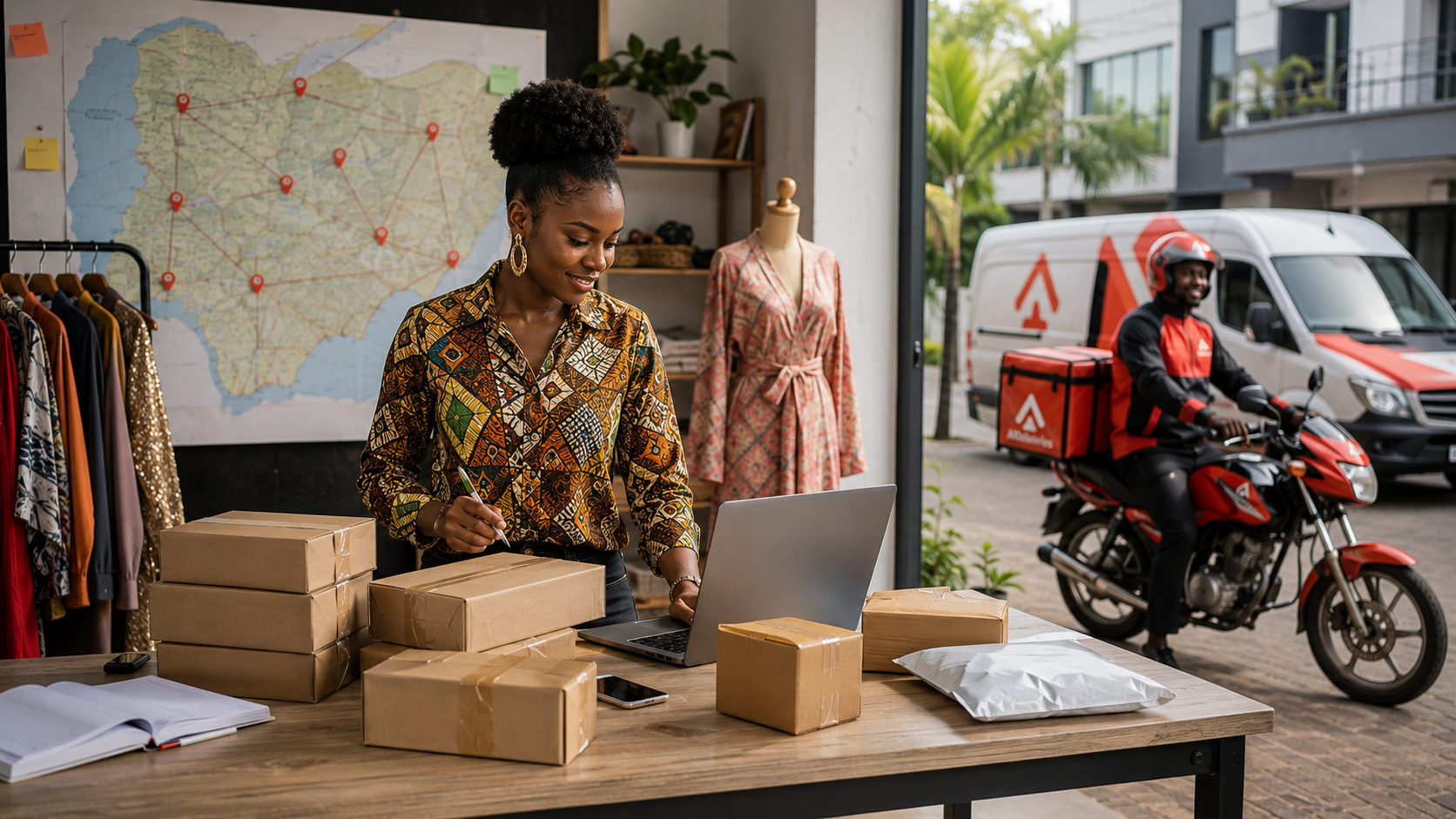
Fashion products can be affected by moisture, dirt, poor packaging, incorrect sizing, or careless handling during transportation. A poor delivery experience can lead to complaints, returns, and customers choosing not to order again.
For fashion businesses in Nigeria, having a simple and reliable delivery process can make it easier to fulfil orders, satisfy customers, and build a strong reputation.
Services You May Like
Here are practical delivery tips that can help fashion businesses improve their order fulfilment process.
1. Use Suitable Packaging for Fashion Items
Fashion products should be protected from dirt, moisture, and unnecessary damage during transportation.
Depending on the product, suitable packaging may include:
- Poly mailers.
- Paper packaging.
- Protective bags.
- Cardboard boxes.
- Padded packaging for selected accessories.
Choose packaging based on the product's size, material, value, and delivery requirements.
2. Protect Clothing From Moisture
Clothing can be affected by rain, spills, humidity, and other sources of moisture during delivery.
Place clothing in suitable protective packaging before putting it into the outer delivery package.
This can help keep the items clean and dry while they are being transported.
3. Fold Clothing Properly
Clothing should be folded neatly before packaging.
Proper folding can:
- Reduce unnecessary creasing.
- Save space.
- Keep the package organised.
- Create a better presentation when the customer opens it.
For garments that require special handling, follow the appropriate care and packaging requirements.
4. Check the Correct Size and Colour
Fashion orders often have different sizes, colours, styles, and variations.
Before dispatching an order, confirm that the package contains the exact product selected by the customer.
Check:
- Product type.
- Size.
- Colour.
- Quantity.
- Style or variation.
This simple check can prevent avoidable returns and complaints.
5. Protect Shoes From Crushing
Shoes can lose their shape if they are packed without adequate protection.
Where appropriate, use shoe boxes or other suitable packaging to help maintain their shape during delivery.
For valuable or delicate footwear, additional outer protection may be useful.
6. Protect Bags and Accessories
Bags, belts, jewellery, sunglasses, watches, and other accessories may require different types of protection.
For example, delicate accessories may need individual wrapping or protective pouches to reduce scratches and contact with other items.
Keep small accessories organised so they do not get lost inside larger packages.
7. Use the Right Package Size
Avoid using packaging that is much larger than the order.
Excess space can allow products to move around during transportation, while packaging that is too small can compress or damage items.
Choose a package that fits the order comfortably while leaving enough room for appropriate protection.
8. Verify the Customer's Delivery Address
Fashion businesses should confirm customer delivery information before dispatch.
Check:
- Customer's full name.
- Phone number.
- House or building number.
- Street.
- Area.
- City.
- State.
- Useful landmarks or directions.
Accurate information can reduce failed deliveries and unnecessary delays.
9. Confirm the Customer's Phone Number
A valid phone number can help the delivery provider contact the recipient when necessary.
Before dispatch, check that the number provided by the customer is complete and accurate.
Where appropriate, businesses can also confirm the customer's preferred contact method.
10. Provide Clear Delivery Estimates
Customers want to know when their fashion orders are likely to arrive.
Provide a realistic delivery timeframe based on the customer's location, order processing time, and selected delivery service.
Avoid making promises that your business cannot consistently meet.
11. Communicate Order Updates
Keep customers informed about their orders throughout the delivery process.
Useful updates may include:
- Order confirmation.
- Order preparation.
- Dispatch.
- Pickup.
- Transit.
- Out for delivery.
- Successful delivery.
Clear communication can make customers feel more confident while waiting for their orders.
12. Provide Tracking Information Where Available
If the delivery service provides tracking, share the relevant information with the customer.
Tracking can help customers monitor the progress of their orders and reduce the need to repeatedly contact the business for updates.
13. Choose a Reliable Delivery Partner
The delivery provider can have a significant effect on the customer's experience.
Consider factors such as:
- Reliability.
- Delivery coverage.
- Speed.
- Tracking.
- Customer support.
- Package handling.
- Pricing.
Choose a delivery service that can meet the needs of your fashion business and your customers.
14. Keep Delivery Charges Transparent
Tell customers how much delivery will cost before they complete their orders.
Delivery charges may vary according to:
- Location.
- Package size.
- Delivery option.
- Distance.
- Service provider.
Clear pricing can help prevent disagreements after an order has been placed.
15. Keep Fashion Products Presentable
The customer should receive the product in a condition that reflects the quality of the business.
Before dispatch, check that clothing and accessories are:
- Clean.
- Properly folded or arranged.
- Free from avoidable marks.
- Properly packaged.
- Correctly matched to the order.
Presentation can influence the customer's first impression when opening the package.
16. Include Important Order Details
For fashion businesses, it can be useful to include information such as:
- Product details.
- Size or variation.
- Care instructions where appropriate.
- Return or exchange information.
- Customer service contact details.
Keep any included information clear and easy for the customer to understand.
17. Prepare for Returns and Exchanges
Fashion customers may sometimes need to return or exchange products because of size, fit, colour preference, or other valid reasons.
Have a clear process for handling eligible returns and exchanges.
Explain:
- What items can be returned.
- The timeframe for returns.
- The condition required.
- Who handles the return delivery.
- How replacements or refunds are managed.
A clear process can make customers more comfortable when ordering online.
18. Handle Failed Deliveries Quickly
A delivery may fail because the customer is unavailable, the address is incomplete, or the delivery provider cannot locate the destination.
When this happens, communicate with the customer and determine the appropriate next step.
Prompt action can help prevent the order from remaining undelivered for too long.
19. Keep Records of Deliveries
Maintain useful delivery records for your orders.
These may include:
- Order details.
- Customer information.
- Delivery address.
- Tracking number.
- Dispatch date.
- Delivery status.
- Return or exchange information.
Good records can help when investigating delivery problems or customer complaints.
20. Ask Customers for Feedback
Customer feedback can help fashion businesses identify areas that need improvement.
Ask customers about:
- Delivery speed.
- Packaging.
- Product condition.
- Communication.
- Overall delivery experience.
Pay attention to repeated complaints or suggestions and use them to improve the delivery process.
Common Delivery Mistakes Fashion Businesses Should Avoid
Avoid:
- Sending the wrong size or colour.
- Using packaging that does not protect clothing from moisture.
- Failing to verify delivery addresses.
- Giving unrealistic delivery estimates.
- Using unreliable delivery providers.
- Sending poorly packaged shoes or accessories.
- Failing to communicate delays.
- Charging unexpected delivery fees.
- Ignoring return or exchange requests.
- Failing to check products before dispatch.
These mistakes can affect customer satisfaction and increase unnecessary delivery costs.
Benefits of a Good Delivery Process for Fashion Businesses
Better Customer Satisfaction
Customers are more likely to be satisfied when their fashion orders arrive safely, correctly, and within the expected timeframe.
Fewer Returns and Complaints
Accurate order checks and proper packaging can reduce avoidable problems.
Stronger Customer Trust
Consistent delivery can make customers more confident in ordering from the business again.
More Repeat Purchases
A positive buying and delivery experience can encourage customers to return.
Stronger Business Reputation
Reliable fulfilment can help a fashion business develop a professional reputation among its customers.
Final Thoughts
For fashion businesses, delivery is an important part of the customer experience. Clothing, shoes, bags, and accessories should arrive clean, secure, correctly packaged, and in the condition customers expect.
Businesses can improve their delivery process by using suitable packaging, protecting products from moisture, checking sizes and colours before dispatch, verifying customer information, providing realistic delivery estimates, and communicating throughout the delivery process.
Choosing a reliable delivery partner is also important. A good delivery service can help businesses reach customers more efficiently while reducing some of the challenges involved in transporting orders.
When fashion businesses treat delivery as an important part of their service, they can create better customer experiences, reduce avoidable problems, and give customers more reasons to order again.
Comments
No comments yet. Be the first to comment.