In today's competitive business environment, customers expect their orders to arrive quickly, safely, and exactly as promised. Whether you operate an Instagram store, an e-commerce website, a physical retail shop, or a home-based business, understanding how to improve your delivery process can help you stand out from competitors.
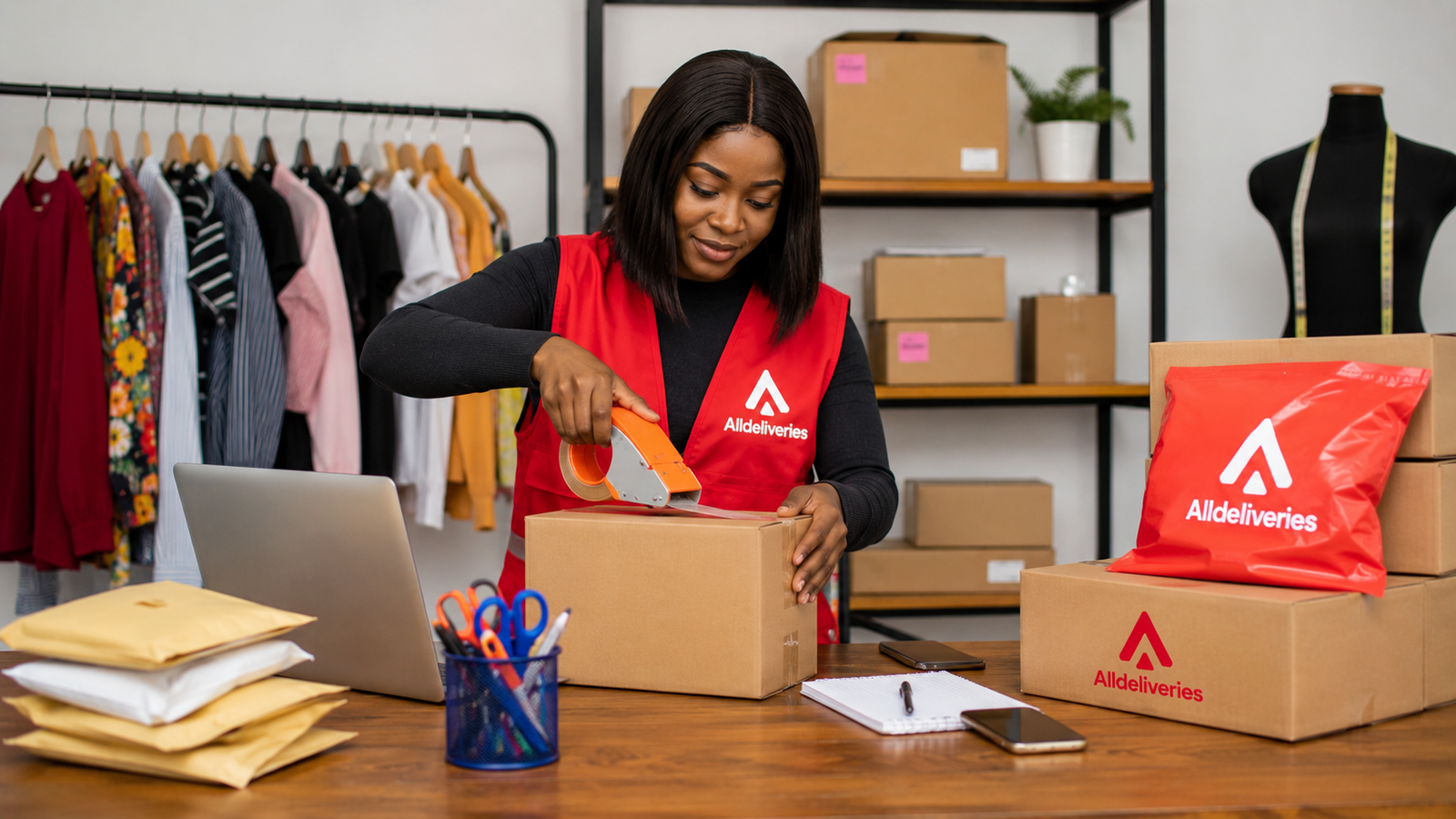
Here are some essential delivery tips every small business owner should know.
Services You May Like
Choose a Reliable Delivery Partner
One of the most important decisions a business owner can make is selecting the right logistics partner.
A reliable courier service can improve delivery speed, reduce customer complaints, and help build trust with customers. Before choosing a delivery provider, evaluate their reputation, delivery coverage, response time, customer support, and track record.
Remember that your delivery partner often becomes an extension of your brand in the eyes of customers.
Package Products Properly
Poor packaging is one of the leading causes of damaged deliveries.
Products should be packed securely using appropriate materials to protect them during transportation. Fragile items require additional cushioning, while liquids and sensitive products should be sealed properly to prevent leaks or damage.
Professional packaging not only protects products but also creates a positive impression when customers receive their orders.
Verify Customer Information
Incorrect addresses and phone numbers are among the most common causes of failed deliveries.
Before dispatching any order, confirm the customer's full address, phone number, and delivery instructions. Taking a few extra minutes to verify information can save hours of delays and unnecessary expenses.
Accurate customer details help ensure smooth and successful deliveries.
Dispatch Orders Quickly
Customers appreciate businesses that process orders promptly.
The shorter the time between receiving payment and dispatching an order, the better the customer experience. Delays during order processing often create frustration, even if the actual delivery is completed on time.
Develop a system that allows orders to be packaged and dispatched as efficiently as possible.
Communicate with Customers
Clear communication is essential throughout the delivery process.
Customers should receive updates when their orders are confirmed, dispatched, and delivered. Proactive communication helps manage expectations and reduces anxiety about order status.
If delays occur, informing customers early can prevent complaints and preserve trust.
Offer Multiple Delivery Options
Different customers have different delivery needs.
Some customers may prioritize speed, while others may prefer lower delivery costs. Offering multiple delivery options such as same-day delivery, next-day delivery, and standard delivery gives customers greater flexibility.
Providing choices can improve customer satisfaction and increase conversion rates.
Keep Popular Products in Stock
Inventory management directly affects delivery performance.
Running out of stock after accepting customer payments can create unnecessary delays and damage customer confidence. Monitoring inventory levels and maintaining sufficient stock of popular products helps ensure faster order fulfillment.
Businesses that consistently manage inventory effectively are better positioned to deliver orders promptly.
Track Delivery Performance
Successful businesses regularly monitor delivery performance.
Important metrics include delivery times, successful delivery rates, customer complaints, failed deliveries, and return rates. Reviewing this information helps identify areas for improvement and optimize logistics operations.
Data-driven decisions can significantly improve delivery efficiency over time.
Prepare for Busy Periods
Sales promotions, festive seasons, holidays, and special events often generate higher order volumes.
Businesses that plan ahead for peak periods are better able to maintain delivery standards. This may involve increasing inventory, scheduling additional dispatch pickups, or coordinating closely with logistics partners.
Preparation helps prevent delays when customer demand increases.
Build Strong Customer Trust
Fast delivery is important, but reliability is equally valuable.
Customers are more likely to return when businesses consistently deliver products on time and as promised. Every successful delivery strengthens customer confidence and encourages repeat purchases.
Building trust through dependable service is one of the most effective ways to grow a small business.
Reduce Failed Deliveries
Failed deliveries can be costly and frustrating for both businesses and customers.
Confirm delivery details, communicate clearly with customers, and provide tracking updates whenever possible. Encouraging customers to be available during delivery windows can also improve delivery success rates.
Minimizing failed deliveries helps save time, reduce costs, and improve customer satisfaction.
Invest in Customer Experience
Delivery is often the final stage of the customer's journey.
A smooth delivery experience leaves a lasting positive impression and increases the likelihood of referrals and repeat business. Professional packaging, prompt communication, and reliable logistics all contribute to a better customer experience.
Businesses that prioritize delivery excellence often gain a significant competitive advantage.
Conclusion
For small business owners, delivery is more than simply moving products from one location to another. It is a critical part of customer service, brand reputation, and long-term business success.
By choosing reliable logistics partners, improving order processing, communicating effectively, and focusing on customer satisfaction, businesses can create a delivery experience that encourages loyalty and drives growth.
In today's fast-moving marketplace, mastering delivery operations can be one of the smartest investments a small business owner can make.
Comments
No comments yet. Be the first to comment.