Delivery is an essential part of running an online business in Nigeria. Whether a business sells fashion items, food, cosmetics, electronics, or household products, getting orders to customers safely and on time can have a major effect on customer satisfaction.
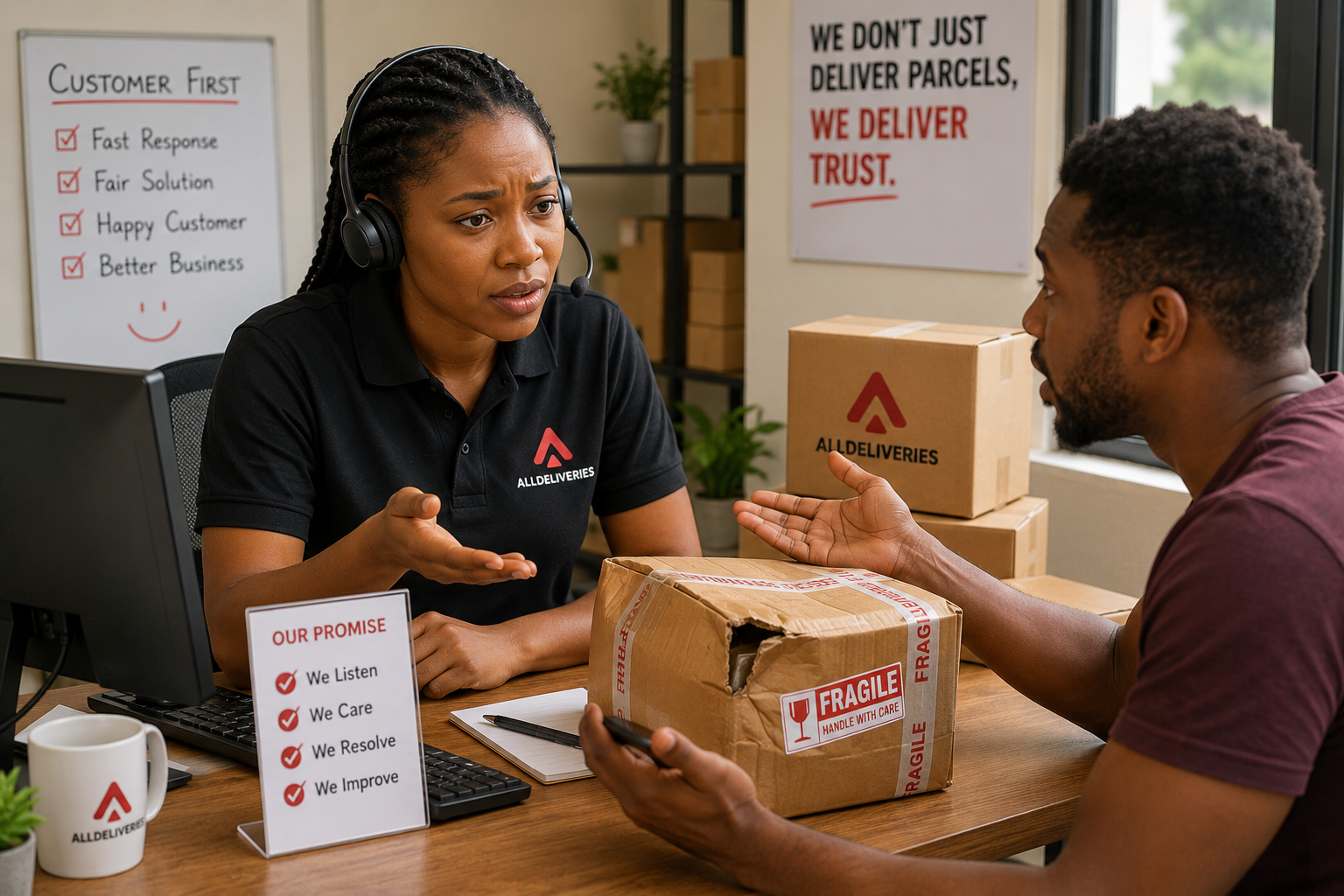
However, delivery in Nigeria can come with several challenges. Traffic congestion, difficult-to-locate addresses, weather conditions, failed delivery attempts, rising transportation costs, and communication problems can all affect the delivery process.
These challenges can be frustrating for both businesses and customers, but many of them can be managed with proper planning, accurate information, reliable delivery partners, and good communication.
Services You May Like
1. Traffic Congestion
Traffic is one of the major challenges that can affect delivery times, particularly in busy urban areas.
A delivery that should take a short time can take considerably longer when roads are congested. This can make it difficult for businesses to provide accurate delivery estimates.
To reduce the effect of traffic:
- Plan delivery routes carefully.
- Consider expected traffic conditions.
- Give customers realistic delivery timeframes.
- Avoid making unrealistic same-day delivery promises.
- Keep customers informed when significant delays occur.
Good planning can help delivery personnel make better decisions about when and how to complete their routes.
2. Difficult-to-Locate Addresses
Some Nigerian addresses can be difficult for delivery personnel to locate, especially in areas with limited street numbering or informal addressing systems.
Customers may provide an address that is technically correct but still difficult to find.
Businesses can reduce this problem by collecting:
- Complete delivery addresses.
- Customer phone numbers.
- Area or neighbourhood names.
- Nearby landmarks.
- Estate or building names where applicable.
- Clear directions.
Asking customers for useful landmarks can make it easier for delivery personnel to locate the destination.
3. Failed Delivery Attempts
A delivery may fail because the customer is unavailable, the address is incorrect, the phone number cannot be reached, or the delivery location cannot be identified.
Failed deliveries increase transportation costs and can delay customers.
To reduce failed delivery attempts:
- Confirm customer details before dispatch.
- Contact customers when appropriate before delivery.
- Encourage customers to remain available around the expected delivery period.
- Confirm difficult addresses in advance.
- Have a clear process for rescheduling failed deliveries.
These steps can reduce unnecessary repeat trips.
4. Rising Delivery Costs
Transportation costs can make delivery expensive for both businesses and customers.
Factors such as distance, fuel costs, package size, delivery location, and the type of delivery service can affect the final cost.
Businesses can manage delivery expenses by:
- Comparing delivery providers.
- Grouping nearby deliveries where practical.
- Optimising delivery routes.
- Clearly communicating delivery charges.
- Offering different delivery options where possible.
Businesses should avoid hiding delivery charges until the final stage of an order because unexpected costs can discourage customers from completing purchases.
5. Poor Weather Conditions
Heavy rain and other difficult weather conditions can affect delivery operations.
Rain may slow traffic, make roads difficult to navigate, and increase the risk of packages becoming wet or damaged.
Businesses can prepare by:
- Using appropriate waterproof or moisture-resistant packaging.
- Monitoring weather conditions.
- Allowing additional delivery time when necessary.
- Communicating significant delays to customers.
- Protecting sensitive products during transportation.
Good preparation can reduce the impact of weather-related disruptions.
6. Poor Packaging
A delivery problem does not always begin with the courier. Sometimes the product is inadequately packaged before it leaves the business.
Weak packaging can lead to:
- Broken products.
- Leaking items.
- Scratches.
- Crushed packages.
- Missing components.
Businesses should select packaging based on the type of product being shipped.
Fragile, liquid, electronic, and heavy products may require different forms of protection.
7. Delays in Order Processing
Delivery delays can occur before a package even reaches the courier.
If a business takes too long to prepare an order, the delivery process automatically becomes longer.
Businesses can improve order processing by:
- Organising inventory properly.
- Confirming orders quickly.
- Preparing frequently ordered products efficiently.
- Checking products before packaging.
- Having a clear dispatch process.
Faster order preparation can help improve the overall delivery timeline.
8. Communication Problems
Poor communication can create unnecessary frustration.
Customers may not know whether their order has been processed, dispatched, delayed, or delivered.
Businesses can improve communication by providing relevant updates such as:
- Order confirmation.
- Processing status.
- Dispatch notification.
- Delivery timeframe.
- Delay notification.
- Delivery confirmation.
If a problem occurs, communicate with the customer rather than leaving them to repeatedly ask for updates.
9. Limited Tracking
Some customers become anxious when they have no way to know where their packages are.
Where available, businesses should use delivery services that provide shipment tracking.
Tracking allows customers and businesses to monitor the progress of an order and can make it easier to investigate delays.
For high-value or important shipments, tracking can be particularly useful.
10. Unreliable Delivery Partners
Choosing a delivery partner based only on price can create problems.
A provider may offer a low delivery fee but provide inconsistent service, poor communication, or inadequate package handling.
Before choosing a delivery partner, consider:
- Reliability.
- Delivery coverage.
- Customer support.
- Tracking.
- Delivery speed.
- Package-handling practices.
- Experience in the areas where you operate.
The right delivery partner should match the needs of the business and its customers.
11. Long-Distance Deliveries
Delivering products between distant cities or regions can present additional challenges.
Long-distance deliveries may involve more transportation time, multiple handling points, and greater exposure to delays.
Businesses should:
- Provide realistic delivery estimates.
- Use suitable packaging.
- Confirm the destination carefully.
- Choose an appropriate delivery service.
- Track important shipments.
- Keep customers informed.
Proper planning can make long-distance deliveries more predictable.
12. Damaged or Missing Packages
Packages can occasionally become damaged or go missing during transportation.
Businesses should reduce this risk by using secure packaging and reliable delivery services.
For valuable shipments, businesses may also consider appropriate tracking, recipient confirmation, or shipment protection where available.
It is also useful to keep records of dispatched orders, including relevant order details and package information.
13. Customer Availability
Customers may not always be available when a delivery person arrives.
This can be particularly challenging for people who work during the day or have unpredictable schedules.
Where possible, businesses can ask customers to provide a suitable delivery time or alternative instructions.
Clear communication between the customer, business, and delivery provider can reduce unsuccessful delivery attempts.
14. Poor Route Planning
Delivering orders without considering location can lead to unnecessary travel and delays.
Businesses handling several deliveries can improve efficiency by organising orders according to areas and delivery routes where practical.
Better route planning can help reduce:
- Travel time.
- Fuel expenses.
- Delivery delays.
- Unnecessary mileage.
This becomes increasingly important as the number of daily orders grows.
15. Incorrect Customer Information
Incorrect phone numbers, incomplete addresses, and wrong order details can create avoidable delivery problems.
Before dispatch, check:
- Customer's name.
- Phone number.
- Delivery address.
- Product details.
- Quantity.
- Special delivery instructions.
A short verification process can prevent significant problems later.
16. Managing Customer Expectations
One of the biggest delivery challenges is sometimes the difference between what customers expect and what a business can realistically provide.
Customers may expect immediate delivery, particularly when they see fast-delivery offers from other businesses.
Businesses should clearly explain:
- Processing times.
- Delivery areas.
- Delivery fees.
- Expected delivery periods.
- Available delivery options.
It is better to provide a realistic timeframe and meet it than to promise a faster delivery time that cannot consistently be achieved.
Common Delivery Mistakes Nigerian Businesses Should Avoid
Businesses should avoid:
- Providing incomplete delivery addresses to couriers.
- Making unrealistic delivery promises.
- Using poor-quality packaging.
- Choosing delivery partners based only on price.
- Failing to confirm customer information.
- Ignoring customer messages about delivery.
- Failing to communicate delays.
- Sending packages without appropriate tracking where needed.
- Not having a plan for failed deliveries.
- Hiding delivery charges from customers.
Avoiding these mistakes can make delivery operations more efficient and improve customer satisfaction.
Benefits of Improving Delivery Operations
Higher Customer Satisfaction
Customers are more likely to be satisfied when their orders arrive within the expected timeframe and in good condition.
Fewer Failed Deliveries
Accurate customer information and better communication can reduce unsuccessful delivery attempts.
Lower Delivery Costs
Efficient routes and better planning can reduce unnecessary transportation expenses.
More Repeat Customers
A reliable delivery experience can encourage customers to order from the business again.
Better Brand Reputation
Businesses that consistently communicate clearly and deliver orders reliably can build a stronger reputation.
Final Thoughts
Delivery challenges are a normal part of operating an online business in Nigeria, but many of them can be managed through proper preparation.
Businesses can reduce delivery problems by using suitable packaging, confirming customer information, choosing reliable delivery partners, planning routes efficiently, providing realistic delivery estimates, and communicating with customers throughout the delivery process.
No delivery system will be perfect every time. Traffic, weather, customer availability, and other unexpected circumstances can still cause delays. What matters is having a process for managing these situations professionally.
A reliable delivery system protects more than the package. It protects customer trust, reduces unnecessary business costs, and creates a better overall shopping experience.
Comments
No comments yet. Be the first to comment.