Sending or receiving a package should be a simple process, but small mistakes can sometimes lead to delays, failed delivery attempts, damaged items, or unexpected costs.
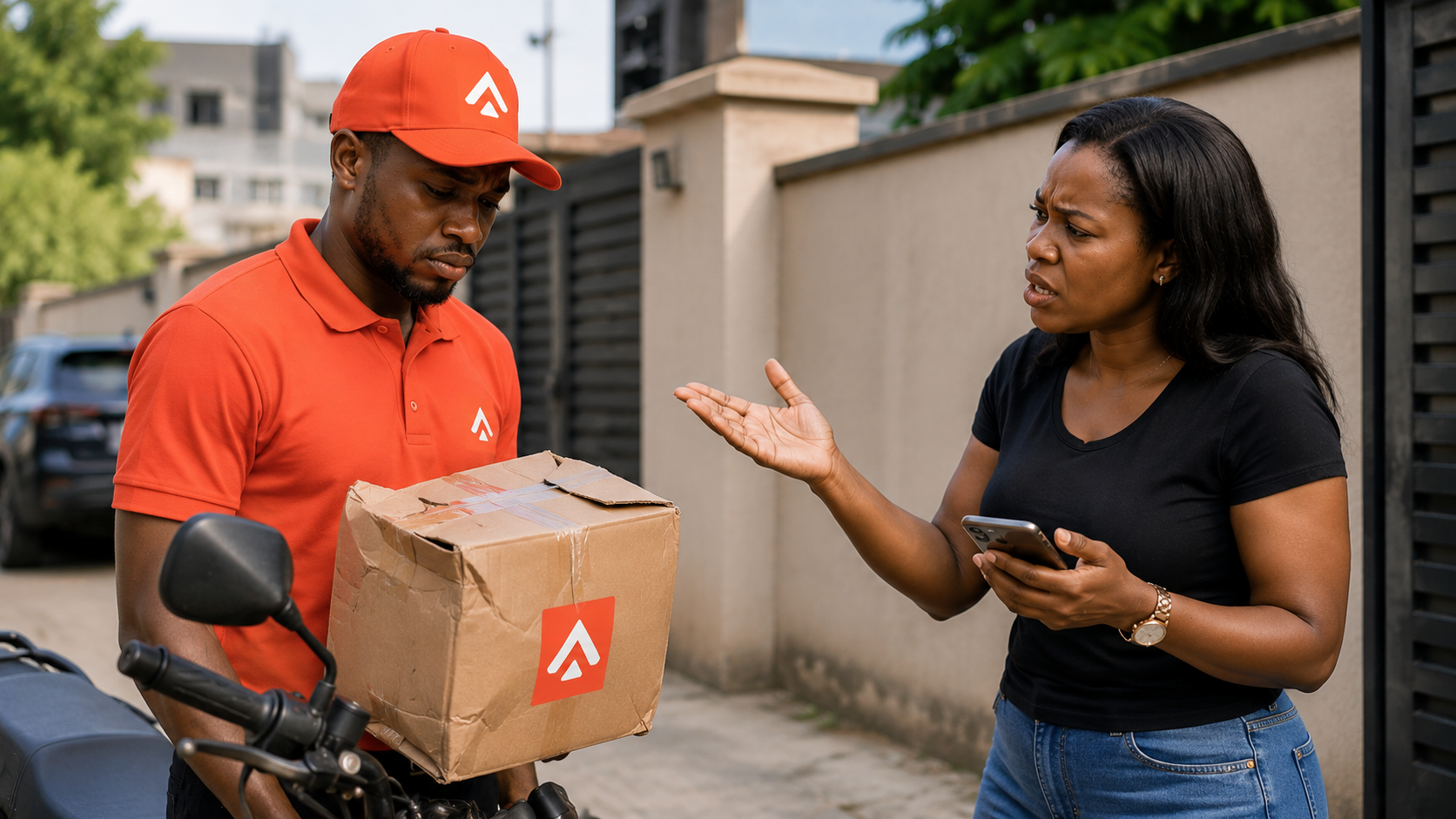
From providing an incorrect address to using unsuitable packaging, customers can unknowingly create problems that make deliveries more difficult for both the courier and the recipient.
For Nigerian customers, where some locations may have similar street names, difficult-to-find addresses, traffic delays, and changing contact information, providing accurate details is especially important.
Services You May Like
Understanding the most common delivery mistakes can help customers prepare their packages properly, communicate clearly with couriers, and improve the chances of a smooth and successful delivery.
1. Providing an Incorrect Delivery Address
One of the most common delivery mistakes is providing an incorrect or incomplete address.
A courier needs accurate information to locate the delivery destination. An incorrect house number, street name, area, city, or estate name can make it difficult to complete the delivery.
Customers should carefully check the address before confirming an order or delivery request.
2. Giving an Inactive Phone Number
A courier may need to contact the recipient before or during delivery.
Providing an incorrect, inactive, or unreachable phone number can prevent the courier from confirming directions, locating the recipient, or resolving an issue at the delivery location.
Customers should provide a working phone number and ensure that the recipient knows a delivery is expected.
3. Failing to Provide Clear Directions
Some addresses may be difficult to locate using the address alone.
This can happen in areas with similar street names, large estates, unfamiliar neighbourhoods, or locations that are not easily identified by standard mapping services.
Customers can make deliveries easier by providing:
- Nearby landmarks.
- Estate or building names.
- Gate or entrance details.
- Floor or apartment numbers where applicable.
- Useful directions from a recognisable location.
Clear directions can save time and reduce unnecessary calls between the courier and recipient.
4. Using Poor Packaging
Improper packaging can increase the risk of damage during transportation.
Items may be moved between different locations and handled several times before reaching the recipient. Fragile products therefore need suitable protection.
Customers should choose packaging materials that are appropriate for the item and ensure that the package is securely sealed before handing it to the courier.
5. Failing to Protect Fragile Items
Fragile items require additional care during delivery.
Glassware, electronics, ceramics, bottles, and other delicate products can be damaged if they are not properly protected against movement or impact.
Where necessary, customers should use suitable cushioning and clearly communicate any relevant handling requirements to the delivery company.
6. Not Checking the Package Before Sending It
Customers sometimes hand over a package without checking its contents or delivery details.
This can result in the wrong item being sent, missing accessories, incorrect quantities, or incomplete orders.
Before handing over a package, customers should confirm:
- The correct item is inside.
- The quantity is correct.
- The package is properly sealed.
- The recipient's details are accurate.
- Any necessary documents are included.
A quick check before dispatch can prevent problems later.
7. Choosing the Wrong Delivery Service
Not every delivery needs the same level of speed or service.
Customers sometimes select a delivery option without considering how urgently the package needs to arrive, the distance involved, or the nature of the item.
For example, an urgent document may require a faster service, while a non-urgent package may be suitable for a standard delivery option.
Customers should consider their needs before selecting a delivery service.
8. Not Considering the Delivery Cost
Another common mistake is failing to understand how much a delivery will cost before confirming it.
Delivery charges can vary depending on factors such as distance, package size, delivery speed, destination, and the courier company's pricing structure.
Customers should confirm the applicable delivery fee and understand whether additional charges may apply before proceeding.
9. Assuming the Recipient Will Be Available
A customer may arrange a delivery without confirming whether the recipient will actually be available to receive the package.
If the recipient is at work, travelling, attending an appointment, or otherwise unavailable, the courier may be unable to complete the delivery.
Customers should communicate with the recipient in advance and, where permitted, arrange for an authorised person to receive the package.
10. Ignoring Calls From the Courier
Ignoring calls from an unfamiliar number can sometimes cause a delivery to fail.
The courier may be calling to confirm the address, request directions, announce their arrival, or resolve another issue related to the delivery.
Customers who are expecting a package should remain reachable and respond to reasonable delivery-related calls or messages.
11. Failing to Monitor Delivery Updates
Customers may receive tracking updates as their packages move through the delivery process.
Ignoring these updates can make it difficult to know when a package has been dispatched, when it is in transit, or when it is out for delivery.
Monitoring tracking information allows customers to prepare for the delivery and respond quickly if an issue occurs.
12. Providing Unclear Delivery Instructions
Instructions that are too brief or confusing can make a delivery more difficult.
For example, simply telling a courier to "come to my area" may not provide enough information to identify the exact destination.
Customers should provide specific and easy-to-understand instructions, particularly when the delivery location is difficult to find.
13. Sending Items Without Checking Courier Restrictions
Customers should not assume that every item can be sent through every delivery company.
Some courier services may have restrictions on certain goods because of safety, legal, operational, or company policy requirements.
Before sending an unusual, fragile, valuable, or restricted item, customers should check whether the courier accepts it and whether any special requirements apply.
14. Failing to Seal the Package Properly
A package that is poorly sealed can open during transportation.
This can result in missing contents, damaged goods, or difficulty identifying the package.
Customers should use appropriate packaging materials and securely close the package before handing it over to the courier.
15. Forgetting Important Delivery Details
Leaving out important information can create unnecessary delays.
Depending on the type of delivery, useful details may include:
- Recipient's full name.
- Active phone number.
- Complete delivery address.
- Apartment or office number.
- Estate or building name.
- Nearby landmark.
- Special delivery instructions.
Providing these details correctly can make it easier for the courier to complete the delivery.
16. Not Informing the Recipient About the Delivery
A recipient may not be prepared to receive a package if they do not know that one is coming.
They may be away from the delivery address, unable to answer the phone, or unsure whether the courier is legitimate.
Customers should inform the recipient about the expected delivery and, where possible, provide relevant information about when the package is likely to arrive.
17. Failing to Confirm the Recipient's Details
Sending a package using outdated recipient information can cause delivery problems.
Customers should confirm that the recipient's name, phone number, address, and other necessary details are still correct before dispatch.
This is particularly important when sending packages to someone who has recently moved, changed workplaces, or provided a new contact number.
18. Waiting Too Long to Resolve a Delivery Problem
Some customers notice that a package has been delayed or that a delivery attempt failed but wait several days before taking action.
Delaying communication can make it harder to resolve the problem quickly.
If a delivery issue occurs, customers should contact the courier company or sender as soon as possible to understand the situation and determine the next step.
Common Delivery Mistakes to Avoid
Customers should avoid:
- Providing an incomplete delivery address.
- Giving an incorrect or inactive phone number.
- Using unsuitable packaging.
- Failing to protect fragile items.
- Ignoring calls from the courier.
- Giving unclear directions.
- Choosing a delivery service without considering urgency.
- Failing to check delivery costs.
- Assuming the recipient will always be available.
- Ignoring tracking updates.
- Sending restricted items without checking the courier's policy.
- Failing to seal packages properly.
- Using outdated recipient information.
- Waiting too long before reporting a delivery problem.
Avoiding these mistakes can help reduce failed deliveries, unnecessary delays, additional costs, and damaged packages.
Benefits of Avoiding Common Delivery Mistakes
Faster Deliveries
Providing accurate information and clear directions can help couriers locate recipients more quickly and complete deliveries without unnecessary delays.
Fewer Failed Delivery Attempts
Ensuring that the recipient is available and reachable can reduce the likelihood of unsuccessful delivery attempts.
Better Package Protection
Proper packaging can help protect items from damage during transportation and handling.
Lower Risk of Additional Costs
Avoiding incorrect information, failed delivery attempts, and other preventable problems can help customers reduce the possibility of additional charges, depending on the courier's policy.
Better Customer Experience
Clear communication and proper preparation can make the delivery process easier for customers, recipients, businesses, and courier companies.
Final Thoughts
Many delivery problems are caused by simple mistakes that customers can avoid with better preparation and communication.
Providing the correct address, using an active phone number, packaging items properly, giving clear directions, and confirming that the recipient will be available can make a significant difference.
For customers in Nigeria, paying attention to delivery details is particularly useful when sending packages to unfamiliar locations or areas where addresses may be difficult to identify.
Businesses can also help reduce delivery mistakes by confirming customer information, providing tracking updates, and communicating clearly before an order is dispatched.
A successful delivery depends on cooperation between the sender, recipient, and courier. By avoiding common mistakes and providing accurate information from the beginning, customers can make the delivery process smoother, faster, and more reliable.
Comments
No comments yet. Be the first to comment.