Delivery is an important part of running a business, especially for businesses that sell products online or serve customers outside their immediate location. A good product can still leave a poor impression if it arrives late, damaged, at the wrong address, or with missing items.
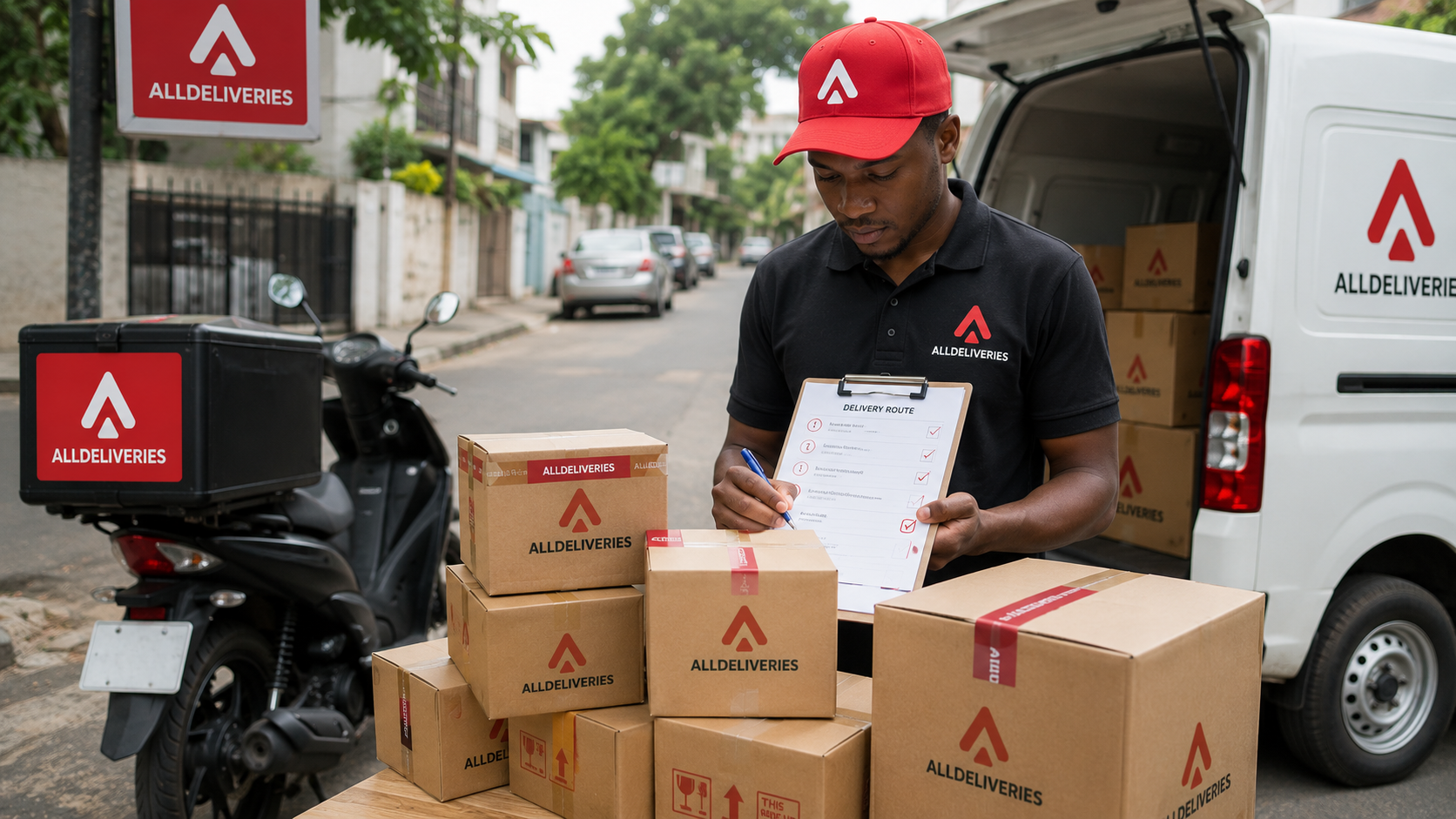
Many delivery problems are not caused by the courier alone. Businesses can also make mistakes when preparing orders, collecting customer information, packaging products, or communicating delivery details.
For businesses in Nigeria, paying attention to these areas can help reduce failed deliveries, customer complaints, additional costs, and delays.
Services You May Like
Understanding common delivery mistakes can help businesses improve their delivery process and provide customers with a more reliable experience.
1. Providing Incorrect Customer Information
One of the most common delivery mistakes businesses make is sending a package with incorrect customer details.
An incorrect phone number, name, house number, street name, or delivery area can make it difficult for the courier to complete the delivery.
Businesses should verify customer information before an order is dispatched and give the courier the most accurate details available.
2. Failing to Confirm the Delivery Address
Customers may provide incomplete or unclear addresses when placing orders.
If a business does not confirm the address before dispatching the package, the courier may struggle to locate the customer.
Businesses should review delivery addresses and contact customers when important information appears to be missing or unclear.
3. Using Poor Packaging
Poor packaging can result in damaged products during transportation.
Products may be handled several times before they reach the customer, so businesses should use packaging that provides suitable protection for the type of item being delivered.
The packaging should also be strong enough to remain secure throughout the delivery process.
4. Not Protecting Fragile Products
Fragile products require additional protection during transportation.
Businesses that send glass items, electronics, ceramics, bottles, or other delicate products without suitable cushioning increase the risk of damage.
Where necessary, businesses should use appropriate protective materials and communicate relevant handling requirements to the courier.
5. Sending the Wrong Product
Another common mistake is dispatching an incorrect item.
This can happen when orders are not checked properly before they leave the business. A customer may receive the wrong product, colour, size, quantity, or variation.
Businesses should compare the prepared package with the customer's order before handing it over for delivery.
6. Forgetting Items From an Order
An order may contain several products, but businesses can sometimes send only part of the order by mistake.
Missing items can lead to customer complaints, additional delivery arrangements, and increased costs.
Businesses should use an order checklist or another reliable verification process to confirm that all purchased items have been included.
7. Delaying Order Dispatch
Customers may expect their orders to be dispatched within a particular period after payment or confirmation.
Holding an order for too long without a valid reason can delay the entire delivery process and create frustration for the customer.
Businesses should have a clear process for preparing and handing over orders to the courier promptly.
8. Choosing an Unsuitable Delivery Service
Different orders may require different delivery options.
A business may choose a standard service for an urgent order or select an expensive express service when the customer does not require fast delivery.
Businesses should consider factors such as delivery location, urgency, package size, product type, and customer expectations when selecting a delivery service.
9. Failing to Communicate Delivery Expectations
Customers should have a reasonable understanding of when their orders are expected to arrive.
If a business does not communicate delivery timelines clearly, customers may become frustrated when an order takes longer than expected.
Businesses should provide realistic delivery information and communicate any significant changes or delays as soon as possible.
10. Not Informing Customers When Orders Are Dispatched
Customers may not know when their package has left the business unless they are informed.
Sending a dispatch notification can help customers prepare for delivery and recognise that the package is on its way.
Where tracking information is available, businesses can also provide it so customers can monitor the progress of their orders.
11. Failing to Prepare Customers for Delivery
A customer may place an order but be unavailable when the courier arrives.
This can result in a failed delivery attempt, particularly when the customer is at work, away from home, or unaware that the package is already out for delivery.
Businesses can reduce this problem by informing customers when their orders are on the way and reminding them to remain available.
12. Providing Unclear Delivery Instructions
Some delivery locations can be difficult for couriers to find.
Businesses can make things easier by collecting useful information from customers, such as landmarks, estate names, building numbers, apartment details, or other relevant directions.
Clear instructions can reduce the time spent trying to locate the delivery address.
13. Not Keeping Customer Contact Details Updated
Customer information can change over time.
A customer may move to a new address, change their phone number, or request delivery to a different location.
Businesses should confirm important delivery details whenever necessary, especially when an order is being sent to a new or previously unused address.
14. Ignoring Failed Delivery Attempts
A failed delivery attempt should not simply be left unresolved.
If a courier reports that a customer was unavailable or could not be reached, the business should communicate with the customer and determine the next appropriate step.
Quick action can help prevent unnecessary delays or the return of the package to the business.
15. Not Tracking Deliveries
Businesses that do not monitor their shipments may not know when an order has been delayed, held, or unsuccessfully delivered.
Tracking deliveries can help businesses identify problems and respond to customers more quickly.
It also gives the business better visibility over orders after they leave its possession.
16. Failing to Prepare for Delivery Delays
Traffic, weather, operational problems, incorrect addresses, and other circumstances can sometimes affect delivery times.
Businesses should avoid promising delivery times that they cannot reasonably guarantee.
When a delay occurs, communicating with the customer early can help manage expectations and reduce frustration.
17. Not Checking Courier Policies
Businesses should understand the policies of the delivery companies they use.
Different courier companies may have different requirements relating to package sizes, restricted items, delivery attempts, claims, returns, and additional charges.
Knowing these policies can help businesses avoid problems when preparing and sending orders.
18. Poor Communication With the Courier
A business's relationship with its courier can affect the delivery experience.
Failing to provide accurate information, respond to courier enquiries, or clarify delivery issues can make it harder to resolve problems.
Businesses should maintain clear communication with their delivery partners and provide any information required to complete shipments successfully.
Common Delivery Mistakes Businesses Should Avoid
Businesses should avoid:
- Providing incorrect customer information.
- Failing to confirm delivery addresses.
- Using unsuitable packaging materials.
- Sending fragile products without adequate protection.
- Dispatching the wrong products.
- Forgetting items from an order.
- Delaying order dispatch unnecessarily.
- Choosing an unsuitable delivery service.
- Giving customers unclear delivery expectations.
- Failing to notify customers when orders are dispatched.
- Not providing useful delivery instructions.
- Using outdated customer contact details.
- Ignoring failed delivery attempts.
- Failing to monitor shipments.
- Making unrealistic delivery promises.
- Ignoring courier policies.
- Communicating poorly with delivery partners.
Avoiding these mistakes can help businesses reduce delivery problems and provide customers with a more consistent service.
Benefits of Avoiding Common Delivery Mistakes
Fewer Customer Complaints
Accurate orders, proper packaging, and reliable communication can reduce the problems that commonly result in customer complaints.
Reduced Delivery Delays
Preparing orders correctly and providing accurate customer information can help couriers complete deliveries more efficiently.
Lower Operational Costs
Avoiding wrong deliveries, repeated delivery attempts, damaged products, and unnecessary returns can help businesses reduce avoidable expenses.
Better Customer Trust
Customers are more likely to trust a business when their orders consistently arrive correctly and within the expected delivery period.
Improved Business Reputation
A reliable delivery process can contribute to positive customer experiences, repeat purchases, and a stronger reputation for the business.
Final Thoughts
Delivery mistakes can affect more than just the movement of a package. They can lead to customer complaints, additional costs, damaged products, failed deliveries, and loss of trust.
Businesses can prevent many of these problems by checking customer information, confirming addresses, packaging products properly, verifying orders, monitoring shipments, and communicating clearly with both customers and couriers.
For Nigerian businesses, having a reliable delivery process is particularly important as customers increasingly expect convenient and dependable delivery services across different locations.
Businesses should therefore treat delivery as an important part of the customer experience rather than simply the final step after a sale.
By identifying common mistakes and improving the processes used to prevent them, businesses can make deliveries more efficient, reduce avoidable problems, and provide customers with a better overall experience.
Comments
No comments yet. Be the first to comment.