Choosing the right packaging material is an important part of preparing products for delivery. The packaging should protect the item from damage while also making it practical to transport and handle.
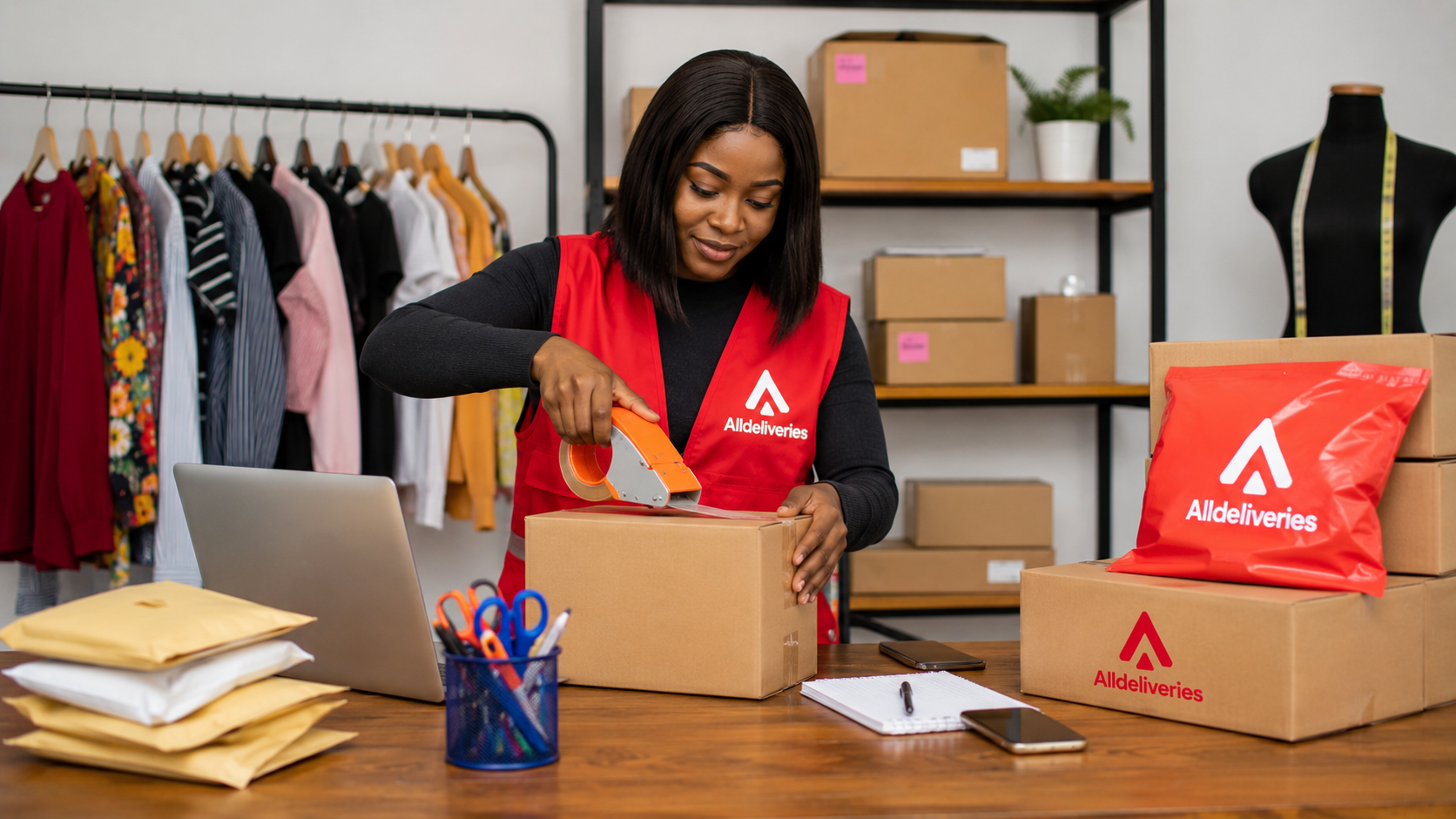
Different products have different packaging needs. A T-shirt may only require a protective mailer, while glassware may need several layers of cushioning and a strong outer box.
For businesses and individuals sending packages in Nigeria, selecting suitable packaging materials can help reduce product damage, protect items from dirt and moisture, and improve the customer's delivery experience.
Services You May Like
Here are some of the best packaging materials for different types of products.
1. Cardboard Boxes for General Products
Cardboard boxes are among the most commonly used packaging materials for delivery.
They are suitable for products such as:
- Household items.
- Books.
- Shoes.
- Accessories.
- Small appliances.
- Packaged goods.
Choose a box that is strong enough for the product and large enough to accommodate suitable protective material.
Avoid using boxes that are already badly damaged or weakened.
2. Bubble Wrap for Fragile Items
Bubble wrap can provide cushioning around delicate products.
It can be useful for:
- Glassware.
- Ceramics.
- Small electronics.
- Decorative items.
- Bottles.
- Other breakable products.
Wrap the item properly and use additional cushioning where necessary.
Bubble wrap should not be the only protection for very fragile products. The outer box and internal packaging should also be appropriate for the item.
3. Foam for Electronics and Delicate Products
Foam can provide cushioning and help reduce movement inside a package.
It can be useful for:
- Electronics.
- Appliances.
- Devices with sensitive components.
- Fragile equipment.
- Products with delicate surfaces.
The type and thickness of foam required will depend on the size, weight, and sensitivity of the product.
4. Poly Mailers for Clothing and Soft Items
Poly mailers are lightweight packaging bags that can be suitable for products that do not require rigid protection.
They can be useful for:
- T-shirts.
- Dresses.
- Trousers.
- Fashion accessories.
- Soft textiles.
- Other non-fragile items.
Where moisture protection is useful, a suitable mailer can provide an additional layer of protection during delivery.
5. Paper Packaging for Lightweight Products
Paper-based packaging can be useful for a range of lightweight products.
It can include:
- Kraft paper.
- Paper envelopes.
- Wrapping paper.
- Paper-based cushioning.
Paper can be used to wrap products, fill spaces inside boxes, or provide an additional protective layer.
For fragile or moisture-sensitive products, use paper together with other suitable packaging materials where necessary.
6. Corrugated Cardboard for Added Protection
Corrugated cardboard has a fluted internal layer that can provide more protection than a simple single-layer cardboard sheet.
It can be useful for:
- Electronics.
- Appliances.
- Glass items.
- Larger products.
- Products that require stronger outer packaging.
The strength of the cardboard should match the weight and handling requirements of the product.
7. Air Pillows for Filling Empty Spaces
Air pillows can be used to fill empty spaces inside some packages.
They can help prevent products from moving excessively during transportation.
They may be suitable for:
- Lightweight household products.
- Packaged goods.
- Non-fragile products.
- Some electronics when used appropriately.
They may not be suitable as the only protection for heavy or highly fragile products.
8. Packing Peanuts for Cushioning
Packing peanuts can be used to fill spaces around products inside boxes.
They may help reduce movement and provide cushioning.
They can be useful for certain fragile or irregularly shaped items, although the packaging should be selected based on the product's specific needs.
9. Stretch Film for Securing Items
Stretch film can help hold products or packaging together during transportation.
It may be useful for:
- Bundled items.
- Boxes.
- Larger packages.
- Products that need an additional outer layer.
Stretch film should not replace suitable internal cushioning or a strong primary package.
10. Zip Bags for Small Products
Resealable bags can be useful for keeping small items together and protecting them from dirt or moisture.
They can be suitable for:
- Accessories.
- Small parts.
- Jewellery.
- Cables.
- Small cosmetic items.
- Product components.
Small items should still be placed inside suitable outer packaging for delivery.
11. Bubble Mailers for Small and Delicate Items
Bubble mailers combine an outer mailing envelope with an internal cushioning layer.
They may be suitable for products such as:
- Small accessories.
- Certain electronic accessories.
- Small cosmetics.
- Documents with some protection requirements.
- Other lightweight items.
They are generally more suitable for items that do not require the rigid protection of a box.
12. Kraft Paper for Wrapping and Cushioning
Kraft paper can serve several packaging purposes.
It can be used to:
- Wrap products.
- Separate items.
- Fill empty spaces.
- Add an additional protective layer.
It is particularly useful when products need light cushioning or separation inside a box.
13. Padded Envelopes for Documents and Small Items
Padded envelopes can provide more protection than ordinary paper envelopes.
They may be useful for:
- Certain documents.
- Small accessories.
- Photographs.
- Lightweight items that need additional protection.
Important documents should be packaged securely and kept protected from moisture and bending where necessary.
14. Protective Sleeves for Screens and Surfaces
Some products have surfaces that can easily become scratched during transportation.
Protective sleeves or suitable surface coverings may help protect:
- Screens.
- Mirrors.
- Polished surfaces.
- Printed materials.
- Certain electronic devices.
The protective layer should be appropriate for the material being covered.
15. Corrugated Inserts for Bottles and Glassware
Bottles and glass products can benefit from internal separation.
Corrugated inserts can create individual compartments that reduce contact between items.
This can be useful for:
- Bottled products.
- Glass cups.
- Small jars.
- Other breakable containers.
The outer box should still provide adequate protection around the internal structure.
16. Stronger Boxes for Heavy Products
Heavy products require packaging that can support their weight without collapsing.
Suitable packaging may include stronger corrugated boxes or other appropriate rigid containers.
Before dispatch, check that:
- The bottom is securely sealed.
- The box can support the product.
- The contents cannot move excessively.
- The package is practical to handle.
For very heavy products, additional reinforcement may be necessary.
17. Moisture-Resistant Packaging for Sensitive Products
Some products can be affected by moisture during transportation.
Depending on the product, suitable protection may include:
- Plastic bags.
- Sealed inner packaging.
- Moisture-resistant mailers.
- Appropriate outer packaging.
Moisture protection is particularly useful for products that can be damaged by water or humidity.
How to Choose the Right Packaging Material
The best packaging material depends on several factors.
Consider:
Product Type
A fragile glass item needs different protection from a piece of clothing.
Product Size
Packaging should fit the product while leaving enough room for necessary cushioning.
Product Weight
Heavy products require stronger packaging than lightweight items.
Fragility
More delicate products generally require additional cushioning and protection.
Moisture Sensitivity
Products that can be damaged by moisture may require additional protective layers.
Delivery Conditions
Consider how the package will be transported, handled, and stored before choosing the appropriate materials.
Common Packaging Mistakes to Avoid
Avoid:
- Using packaging that is too weak for the product.
- Choosing a box that is much larger than necessary.
- Leaving excessive empty space.
- Using too little cushioning.
- Overfilling packages.
- Sending fragile products without internal protection.
- Using damaged boxes.
- Failing to protect products from moisture where necessary.
- Relying on fragile labels instead of proper packaging.
- Choosing packaging based only on appearance.
The main purpose of packaging is to protect the product throughout the delivery process.
Benefits of Choosing the Right Packaging Materials
Better Product Protection
Suitable packaging can reduce the risk of damage during transportation.
Fewer Returns and Replacements
Protecting products properly can reduce problems caused by damaged items.
Higher Customer Satisfaction
Customers are more likely to be satisfied when their orders arrive in good condition.
Lower Business Costs
Preventing damage can reduce expenses associated with refunds, replacements, and customer complaints.
More Professional Deliveries
Clean, secure, and appropriate packaging can create a positive impression of the business.
Final Thoughts
There is no single packaging material that is suitable for every product. The right choice depends on the item's size, weight, fragility, shape, value, and sensitivity to moisture or impact.
Cardboard boxes can work well for many general products, while bubble wrap, foam, corrugated inserts, padded envelopes, and protective mailers can provide additional protection for specific items.
Businesses in Nigeria should choose packaging based on the actual needs of their products rather than simply selecting the cheapest or most attractive option.
A well-packaged product has a better chance of reaching the customer safely and in good condition. By matching the packaging material to the product, businesses can reduce damage, improve customer satisfaction, and create a more reliable delivery experience.
Comments
No comments yet. Be the first to comment.